
Team of ENT Surgeons under Prof. Dr. Sriprakash Vinnakota provides advanced ENT, Head & Neck care at the following locations.

Team of ENT Surgeons under Prof. Dr. Sriprakash Vinnakota provides advanced ENT, Head & Neck care at the following locations.
Laser technology has transformed modern ENT surgery by allowing specialists to treat selected ear, nose, throat, voice, and airway conditions with greater precision.
At MicroCare ENT Hospital, Hyderabad, advanced laser technology is used for selected ENT procedures where precise tissue treatment, controlled bleeding, and minimally invasive techniques may provide clinical advantages.
Our experienced ENT specialists evaluate every patient individually and recommend laser treatment only when it is appropriate for the specific condition.
Happy Patients
Experience
Our Ratings
K.PH.B Colony | Nanakramguda
Doctors
MBBS, MS (ENT, Head & Neck)
Chief Consultant ENT Specialist
Microsurgeon, Rhinoplasty Surgeon
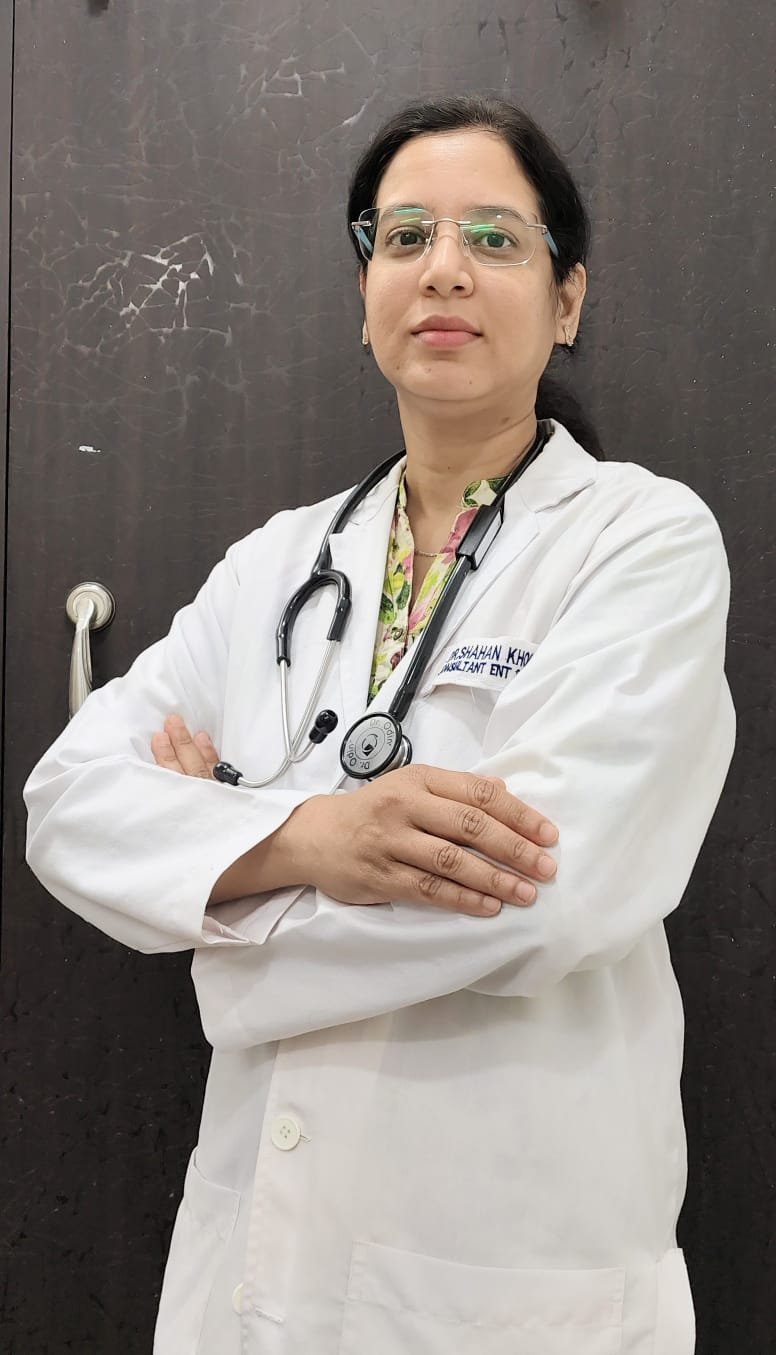
MBBS, MS (ENT, Head & Neck)
Senior Consultant
ENT Specialist Microsurgeon
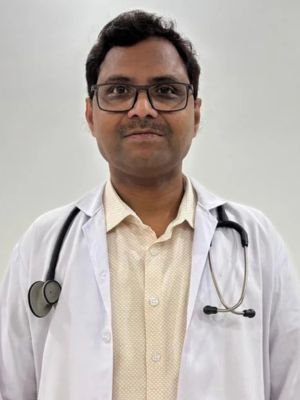
MBBS, MS (ENT, Head & Neck)
Senior Consultant
ENT Specialist Microsurgeon
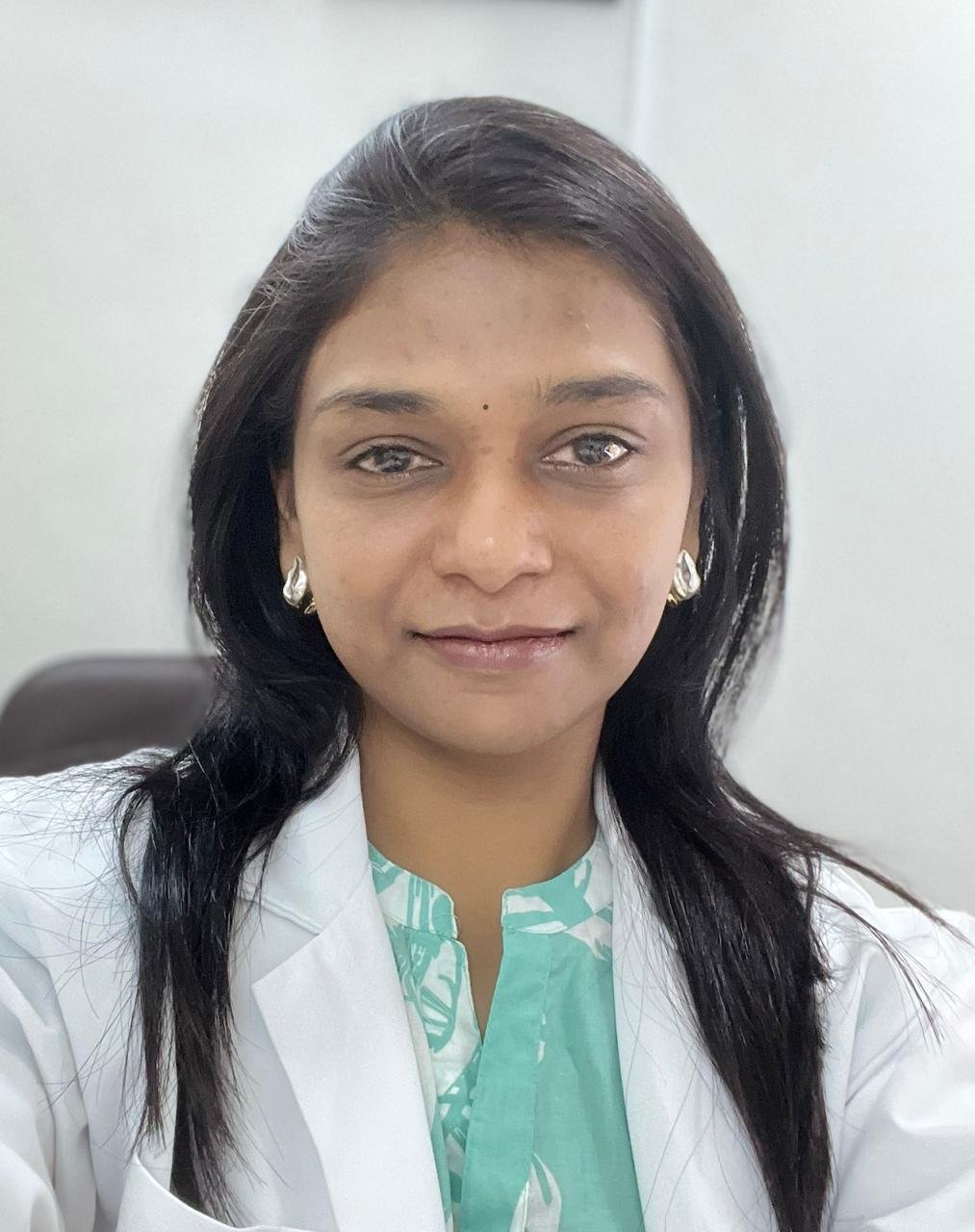
MBBS, MS (ENT, Head & Neck)
Senior Consultant
ENT Specialist Microsurgeon
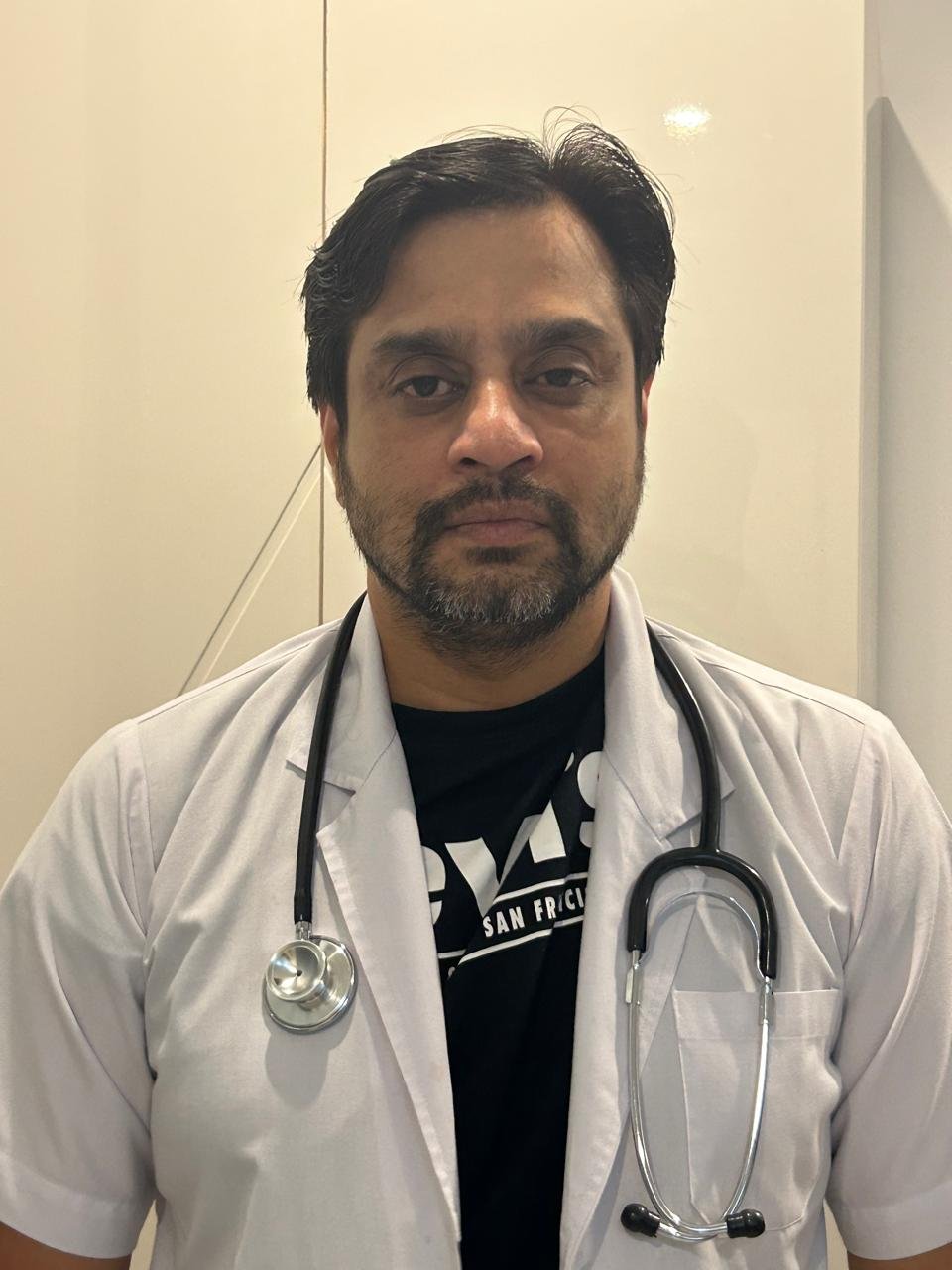
BDS, MDS (OMFS)
Senior Consultant
Facio Maxillary Surgeon
BDS, MDS (OMFS)
Senior Consultant
Facio Maxillary Surgeon
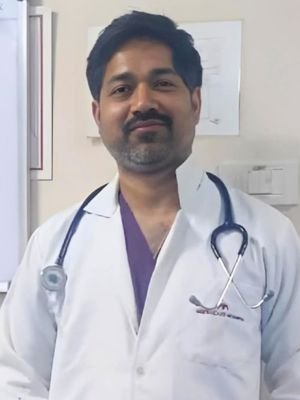
MBBS, DNB (Anae)
Senior Anaesthesiologist and Intensive Care Specialist
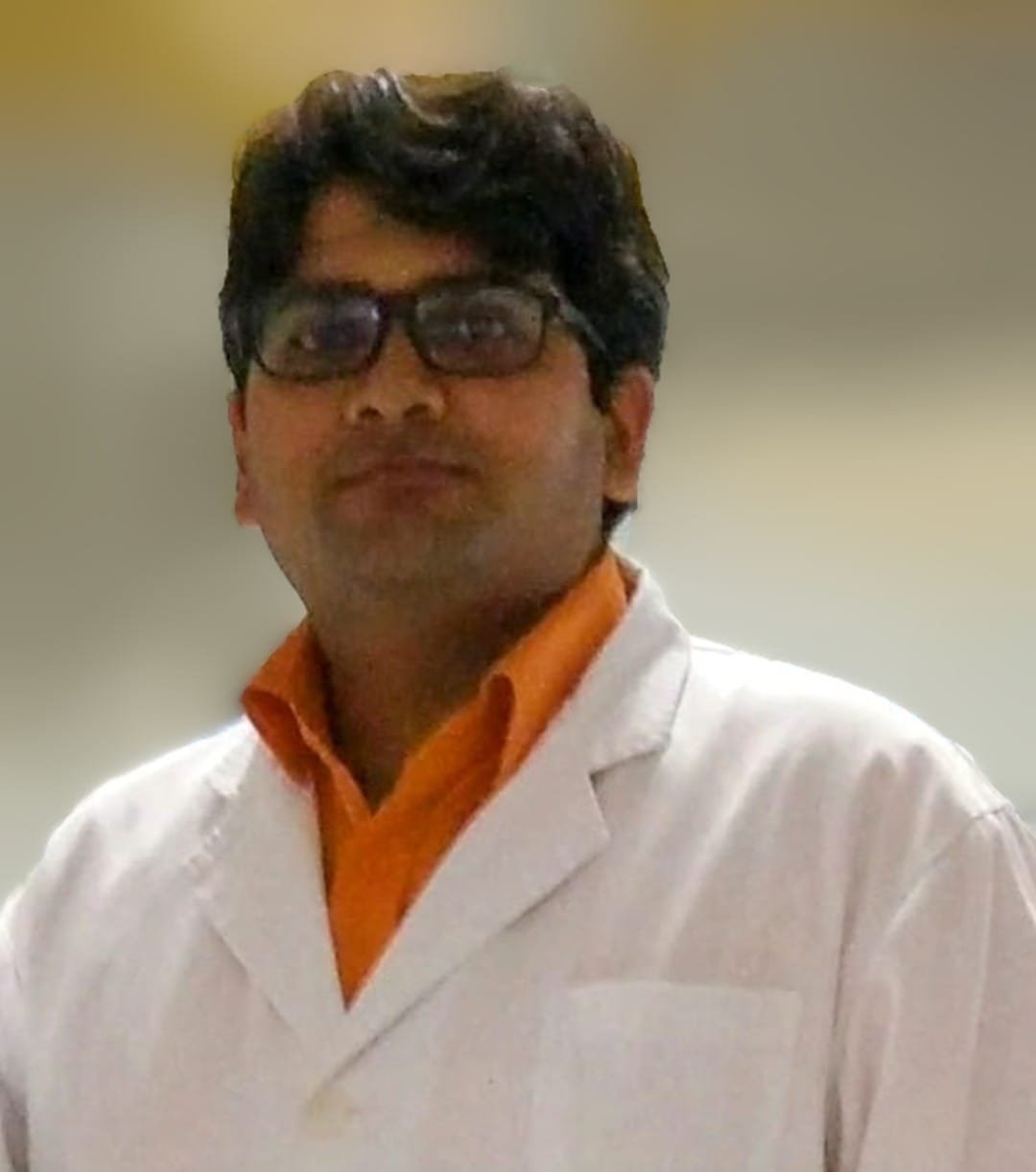
BDS, MDS (OMFS)
Facio Maxillary Surgeon




LASER stands for Light Amplification by Stimulated Emission of Radiation.
In ENT surgery, a laser produces a concentrated beam of light energy that can be used to cut, vaporize, coagulate, or modify selected tissues.
Because laser energy can be precisely controlled, it can be useful when operating on delicate or difficult-to-access areas such as:
The choice of laser depends on the condition being treated, the tissue involved, and the specific surgical objective.
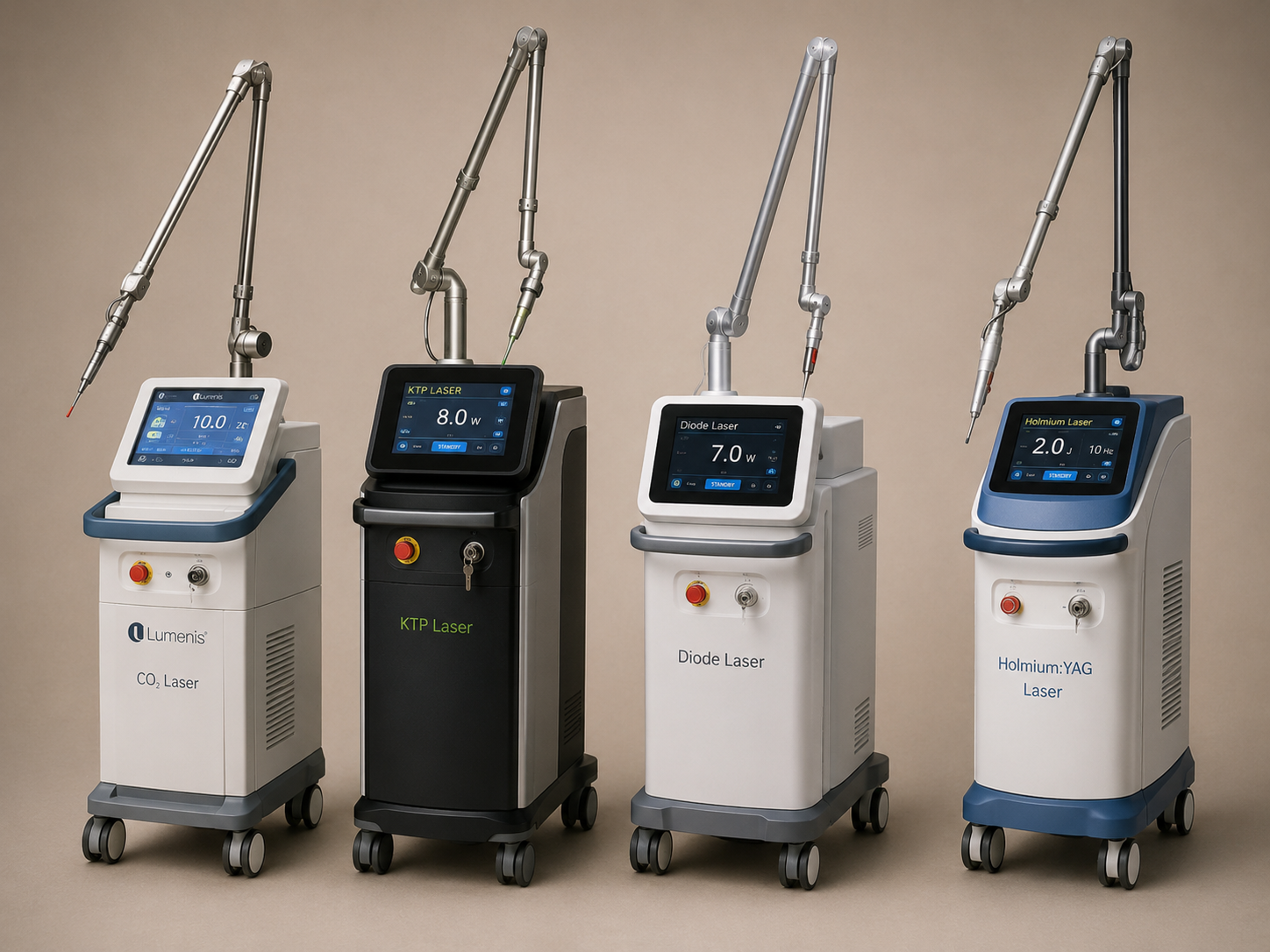

CO₂ lasers are widely used for precise soft-tissue procedures. They can vaporize or cut selected tissues with controlled energy delivery.
They may be used for selected procedures involving the vocal cords, larynx, airway, and other soft tissues.
KTP lasers are strongly absorbed by haemoglobin and may be useful for selected vascular lesions and certain laryngeal or airway lesions.
Diode lasers are compact and versatile systems that can be used for selected soft-tissue procedures and minimally invasive ENT applications.
Holmium lasers can be used for selected procedures involving bone, cartilage, and other tissues depending on the surgical requirement.
The most appropriate laser system is selected by the ENT surgeon based on the patient’s diagnosis and treatment plan.
Selected nasal and sinus conditions may be treated using laser-assisted techniques.
Potential applications include:
The cause of nasal blockage must be identified before deciding whether laser treatment is appropriate.
Laser technology can be particularly useful in delicate laryngeal and vocal-cord procedures.
Selected applications may include:
Laser-assisted microsurgery allows the surgeon to precisely target abnormal tissue while attempting to preserve surrounding healthy structures.
Laser technology can also be used in selected ear procedures.
Depending on the diagnosis, laser-assisted techniques may be considered for:
A detailed ear examination and hearing assessment are required before deciding whether laser ear surgery is appropriate.
Laser-assisted procedures may be considered for selected patients with snoring or certain sleep-related breathing disorders.
Possible applications include:
Not every patient with snoring or sleep apnea is suitable for laser treatment. A detailed airway and sleep evaluation is important before treatment.
Laser energy can be accurately directed toward selected tissues, which is valuable when treating delicate anatomical structures.
Certain lasers can coagulate small blood vessels during tissue treatment, potentially reducing bleeding.
Selected laser techniques may cause less mechanical trauma compared with some conventional surgical approaches.
Certain procedures can be performed through minimally invasive techniques depending on the condition.
Some patients may experience a shorter recovery period following appropriate minimally invasive laser procedures.
Selected laser treatments may be performed as outpatient or day-care procedures when clinically appropriate.
Important: The benefits and recovery time vary according to the procedure, patient’s condition, laser system, and surgical technique.
Laser procedures can be performed safely when appropriate equipment, patient selection, surgical expertise, and laser-safety protocols are used.
At MicroCare ENT, laser procedures are performed in controlled surgical environments using appropriate safety measures.
As with any surgical procedure, laser treatment can have potential risks. These depend on the area being treated and the specific procedure.
Your ENT specialist will explain the expected benefits, risks, alternatives, and recovery process before treatment.
Laser surgery is not necessarily better than conventional surgery for every ENT condition.
The appropriate technique depends on the diagnosis and surgical requirements.
| Laser-Assisted Treatment | Conventional Surgery |
|---|---|
| Uses focused laser energy | Uses conventional surgical instruments |
| Precise tissue treatment | Suitable for a wide range of procedures |
| Can coagulate selected blood vessels | Bleeding managed with standard techniques |
| Useful for selected delicate procedures | Appropriate for many complex procedures |
| Minimally invasive in selected cases | Surgical approach varies by condition |
| May allow day-care treatment in selected cases | May require day-care or hospital stay |
Your ENT surgeon will recommend the technique most appropriate for your individual condition.
The exact procedure depends on the condition being treated.
The ENT specialist evaluates your symptoms, medical history, and clinical condition.
Depending on your condition, investigations such as endoscopy, imaging, hearing tests, or other examinations may be performed.
Your surgeon determines whether laser treatment is suitable and discusses alternative treatment options.
The appropriate laser system is used to treat the targeted tissue with controlled energy.
Post-procedure recovery varies depending on the treatment area and type of procedure.
Follow-up appointments are recommended to monitor healing and treatment response.
You may be evaluated for laser treatment if you have:
Laser treatment is recommended only after an appropriate ENT evaluation.
MicroCare ENT Hospital provides advanced ENT technology for diagnosis and surgical treatment.
Used for selected soft-tissue and laryngeal procedures.
Used for selected soft-tissue ENT procedures.
Endoscopic visualization allows surgeons to accurately identify and treat selected areas of the nose, throat, and airway.
Microscopic visualization is used for selected delicate ear and voice procedures.
The hospital’s technology portfolio currently lists CO₂ and Diode laser systems among its advanced ENT equipment.
MicroCare ENT provides comprehensive care for ear, nose, throat, head and neck conditions.
Our specialists have experience in advanced ENT procedures and microsurgery.
Modern CO₂ and Diode laser systems are available for selected ENT procedures.
Every patient is evaluated individually before laser treatment is recommended.
Where clinically appropriate, laser-assisted procedures may offer a minimally invasive alternative.
Diagnosis, medical treatment, surgery, follow-up, and rehabilitation can be coordinated within a comprehensive ENT care environment.
If you are suffering from persistent nasal blockage, voice problems, selected throat lesions, snoring, or other ENT conditions, laser treatment may be an option depending on your diagnosis.
At MicroCare ENT Hospital, our specialists combine advanced laser technology with endoscopic and microsurgical expertise to provide precise and individualized treatment.
Laser treatment in ENT uses focused light energy to cut, vaporize, coagulate, or modify selected tissues. It can be used for certain ear, nose, throat, voice, and airway conditions.
Not always. Laser surgery is useful for selected conditions, while conventional surgery may be more appropriate for others. The best approach depends on your diagnosis and anatomy.
Discomfort depends on the specific procedure and treatment area. Appropriate anaesthesia is used, and your surgeon will explain the expected recovery.
Certain laser systems can coagulate small blood vessels during tissue treatment, which may reduce bleeding in selected procedures. However, bleeding can still occur.
Yes. Selected vocal-cord and laryngeal lesions can be treated using laser-assisted microsurgery when clinically appropriate.
Book Your Consultation Today!

Looking for an Experienced ENT Doctor in Kukatpally? Are you searching for an ENT doctor in Kukatpally for persistent sinus…

Puberphonia is a voice disorder where a male continues to have a high-pitched or childlike voice even after puberty. This…

Voice changes are a natural part of puberty in males. However, some individuals continue to have a high-pitched or childlike…

Summer in Hyderabad can be extremely harsh. Rising temperatures, excessive sweating, air-conditioned environments, and inadequate water intake often lead to…
Voice plays an important role in identity, confidence, and communication. For individuals seeking a deeper and more masculine voice, female…
Contact us