

Team of ENT Surgeons under Prof. Dr. Sriprakash Vinnakota provides advanced ENT, Head & Neck care at the following locations.

Team of ENT Surgeons under Prof. Dr. Sriprakash Vinnakota provides advanced ENT, Head & Neck care at the following locations.
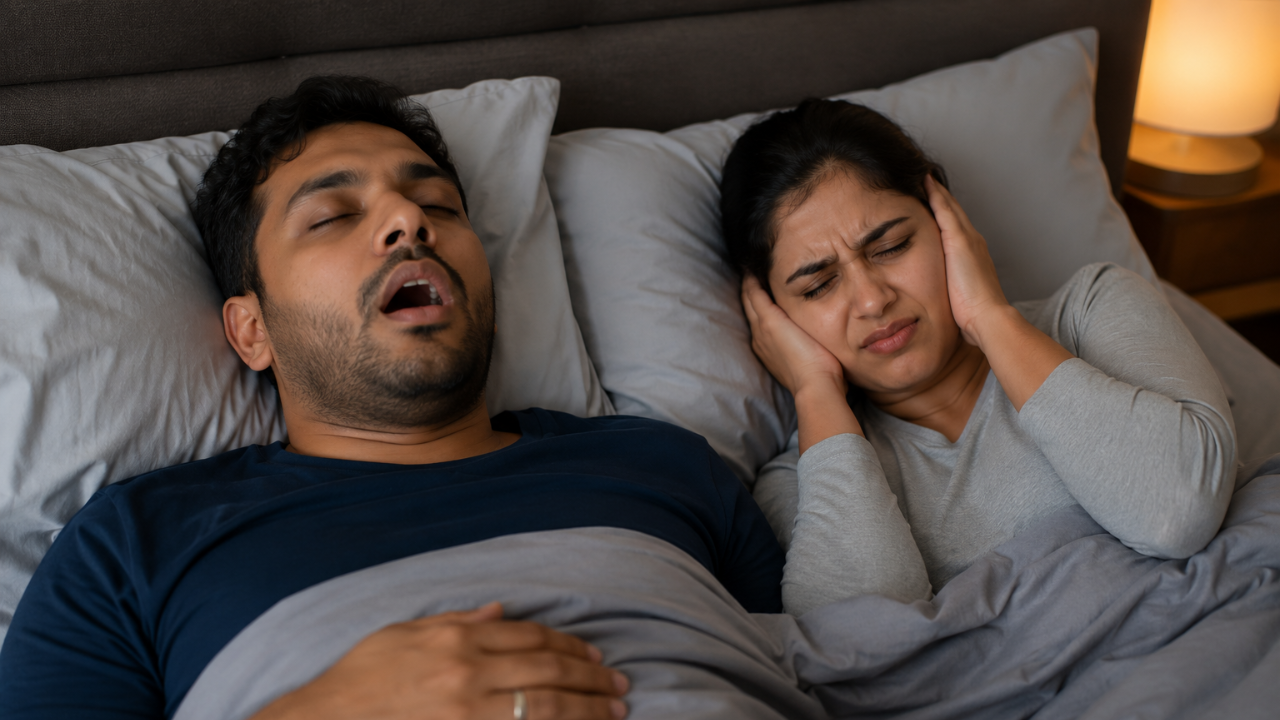
Many people consider snoring a harmless nuisance, but in some cases, it can be a sign of a serious health condition. Occasional snoring is common and may occur due to fatigue, nasal congestion, or sleeping position. However, loud and persistent snoring should never be ignored.
In some individuals, snoring may indicate Obstructive Sleep Apnea (OSA), a condition that causes repeated interruptions in breathing during sleep.
At MicroCare ENT Hospital & Research Institute, Hyderabad, we help diagnose and treat snoring and sleep-related breathing disorders.
Published By microcareenthospitals.com / Updated: June 05, 2026
Snoring occurs when airflow is partially blocked while sleeping. This causes the tissues in the throat, soft palate, or nose to vibrate, producing the familiar snoring sound.
Common causes include:
Not all snoring is dangerous.
Occasional snoring caused by a cold, allergies, or fatigue is usually temporary and harmless.
However, snoring may become dangerous if it is associated with:
These symptoms may indicate sleep apnea.
1. Loud, Chronic Snoring
Persistent loud snoring that occurs almost every night should be evaluated by an ENT specialist.
2. Pauses in Breathing
Family members may notice periods where breathing stops briefly during sleep.
This is one of the most important signs of sleep apnea.
3. Excessive Daytime Fatigue
People with sleep apnea often wake up feeling tired despite sleeping for several hours.
4. Morning Headaches
Reduced oxygen levels during sleep can contribute to headaches upon waking.
5. Difficulty Concentrating
Poor sleep quality may affect memory, focus, and work performance.
6. High Blood Pressure
Untreated sleep apnea increases the risk of hypertension and cardiovascular problems.
Ignoring chronic snoring can lead to serious complications.
1. Heart Disease
Sleep apnea increases strain on the heart and may raise the risk of heart disease.
2. Stroke
Reduced oxygen levels can contribute to an increased risk of stroke.
3. Diabetes
Sleep-disordered breathing is linked to insulin resistance and diabetes.
4. High Blood Pressure
Frequent oxygen drops during sleep can increase blood pressure levels.
5. Poor Quality of Life
Untreated snoring affects sleep quality for both the patient and family members.
You should seek immediate ENT evaluation if you experience:
Do not wait to see if symptoms improve on their own.
At MicroCare ENT Hospital, evaluation may include:
These tests help identify the cause and severity of the problem.
1. Lifestyle Changes
Simple modifications may help reduce snoring:
2. Treatment for Nasal Problems
Conditions such as:
can be treated to improve airflow.
3. CPAP Therapy
For patients with sleep apnea, Continuous Positive Airway Pressure (CPAP) therapy helps keep the airway open during sleep.
4. Surgical Treatment
Some patients may benefit from procedures that correct airway obstruction caused by:
👨⚕️ Prof. Dr. Sriprakash Vinnakota
MBBS, MS (ENT, Head & Neck Surgery)
Chief Consultant ENT Specialist & Microsurgeon
Expertise in Snoring, Sleep Apnea, and Airway Disorders
Advanced ENT and Sleep Disorder Care
While occasional snoring may not be a concern, persistent and loud snoring can sometimes indicate a serious underlying condition such as sleep apnea. Ignoring the warning signs may increase the risk of heart disease, high blood pressure, and other health problems.
If you or your loved one snores regularly and experiences daytime fatigue or breathing pauses during sleep, consult an ENT specialist for proper evaluation and treatment.
No. Occasional snoring can occur without sleep apnea, but persistent loud snoring should be evaluated.
Yes. Untreated sleep apnea associated with snoring can increase the risk of heart disease and high blood pressure.
Warning signs include breathing pauses, excessive daytime sleepiness, morning headaches, and choking during sleep.
Yes. ENT specialists can identify the cause of snoring and recommend appropriate treatment.
In selected cases, surgery may improve airflow and reduce snoring caused by structural airway problems.
Sign up for free and stay up to date on research advancements, health tips, current health topics, and expertise on managing health.
👨⚕️ Dr. Sriprakash Vinnakota (26+ Years of Experience)
Where Dr. Sriprakash Vinnakota Practices
Team of ENT Surgeons under Prof. Dr. Sriprakash Vinnakota provides advanced ENT, Head & Neck care at the following locations.
📍 MicroCare ENT Hospital – KPHB Colony, Kukatpally
Road No. 4, KPHB Colony, Hyderabad – 500072, Telangana, India
📍 Apollo Hospitals – Financial District
Financial District, Nanakramguda, Serilingampally, Hyderabad – 500032
📞 Book your appointment today: 9494940725 / 26
🌐 www.microcareenthospitals.com
Road No 4, KPHB Colony, Hyderabad-500033, Telangana
Road No.36, Jubilee Hills Beside Peddamma Temple Kaman


Contact us