

Best Ear, Nose & Throat Hospitals Hyderabad – Top ENT Hospitals for Complete Ear, Nose & Throat Care

nagarjuna

When it comes to maintaining good health, ear, nose, and throat care is often overlooked — yet these three areas play a crucial role in breathing, hearing, and communication. The Best Ear, Nose & Throat Hospitals Hyderabad are dedicated to providing specialized medical care for all ENT-related disorders, from common ear infections and sinus issues to complex surgeries like cochlear implants and head & neck procedures.

Hyderabad has become a major hub for advanced ENT treatment in India, with hospitals offering state-of-the-art facilities, skilled surgeons, and personalized patient care. Whether you’re struggling with chronic sinusitis, hearing loss, voice disorders, or sleep apnea, the Best Ear, Nose & Throat Hospitals Hyderabad provide comprehensive solutions using the latest technology and minimally invasive techniques.

Published By microcareenthospitals.com / Updated: OCT 16, 2025

1. MicroCare ENT Hospital – The Leading ENT Super Speciality in Hyderabad

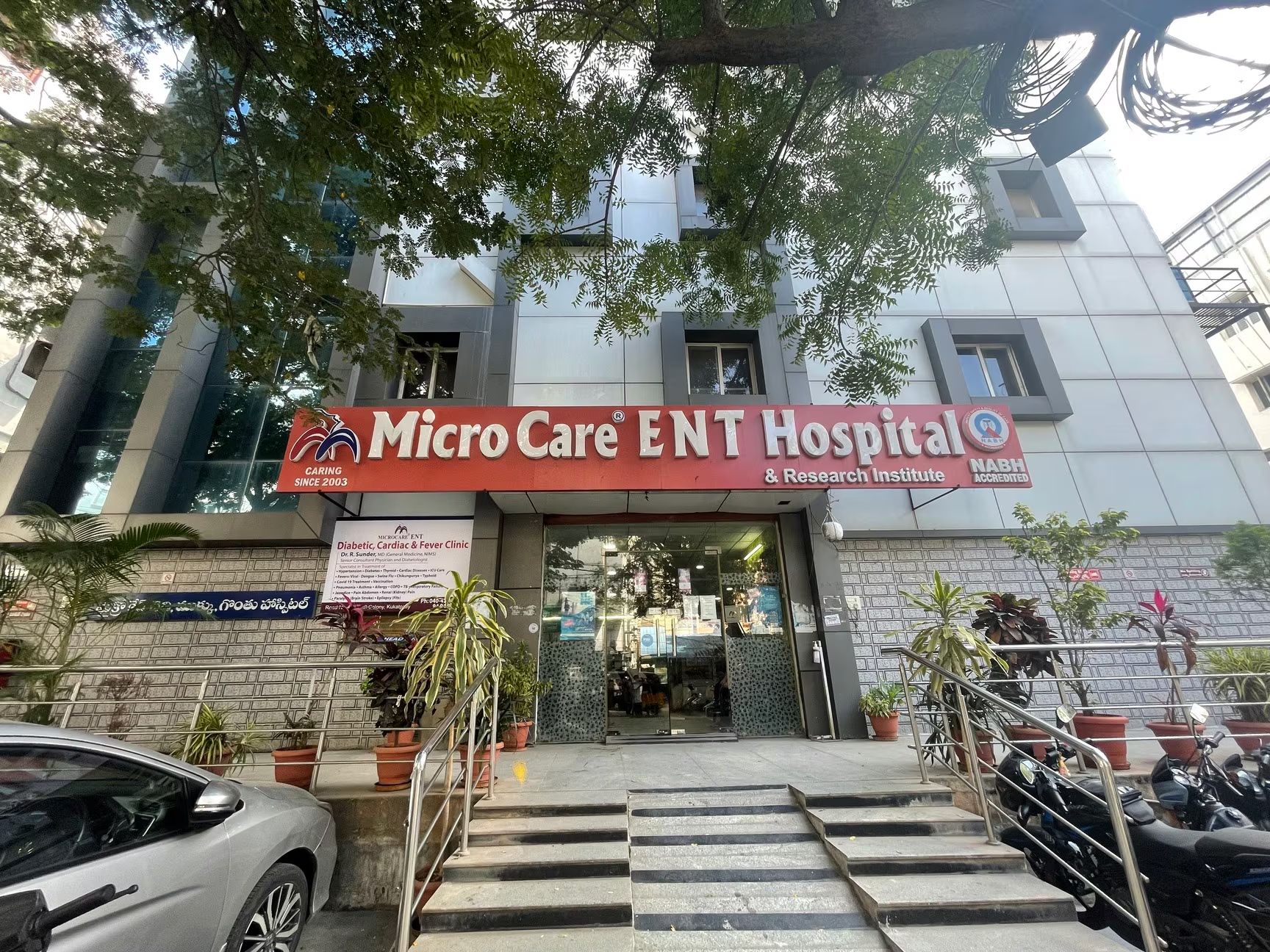
MicroCare ENT Super Speciality Hospital is widely recognized as one of the Best Ear, Nose & Throat Hospitals Hyderabad for advanced treatments and compassionate care.

Expertise: Led by Dr. Sriprakash Vinnakota, one of Hyderabad’s most trusted ENT specialists.

Services Offered: Cochlear implants, endoscopic sinus surgery, allergy management, voice & throat disorders, ear microsurgery, and skull base surgeries.

Technology: Equipped with advanced endoscopic systems, laser-assisted instruments, and 3D navigation technology.

Infrastructure: Features four state-of-the-art operation theatres, dedicated audiology units, and modern ICUs.

Locations: Branches in KPHB and Jubilee Hills for patient convenience.

2. Dr. Rao’s ENT Super Specialty Hospital

Dr. Rao’s ENT Hospital is another reputed name among the Best Ear, Nose & Throat Hospitals Hyderabad, known for advanced ENT and skull base surgeries.

Specialties: Pediatric ENT, cochlear implants, head & neck oncology, rhinology, and facial plastic surgery.

Recognition: NABH accredited and equipped with advanced endoscopy labs.

3.MAA ENT Hospital

MAA ENT is a well-known ENT super specialty hospital in Hyderabad, with strong credentials in cochlear implantation, sinus surgeries, and ENT care. 

They report over 700 cochlear implant surgeries, many sinus surgeries, and advanced navigation / robotic laser tools.

4. Apollo Hospitals ENT Department

Apollo Hospitals, Jubilee Hills, ranks among the top ENT hospitals with advanced diagnostic and surgical facilities.

Services: Laser tonsillectomy, voice therapy, ear reconstruction, and hearing restoration surgeries.

Specialists: Houses top ENT surgeons like Dr. Y.L. Ravi Jadhav, renowned for cochlear implant procedures.

5.Continental Hospitals (ENT Department)

Continental Hospitals in Hyderabad has a dedicated ENT department offering comprehensive ear, nose, and throat treatments.

How to Choose the Right ENT Hospital in Hyderabad

When selecting from the Best Ear, Nose & Throat Hospitals Hyderabad, keep these factors in mind:

FactorImportance
Doctor ExperienceChoose hospitals with board-certified ENT surgeons.
InfrastructureModern operation theatres and diagnostics improve outcomes.
SpecializationLook for hospitals offering services like cochlear implants or allergy care.
Patient ReviewsReal feedback helps assess quality of service.
LocationAccessibility for follow-up care is key.

Conclusion

For anyone seeking the Best Ear, Nose & Throat Hospitals Hyderabad, MicroCare ENT Hospital stands as the top choice — known for expertise, technology, and patient trust. Alongside MicroCare, institutions like Dr. Rao’s ENT, Rainbow Children’s Hospital, and Apollo Hospitals continue to offer world-class ENT care. Choosing the right hospital can make a life-changing difference in hearing, sinus, or throat health.

From MicroCare ENT Hospital to your inbox

Sign up for free and stay up to date on research advancements, health tips, current health topics, and expertise on managing health.

📞 Book Your Consultation Now

Call us: +91- 94 94 94 0725
appointments@microcareenthospitals.com
www.microcareenthospitals.com

To learn more about ear, visit our page on advanced ear solutions at MicroCare ENT
learn about How snoring effects your health

Watch our Related Videos

Cochlear Implant – Procedure, Benefits, and Life-Changing Results

nagarjuna

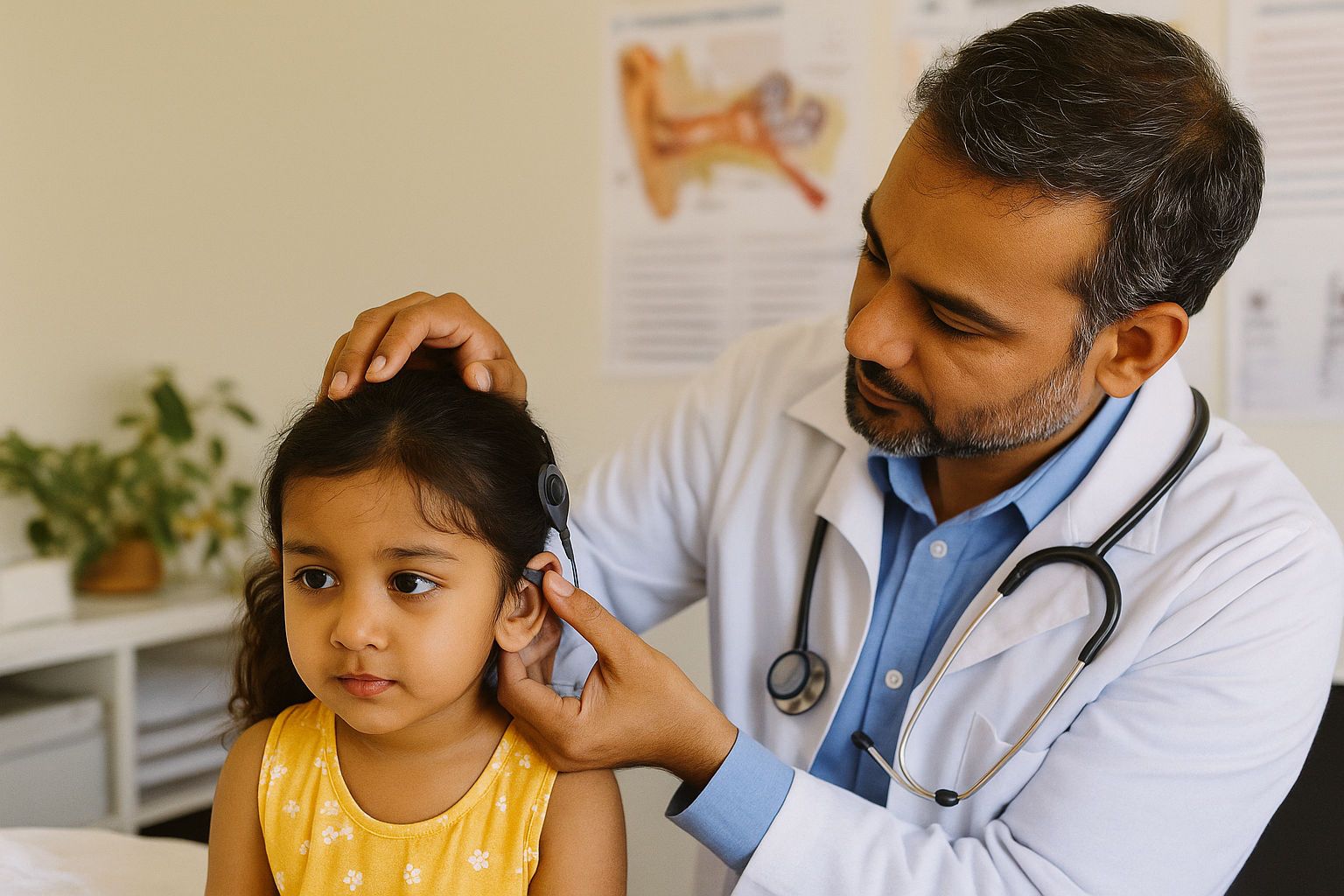
A cochlear implant is a revolutionary medical device designed to help people with severe hearing loss or deafness experience sound again. Unlike traditional hearing aids that amplify sound, a cochlear implant directly stimulates the auditory nerve, offering a clear and natural hearing experience. In this blog, we’ll explore how cochlear implants work, their benefits, and what patients can expect before and after the surgery.

Published By microcareenthospitals.com / Updated: 15 OCT , 2025

What Is a Cochlear Implant?

A cochlear implant is a small, complex electronic device that provides a sense of sound to individuals who are profoundly deaf or severely hard of hearing. It consists of two main parts:

External Processor: Captures and processes sound from the environment.

Internal Implant: Sends electrical signals directly to the auditory nerve.

This allows sound signals to bypass damaged parts of the inner ear and reach the brain directly.

How Does a Cochlear Implant Work?

Sound Detection: The external processor captures sound.

Signal Conversion: It converts sound into digital signals.

Transmission: The implant sends electrical impulses to the auditory nerve.

Brain Interpretation: The brain translates these impulses into recognizable sound.

This advanced hearing technology has changed millions of lives across the world.

Benefits of Cochlear Implants

Improved speech understanding

Better communication in noisy environments

Enhanced awareness of environmental sounds

Support for child language development

Improved quality of life and social interaction

The Cochlear Implant Surgery Procedure

Cochlear implant surgery is performed under general anesthesia and typically takes 2–3 hours.

A small incision is made behind the ear.

The internal device is placed under the skin.

The electrode array is inserted into the cochlea.

The external processor is fitted a few weeks after healing.

Patients often undergo speech therapy and rehabilitation to adjust to their new hearing sensations.

If home remedies don’t help after 7–10 days or symptoms worsen, it’s time to seek professional help. Persistent infections may require a CT scan or nasal endoscopy for proper diagnosis and advanced sinus treatment.

Who Can Benefit from a Cochlear Implant?

Cochlear implants are recommended for:

Adults with severe or profound hearing loss in both ears

Children born with deafness

Patients who receive little or no benefit from hearing aids

Life After Cochlear Implant

Post-surgery, patients experience gradual improvement in hearing clarity as the brain adapts. With consistent therapy and device tuning, most recipients can recognize speech and enjoy music.

Conclusion

A cochlear implant offers a second chance at hearing for those who thought silence was permanent. Whether for a child developing language or an adult reconnecting with loved ones, cochlear implants represent hope, technology, and transformation. If you or a loved one struggles with hearing loss, consult an ENT specialist to explore this life-changing option.

From MicroCare ENT Hospital to your inbox

Sign up for free and stay up to date on research advancements, health tips, current health topics, and expertise on managing health.

📞 Book Your Consultation Now

Call us: +91- 94 94 94 0725
appointments@microcareenthospitals.com
www.microcareenthospitals.com

To learn more about ear, visit our page on advanced ear solutions at MicroCare ENT
learn about How snoring effects your health

Watch our Related Videos

Sinus Treatment – Causes, Symptoms, and Effective Remedies

nagarjuna

What Is Sinusitis?

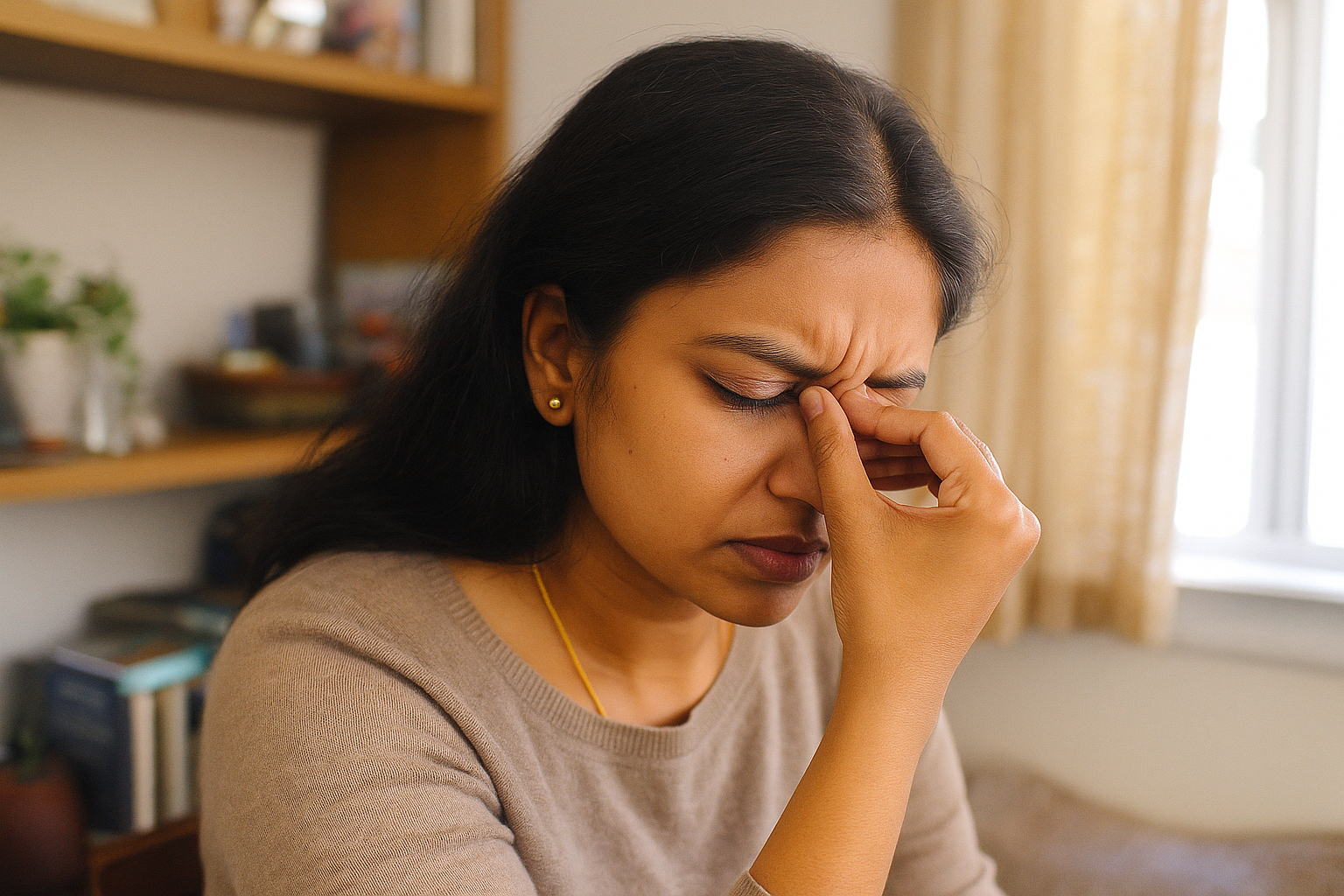
Sinusitis, commonly known as a sinus infection, occurs when the sinuses — the air-filled spaces around your nose and eyes — become inflamed or blocked. This can result from colds, allergies, or bacterial infections. Chronic sinusitis can last for months and may require specialized sinus treatment to restore normal breathing.

Published By microcareenthospitals.com / Updated: 15 OCT , 2025

Common Causes of Sinus Infections

Allergies: Dust, pollen, and pollution trigger sinus inflammation.

Colds and Flu: Viral infections often cause temporary sinus blockage.

Deviated Septum: Structural issues in the nose can hinder drainage.

Nasal Polyps: These non-cancerous growths block sinus passages.

Symptoms of Sinus Infection

Facial pain or pressure

Stuffy or runny nose

Headache and fatigue

Reduced sense of smell

Postnasal drip

If you experience these for more than 10 days, consult an ENT specialist for advanced sinus treatment.

Effective Sinus Treatment Options

1.Home Remedies

Inhale steam twice daily to ease congestion.

Use saline nasal sprays to keep passages moist.

Stay hydrated and get adequate rest.

2. Medical Treatments

Decongestants and antibiotics for bacterial infections.

Corticosteroid sprays to reduce inflammation.

Functional Endoscopic Sinus Surgery (FESS) for chronic cases.

When to See a Doctor

If home remedies don’t help after 7–10 days or symptoms worsen, it’s time to seek professional help. Persistent infections may require a CT scan or nasal endoscopy for proper diagnosis and advanced sinus treatment.

Conclusion

Sinusitis can be painful, but timely sinus treatment — from simple home care to medical interventions — can make a big difference. Stay proactive with good hygiene, allergy management, and regular ENT checkups to breathe freely again.

From MicroCare ENT Hospital to your inbox

Sign up for free and stay up to date on research advancements, health tips, current health topics, and expertise on managing health.

📞 Book Your Consultation Now

Call us: +91- 94 94 94 0725
appointments@microcareenthospitals.com
www.microcareenthospitals.com

To learn more about ear, visit our page on advanced ear solutions at MicroCare ENT
learn about How snoring effects your health

Watch our Related Videos

21 Things to Avoid After Rhinoplasty for a Smooth Recovery

nagarjuna

Rhinoplasty, commonly known as a nose reshaping surgery, is one of the most delicate and transformative procedures in the field of ENT and facial plastic surgery. It not only enhances facial appearance but can also improve breathing and overall nasal function. However, achieving the best outcome requires more than just the surgeon’s skill—it depends heavily on how carefully patients follow post-rhinoplasty care instructions. Even small mistakes in the recovery phase can delay healing or affect the final results.


At MicroCare ENT Super Speciality Hospitals, Hyderabad, our 26+ years experienced ENT specialists emphasize that proper care during recovery plays a critical role in both the functional and cosmetic success of rhinoplasty. If you are preparing for or have recently undergone the surgery, you might be wondering: “What should I avoid after rhinoplasty?” To help you, we’ve compiled this detailed guide outlining the 21 most important things to avoid after nose surgery and why they matter.

Published By microcareenthospitals.com / Updated: Sep 5, 2025

1. Avoid Blowing Your Nose (4–6 weeks)

Blowing your nose may seem harmless, but after rhinoplasty, it can cause serious complications. The act of blowing creates internal pressure that can damage delicate nasal tissues, disrupt sutures, and increase swelling. If you feel congested, gently dab with a soft tissue and consult your doctor for safe alternatives. Using saline sprays prescribed by your ENT specialist can help keep your nasal passages moist and clean during this sensitive phase.

2. Avoid Wearing Glasses or Sunglasses (4–6 weeks)

Placing glasses on the nasal bridge too soon can put unnecessary pressure on healing bones and cartilage. Since the nasal structure remains soft and fragile for weeks, continuous weight can alter alignment and cause asymmetry in your final results. During this time, consider switching to contact lenses or using specially designed light frames that do not rest on the nose until your surgeon gives approval.

3. Avoid Strenuous Exercise (3–4 weeks)

While staying active is important for overall health, exercise immediately after rhinoplasty can be risky. Strenuous physical activities increase blood flow and elevate blood pressure, which may lead to bleeding, swelling, or prolonged bruising. Light walking is encouraged to maintain circulation, but heavy workouts, lifting, or high-impact sports should be postponed until your ENT doctor confirms that it is safe.

4. Avoid Excessive Facial Expressions (3–4 weeks)

Smiling widely, laughing loudly, or making exaggerated facial expressions can stretch the delicate tissues of your healing nose. Such movements place unnecessary strain on sutured areas and may impact wound healing. Being mindful of facial activity helps ensure that your nasal skin and underlying structures heal evenly without stress or tension.

5. Avoid Sleeping on Stomach or Sides (4–6 weeks)

The way you sleep plays a major role in your recovery. Lying on your side or stomach can place pressure on your nose, potentially distorting healing tissues. To protect your nasal structure, it is best to sleep on your back with your head slightly elevated using extra pillows. This not only prevents pressure but also helps reduce swelling and improves overall comfort during recovery.

6. Avoid Direct Sun Exposure (3–6 months)

After rhinoplasty, your skin becomes more sensitive to sunlight, making it prone to discoloration and delayed healing. Direct exposure to ultraviolet (UV) rays can darken scars and worsen swelling. Protecting your nose with sunscreen, hats, or staying in shaded areas is crucial for several months post-surgery. This simple step ensures long-lasting, natural results.

7. Avoid Smoking (2–4 weeks minimum, preferably longer)

Smoking is one of the most harmful habits during recovery. Nicotine reduces oxygen supply by narrowing blood vessels, which significantly delays healing and increases infection risk. For the best rhinoplasty outcome, patients are strongly encouraged to quit smoking well before surgery and avoid restarting it afterward. This not only benefits healing but also enhances long-term health.

8. Avoid Alcohol (2–4 weeks minimum)

Alcohol interferes with recovery in multiple ways. It thins the blood, increasing the risk of bleeding, and worsens swelling and bruising. Alcohol also dehydrates the body and interferes with medications prescribed after surgery. Replacing alcohol with water, herbal teas, or electrolyte-rich fluids supports hydration and faster recovery.

9. Avoid Makeup Near the Nose (2 weeks)

Though makeup is part of many people’s daily routine, applying it too soon after rhinoplasty can cause irritation or infection. The skin barrier around your nose is still healing, and makeup products may carry bacteria. To avoid complications, wait at least two weeks and always use clean applicators when your surgeon approves makeup use again.

10. Avoid Hot Showers and Steam Rooms (2–3 weeks)

Exposure to hot steam and high temperatures may feel soothing, but they dilate blood vessels and increase swelling in the nasal area. This prolongs the inflammatory stage of healing and can cause discomfort. Opt for lukewarm showers and avoid saunas or steam rooms until your recovery progresses.

11. Avoid Touching or Bumping the Nose (6 weeks)

Accidental bumps, even minor ones, can shift bones or cartilage while they are still stabilizing. It is essential to stay cautious in crowded areas, avoid contact sports, and remind loved ones to be gentle when greeting or hugging. The nose remains vulnerable for several weeks, and careful handling prevents unwanted deformities.

12. Avoid Chewing Hard Foods (2–3 weeks)


The act of chewing tough or crunchy foods places extra strain on nasal tissues, especially if septal work was performed. To ease pressure, stick to softer meals like soups, yogurt, rice, or well-cooked vegetables during the initial healing period. Once your surgeon approves, you can gradually reintroduce firmer foods.

13. Avoid Spicy and Very Hot Foods (2–3 weeks)

Spicy meals and very hot foods increase blood flow in the nasal mucosa, often triggering nosebleeds or irritation. Ingredients like chili and pepper may also cause sneezing, which can strain healing tissues. Instead, choose mild, balanced meals to support smooth recovery.

14. Avoid Flying Too Soon (2–3 weeks minimum)

The way you sleep plays a major role in your recovery. Lying on your side or stomach can place pressure on your nose, potentially distorting healing tissues. To protect your nasal structure, it is best to sleep on your back with your head slightly elevated using extra pillows. This not only prevents pressure but also helps reduce swelling and improves overall comfort during recovery.

15. Avoid Tight Clothing Over the Face (2–3 weeks)


Tight pull-over clothing like t-shirts or sweaters can accidentally bump the nose while dressing. Choosing front-buttoned or zip-up clothes ensures safety and reduces the chance of putting pressure on healing tissues.

16. Avoid Swimming (4–6 weeks)

The way you sleep plays a major role in your recovery. Lying on your side or stomach can place pressure on your nose, potentially distorting healing tissues. To protect your nasal structure, it is best to sleep on your back with your head slightly elevated using extra pillows. This not only prevents pressure but also helps reduce swelling and improves overall comfort during recovery.

17. Avoid Ignoring Signs of Infection

Redfever, unusual swelling, or fluid discharge should never be ignored. These may indicate infection and require immediate medical attention. Prompt treatment ensures that complications do not progress into more serious issues.ness,

18. Avoid Cold or Flu Infections

Catching a cold or flu may seem minor, but sneezing, coughing, and nasal congestion put stress on fragile tissues. Taking precautions such as practicing good hygiene, staying hydrated, and avoiding sick contacts helps protect your healing process.

19. Avoid Rushing Back to Normal Life Too Soon (4–6 weeks)

Even if your nose looks externally healed, internal tissues continue to stabilize for weeks and even months. Returning to work, social events, or strenuous activities too soon can disrupt recovery. It is always best to follow a gradual routine as advised by your ENT specialist.

20. Avoid Missing Follow-Up Appointments

Regular check-ups are essential for monitoring healing and ensuring that recovery is progressing as planned. These visits allow your doctor to detect complications early and provide timely solutions. Skipping follow-ups risks delaying treatment of small issues that may become bigger later.

21. Avoid Comparing Results Too Early

Rhinoplasty results take time to fully settle. Swelling gradually reduces over several months, and the final shape of the nose often becomes visible only after 6–12 months. Being patient and realistic prevents unnecessary anxiety and helps you appreciate the long-term results.

Why Choose MicroCare ENT for Rhinoplasty Recovery?

At MicroCare ENT Super Speciality Hospitals, Kukatpally (KPHB), Hyderabad, we are recognized as the Best ENT Hospital in Hyderabad for delivering world-class ENT treatments. Our 26+ years of experienced ENT doctors provide advanced rhinoplasty surgeries with personalized aftercare plans. From pre-surgery counseling to comprehensive post-rhinoplasty care, we guide every patient through a safe recovery journey.

Choosing MicroCare ENT means choosing excellence, trust, and lasting results. With state-of-the-art facilities and a compassionate medical team, we ensure your rhinoplasty recovery is smooth, comfortable, and fully supported.

From MicroCare ENT Hospital to your inbox

Sign up for free and stay up to date on research advancements, health tips, current health topics, and expertise on managing health.

📞 Book Your Consultation Now

Call us: +91- 94 94 94 0725
appointments@microcareenthospitals.com
www.microcareenthospitals.com

To learn more about ear, visit our page on advanced ear solutions at MicroCare ENT
learn about How snoring effects your health

Watch our Related Videos