



Why Your Ears Feel Blocked: Common Causes & ENT Solutions

cochlear implant

why your ears feel blocked ent examination and causes explained

Why Your Ears Feel Blocked

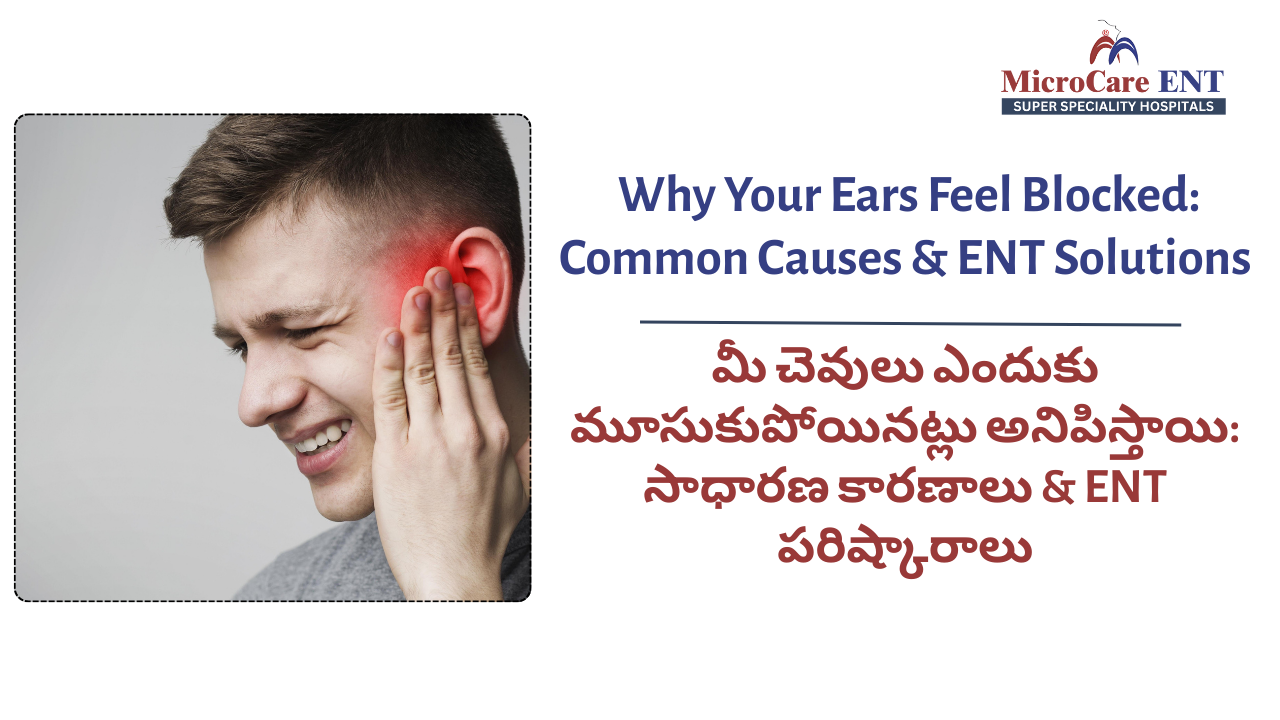
Do you ever wonder why your ears feel blocked even though nothing seems wrong from the outside? Many people experience sudden or persistent ear blockage due to reasons like wax buildup, infections, allergies, sinus issues, or pressure changes. At MicroCare ENT Hospital, ENT specialists identify the exact cause using advanced tools and offer effective solutions for long-lasting relief.

Ear blockage may feel harmless at first, but if ignored, it can affect your hearing, balance, and day-to-day comfort. Some people describe it as a clogged, heavy, or muffled feeling that makes conversations difficult. Others experience popping sounds while swallowing or yawning. Understanding why your ears feel blocked helps you know when home remedies are enough—and when it’s time to seek an ENT specialist. Regular evaluation ensures the problem is treated early before it develops into infections, fluid buildup, or hearing loss.

Published By microcareenthospitals.com / Updated: NOV 25, 2025

🟧 Why Your Ears Feel Blocked: Most Common Causes

1. Earwax (Cerumen) Buildup

This is the most common reason why your ears feel blocked. When earwax becomes impacted, it blocks the ear canal, causing:

  • Muffled hearing

  • Fullness in the ear

  • Itching

  • Mild discomfort

Never use cotton buds—they push wax deeper. ENT specialists remove it safely and painlessly.


2. Middle Ear Fluid (Glue Ear)

Fluid buildup behind the eardrum causes ear fullness, hearing problems, and discomfort. This often happens after colds, sinusitis, or allergies. Children are especially prone, but adults can experience it too.


3. Eustachian Tube Dysfunction (ETD)

When the Eustachian tube fails to regulate pressure, your ear may feel clogged or pop frequently. Causes include:

  • Allergies

  • Sinus infections

  • Pollution

  • Air travel

  • Altitude changes

ETD is one of the major reasons why your ears feel blocked.


4. Ear Infections

Outer or middle ear infections cause swelling and fluid buildup, leading to:

  • Pain

  • Redness

  • Fever

  • Blocked sensation

Immediate ENT care prevents complications.


5. Sinus Problems

Blocked sinuses affect the Eustachian tube and create pressure changes. Symptoms include:

  • Nasal congestion

  • Headache

  • Ear fullness

  • Postnasal drip

This is a common cause in adults with chronic sinusitis.


6. Sudden Pressure Changes (Airplane Ear)

Flying, scuba diving, or driving in high altitudes can temporarily block your ears due to pressure imbalance.


7. Allergies

Allergic reactions cause swelling in the nose and throat, which affects the ears. Symptoms include:

  • Itchy ears

  • Blocked ears

  • Sneezing

  • Nasal congestion


8. Hearing Loss

Sometimes, why your ears feel blocked may actually be early hearing loss. Age-related or noise-induced hearing loss can create a sensation of ear fullness.

🟩 ENT Solutions for Blocked Ears at MicroCare ENT Hospital

✔ Professional Earwax Removal

Safe cleaning without damaging the ear canal.

✔ Medication for Infections

Antibiotics, ear drops, or anti-inflammatory medicines.

✔ Treatment for Eustachian Tube Dysfunction

Nasal sprays, steam inhalation, or balloon dilation procedures.

✔ Sinus Treatment

For ear blockage caused by sinus infections, advanced treatments like Balloon Sinuplasty or FESS offer fast relief.

✔ Allergy Management

Anti-allergy medicines, lifestyle changes, and immunotherapy.

✔ Hearing Tests

Audiometry helps detect hearing loss early.

🟦 When to See an ENT Specialist

Visit MicroCare ENT Hospital if:

  • Your ears feel blocked for more than 48 hours

  • You have sudden hearing loss

  • There is pain, fluid discharge, or fever

  • You frequently experience blocked ears

  • Home remedies don’t help

Early ENT evaluation prevents complications and restores normal hearing.

🟧 How Ear Anatomy Plays a Role in Ear Blockage

To understand why your ears feel blocked, it helps to know how the ear works. The ear has three parts—outer ear, middle ear, and inner ear. The Eustachian tube connects the middle ear to the throat and regulates air pressure. When this tube gets blocked due to allergies, infections, or sinus swelling, pressure builds up inside the ear. This leads to a stuffed or clogged feeling, reduced hearing, and sometimes mild pain. ENT specialists at MicroCare ENT Hospital evaluate each part of the ear to identify which structure is affected and why the blockage is happening.

🟩 Symptoms That Often Accompany Blocked Ears

  • Blocked ears are rarely an isolated symptom. Most people also experience:

    • A popping or crackling sound

    • Muffled or reduced hearing

    • Pressure or heaviness in the ear

    • Ringing sound (tinnitus)

    • Discomfort when chewing or swallowing

    • Dizziness or balance issues in some cases

    If these symptoms continue for more than a few days, it’s important to get checked because they may indicate a deeper ENT issue.

🟦 How Allergies Can Cause Ear Blockage

Seasonal allergies and dust allergies are major contributors to why your ears feel blocked. Allergies cause swelling inside the nose and throat, which narrows the Eustachian tube. This leads to trapped air and fluid inside the ear. Children are especially prone to allergy-induced ear blockage because their Eustachian tubes are shorter and less developed. Managing allergies early helps prevent repeated blockage, sinus pressure, and ear infections.

🟧 Is It Normal for Ears to Feel Blocked After a Cold?

Yes—blocked ears after a cold are common. When you have a cold or viral infection, the nasal lining swells, mucus production increases, and the Eustachian tube becomes congested. This is why your ears feel blocked during or after respiratory infections. The good news is that this usually resolves within a few days, but if it lasts longer, it may indicate fluid buildup or secondary infection requiring ENT care.

🟩 How Sinus Health Affects Your Ears

Your sinus cavities and ears are closely connected. When sinuses are inflamed, pressure builds and affects the Eustachian tube. This explains why your ears feel blocked during sinus infections. Treating sinus issues—rather than only treating the ear—often provides long-term relief. At MicroCare ENT Hospital, doctors assess sinus-ear connections using nasal endoscopy or imaging to identify the exact cause of persistent ear blockage.

🟩 Preventing Ear Blockage: ENT-Approved Tips

To reduce the chances of ear blockage:

  • Avoid inserting anything into the ear canal

  • Keep allergies under control

  • Stay hydrated

  • Perform regular steam inhalation

  • Treat colds and sinus infections early

  • Avoid sudden altitude changes when sick

  • Maintain ear hygiene

  • Schedule routine ENT check-ups

These steps can significantly reduce how often your ears feel blocked.

🟦 Why MicroCare ENT Hospital Is the Right Place for Ear Blockage Treatment

MicroCare ENT Hospital provides:

  • Advanced ear examination tools

  • Safe and painless earwax removal

  • Expert treatment for ETD and sinus issues

  • Hearing tests for early detection

  • Allergy testing and management

  • Child-friendly pediatric ENT care

The ENT team ensures accurate diagnosis and effective solutions so you never have to wonder why your ears feel blocked again.

🟧 Conclusion

Knowing why your ears feel blocked helps you understand when to take action. Whether it’s earwax, infection, sinus issues, or hearing loss, ENT specialists at MicroCare ENT Hospital offer the right diagnosis and treatment to help you hear clearly and comfortably again.

From MicroCare ENT Hospital to your inbox

Sign up for free and stay up to date on research advancements, health tips, current health topics, and expertise on managing health.

📞 Book Your Consultation Now

Call us: +91- 94 94 94 0725
appointments@microcareenthospitals.com
www.microcareenthospitals.com

To learn more about ent, visit our page on MicroCare ENT hospital

Watch our Related Videos

How Weather Changes Affect Your Sinus Health

cochlear implant

How weather changes affect your sinus health during cold, heat, or humidity

How Weather Changes Affect Your Sinus Health

At microcare ent hospital, we often see patients whose sinus symptoms worsen during specific weather conditions. Understanding How Weather Changes Affect Your Sinus Health helps you manage congestion, pressure, headaches, and allergies more effectively. Weather shifts can irritate sinus tissues, inflame nasal passages, and trigger mucus buildup—leading to discomfort, blocked nose, and recurring sinus issues.

Weather has a powerful influence on sinus health. Sinuses are air-filled cavities that rely on proper airflow and drainage to stay healthy. When temperature, humidity, or air pressure changes suddenly, these delicate tissues can become inflamed or irritated.

Published By microcareenthospitals.com / Updated: NOV 24, 2025

⭐ Cold Weather and Your Sinuses

Cold air dries out the nose and sinus lining, causing inflammation. As the mucous membrane becomes dry, it thickens to protect itself, leading to blocked airflow, sinus pressure, and headaches. People with chronic sinusitis often experience flare-ups during winter.

⭐ Heat & Humidity Effects

Hot weather increases moisture in the air, making mucus thicker and slowing drainage. High humidity can also trigger allergies and fungal growth, causing symptoms like sinus pressure, fatigue, and nasal congestion.

⭐ Rainy Weather & Low Pressure

Rainy days increase mold spores, a common sinus irritant. Low atmospheric pressure during storms can cause sinus cavities to feel tight or full, resulting in sinus headaches. Many people experience increased sinus pressure when it rains.

⭐ Seasonal Allergies & Sinus Health

Season transitions—especially spring and winter—bring pollen, dust, and pollution. These allergens can inflame the sinus lining and cause congestion, watery eyes, sneezing, or sinus infections. Children and adults with allergies often notice symptoms worsening during weather shifts.

⭐ Tips to Protect Your Sinus Health During Weather Changes

  • Use a humidifier in dry seasons

  • Stay hydrated to thin mucus

  • Use saline nasal sprays for moisture

  • Limit outdoor exposure on high-pollen days

  • Maintain indoor air quality with air purifiers

  • Wear a mask outdoors during dust or pollution

  • Seek ENT evaluation if symptoms persist

Consistent care avoids long-term sinus complications.

⭐ How Air Pressure Influences Sinus Pain

Changes in air pressure can significantly affect sinus cavities. When atmospheric pressure drops—especially before rain or storms—the pressure inside your sinus cavities remains the same. This creates a pressure imbalance, causing headaches, facial pain, and a feeling of fullness in the cheeks or forehead. People with sinusitis are more sensitive to these changes because their sinus passages are already inflamed.

⭐ Why People With Sinusitis Are More Sensitive to Weather Changes

Individuals with chronic sinusitis or nasal allergies tend to have swollen sinus tissues throughout the year. When weather shifts occur, these tissues react more strongly, causing quick flare-ups. Even mild humidity changes or cool air can trigger symptoms like post-nasal drip, sneezing, or sinus pressure. Consistent care, allergy control, and ENT follow-ups help reduce sensitivity.

⭐ Indoor Air Quality Matters Too

Weather changes not only affect outdoor air but also indoor environments. Air conditioning, heaters, and closed windows reduce ventilation and dry the air. Dry indoor air irritates nasal passages, while stale indoor air increases dust and allergens. Using humidifiers, maintaining AC filters, and improving ventilation can keep your home sinus-friendly.

⭐ Foods That Help During Sinus Flare-Ups

Eating the right foods during weather-triggered sinus discomfort can provide natural relief. Warm liquids, ginger, turmeric, garlic, and vitamin C-rich foods help reduce inflammation. Spicy foods temporarily open nasal passages, helping you breathe better. Staying hydrated thins mucus and prevents blockages.

⭐ When to Visit an ENT Specialist

If sinus symptoms last longer than 10 days, recur frequently with weather changes, or interfere with your daily activities, it’s important to consult an ENT specialist. At microcare ent hospital, our sinus experts evaluate the root cause—whether it’s allergies, structural issues, or chronic infections—to create a personalized treatment plan. Early diagnosis prevents complications like sinus infections, sleep disturbances, and breathing difficulty.

⭐ Long-Term Management for Sinus Health

Managing sinus issues caused by weather involves a combination of lifestyle adjustments, allergy control, hydration, and medical care when needed. Regular saline rinses, steam inhalation, and avoiding sudden temperature exposure help maintain sinus comfort. For chronic sinusitis, advanced treatments such as FESS or Balloon Sinuplasty may be recommended for long-term relief.

From MicroCare ENT Hospital to your inbox

Sign up for free and stay up to date on research advancements, health tips, current health topics, and expertise on managing health.

📞 Book Your Consultation Now

Call us: +91- 94 94 94 0725
appointments@microcareenthospitals.com
www.microcareenthospitals.com

To learn more about ent, visit our page on MicroCare ENT hospital

Watch our Related Videos

Adenoid Problems in Children – Symptoms, Causes & Treatment

cochlear implant

Adenoid Problems in Children ENT examination for diagnosis

Adenoid Problems in Children

At microcare ent hospital, we often meet parents concerned about their child’s breathing or sleep issues. Understanding Adenoid Problems in Children is essential because enlarged or infected adenoids can affect breathing, sleep, speech, and overall health. This guide explains the symptoms, causes, and treatment options to help parents make informed decisions.

Adenoids are small lymphatic tissues located behind the nose. They help fight infections in early childhood but can become enlarged or repeatedly infected. Adenoid Problems in Children are common between ages 2 to 10 and can affect daily life if not treated early.

Published By microcareenthospitals.com / Updated: NOV 21, 2025

⭐ Common Symptoms of Adenoid Problems

Parents should watch for:

  • Mouth breathing instead of nose breathing

  • Loud snoring during sleep

  • Blocked nose

  • Frequent sinus or ear infections

  • Daytime tiredness

  • Sleep apnea or pauses in breathing

  • Nasal-sounding speech

  • Difficulty swallowing

When adenoids are enlarged, they obstruct airflow and can cause sleep, breathing, and speech issues.

⭐ Causes of Enlarged Adenoids

Adenoid enlargement may occur due to:

  • Repeated throat or sinus infections

  • Allergies

  • Exposure to pollutants

  • Viral infections

  • Immune system response in young children

As children grow, adenoids naturally shrink, but severe issues require medical attention.

⭐ How Adenoid Problems Affect Children

Enlarged adenoids can impact:

  • Breathing (leading to the child always breathing through the mouth)

  • Sleep quality (snoring or sleep apnea)

  • Hearing (ear fluid build-up or infections)

  • Speech clarity

  • Facial growth (long face or narrow palate)

Early ENT evaluation prevents long-term issues.

⭐ Diagnosis at microcare ent hospital

Our specialists use:

  • Nasal endoscopy

  • X-ray (lateral neck view)

  • Sleep study (if needed)

  • Hearing tests (for related ear problems)

These help determine the severity of adenoid enlargement.

⭐ Treatment Options

Treatment depends on the severity:

1. Medication

  • Nasal steroid sprays

  • Antibiotics (for infections)

  • Anti-allergy treatment

2. Adenoidectomy (Adenoid Removal Surgery)

A safe, quick procedure recommended when:

  • Breathing is severely affected

  • Recurrent sinus or ear infections occur

  • Sleep apnea is present

  • Hearing is affected due to ear fluid

Recovery is usually smooth, and children breathe and sleep better within days.

⭐ Long-Term Outlook for Children With Adenoid Problems

With proper diagnosis and timely treatment, most children recover fully from adenoid-related issues. Early care helps prevent complications such as speech delays, chronic ear infections, and sleep disturbances. As children grow, their adenoids naturally shrink, reducing the chances of future problems. However, regular monitoring by an ENT specialist ensures your child maintains healthy breathing, hearing, and sleep patterns as they develop.

⭐ Supporting Your Child’s ENT Health

Parents play a vital role in noticing early signs such as loud snoring, mouth breathing, or frequent throat infections. Maintaining good nasal hygiene, managing allergies, and scheduling regular ENT check-ups helps protect your child from recurring problems. If your child continues to face breathing or sleep difficulties, seeking timely care at microcare ent hospital ensures expert evaluation, personalized treatment, and long-term improvement in overall ENT health.

From MicroCare ENT Hospital to your inbox

Sign up for free and stay up to date on research advancements, health tips, current health topics, and expertise on managing health.

📞 Book Your Consultation Now

Call us: +91- 94 94 94 0725
appointments@microcareenthospitals.com
www.microcareenthospitals.com

To learn more about ent, visit our page on MicroCare ENT hospital

Watch our Related Videos

Cochlear Implant Benefits Explained – Hearing Improvement & Outcomes

cochlear implant

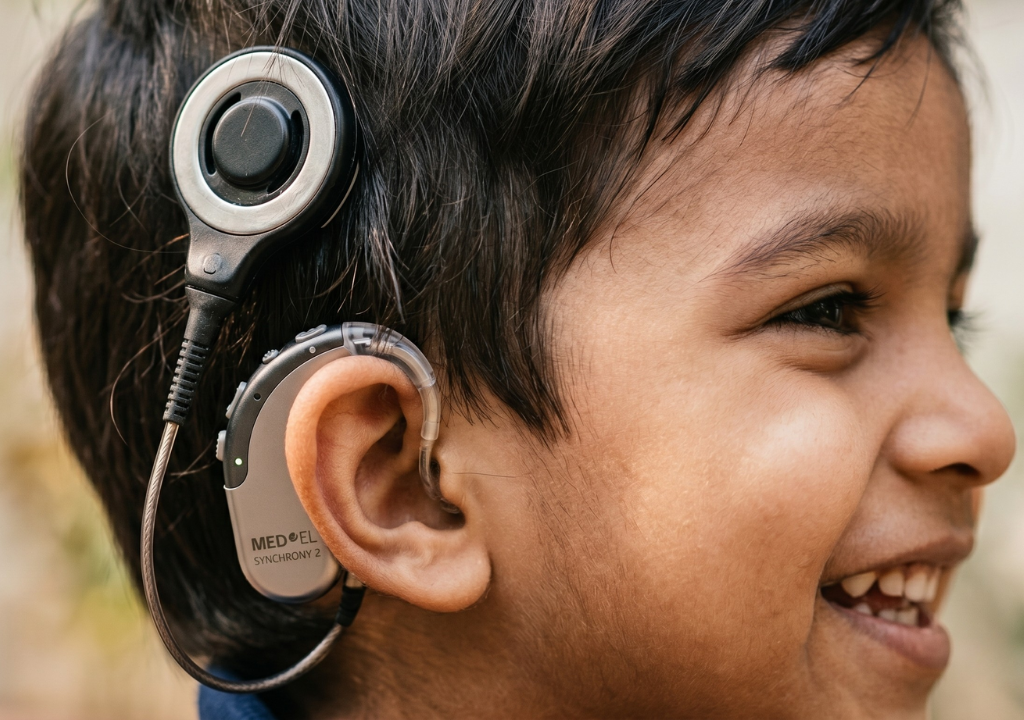
Cochlear Implant Benefits Explained with a child wearing a cochlear implant during an ENT consultation

Cochlear Implant Benefits

At microcare ent hospital, we want every patient to understand their hearing options clearly. Cochlear Implant Benefits Explained helps individuals with severe or profound hearing loss discover how cochlear implants can restore hearing, improve communication, and enhance daily life. This guide explains how they work and why they are often life-changing.

Published By microcareenthospitals.com / Updated: OCT 14, 2025

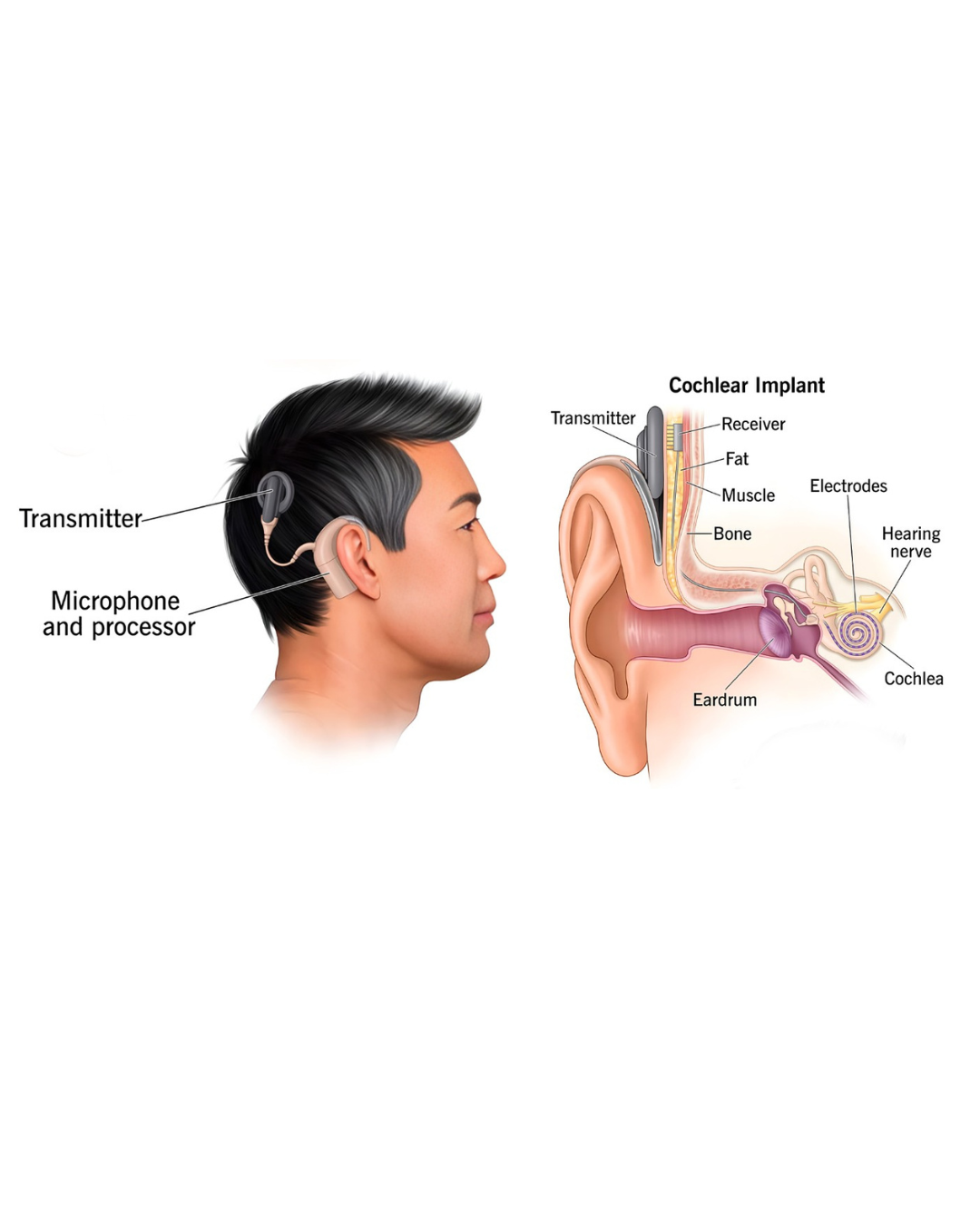
Cochlear implants are advanced hearing devices designed for people who do not benefit enough from regular hearing aids. Instead of amplifying sound, cochlear implants directly stimulate the auditory nerve, allowing the brain to interpret sound signals more accurately. Understanding how cochlear implants work and their advantages can help patients and parents make informed decisions.

How Cochlear Implants Work

Cochlear implants bypass damaged parts of the inner ear and deliver sound signals directly to the hearing nerve. This modern technology helps individuals access clearer sound, speech, and environmental awareness.

⭐ Top Benefits of Cochlear Implants

1. Improved Speech Understanding

One of the greatest benefits is the significant improvement in speech clarity, especially in quiet environments. Patients learn to recognize sounds better and communicate more fluently.

2. Better Sound Awareness

Cochlear implants help individuals detect important sounds such as alarms, doorbells, traffic, and voices—improving safety and independence.

3. Enhanced Quality of Life

Many patients experience emotional relief as communication becomes easier, reducing frustration and social withdrawal.

4. Support for Language Development in Children

Children who receive cochlear implants early often see faster development in speech, language, and cognitive skills.

5. Effective Even When Hearing Aids Fail

Cochlear implants are often recommended when advanced hearing aids no longer provide benefits.

⭐ Who Can Benefit from Cochlear Implants?

  • Children with severe-to-profound hearing loss

  • Adults with sensorineural hearing loss

  • Individuals who struggle even with high-power hearing aids

  • Patients with difficulty understanding speech

Proper assessment at microcare ent hospital ensures the best treatment plan.

⭐ What to Expect During a Cochlear Implant Evaluation

Before receiving a cochlear implant, patients undergo a detailed assessment to determine eligibility. At microcare ent hospital, this includes a complete hearing test, speech recognition assessment, imaging scans such as CT or MRI, and a consultation with an ENT surgeon and audiologist. These evaluations help identify the extent of hearing loss and ensure the implant will provide maximum benefit.

⭐ Cochlear Implant Surgery – A Safe & Reliable Procedure

Cochlear implant surgery is a well-established procedure with a high success rate. It is usually performed under general anesthesia and takes about 1–2 hours. Most patients return home the same day or the next day. Recovery is generally smooth, and children typically resume normal activities quickly.

⭐ Activation & Mapping of the Cochlear Implant

Four to six weeks after surgery, the implant is activated. During this session, the audiologist programs the device—a process known as “mapping.” Mapping ensures the sound signals delivered by the implant match the patient’s comfort levels and hearing needs. Multiple follow-up sessions fine-tune the implant for the best hearing results.

⭐ Rehabilitation & Training After Cochlear Implantation

Rehabilitation plays a crucial role in maximizing the benefits of cochlear implants. Patients—especially children—participate in auditory training, speech therapy, and listening exercises to improve understanding and communication skills. Consistent therapy helps the brain adapt to new sound signals more efficiently.

⭐ Long-Term Success & Hearing Improvement

Many patients experience continuous improvement in hearing over months and even years. Cochlear implants allow users to understand speech better in conversations, follow classroom instructions, enjoy music, and participate confidently in social activities. For children, early implantation often leads to better language, academic performance, and communication development.

⭐ Potential Risks & Considerations

Like any medical procedure, cochlear implants come with some risks, such as infection, dizziness, or device failure, but these are uncommon. Regular follow-ups at microcare ent hospital help ensure the implant continues to work safely and effectively.

To learn more about related ENT conditions and treatments, explore our detailed guides on Sinus Treatment Causes & Remedies, Tonsils Treatment in Hyderabad, and our complete range of ENT Services offered at MicroCare ENT Hospital.

From MicroCare ENT Hospital to your inbox

Sign up for free and stay up to date on research advancements, health tips, current health topics, and expertise on managing health.

📞 Book Your Consultation Now

Call us: +91- 94 94 94 0725
appointments@microcareenthospitals.com
www.microcareenthospitals.com

To learn more about ent, visit our page on MicroCare ENT hospital

Watch our Related Videos