




Sinus Symptoms You Should Not Ignore | Expert ENT Guide

ENT

sinus headache facial pain pressure nose blockage Hyderabad

Sinus-related problems are often mistaken for common colds or minor allergies. However, persistent or severe symptoms may indicate sinusitis, a condition that requires timely medical attention.

Understanding the sinus symptoms you should not ignore can help prevent complications and ensure early, effective treatment.

At MicroCare ENT Hospital & Research Institute, Hyderabad, we specialize in diagnosing and managing sinus conditions with a comprehensive, patient-focused approach.

Published By microcareenthospitals.com / Updated: April 07, 2026

What Are Sinuses and Why Do They Matter?

Sinuses are air-filled cavities located within the facial bones. They play an important role in:

  • Filtering and humidifying air
  • Enhancing voice resonance
  • Supporting immune defense

When these cavities become inflamed or blocked, it can lead to sinusitis, causing discomfort and affecting daily life.

Key Sinus Symptoms You Should Not Ignore

While mild sinus issues may resolve on their own, the following symptoms require medical evaluation:

Persistent Nasal Congestion

A blocked or stuffy nose lasting more than 7–10 days may indicate sinus inflammation rather than a simple cold.

Facial Pain and Pressure

Pain around the forehead, cheeks, eyes, or nose is a hallmark symptom of sinusitis and should not be overlooked.

Frequent Headaches

Sinus headaches typically worsen when bending forward and are often accompanied by facial pressure.

Thick Nasal Discharge

Yellow or green nasal discharge may suggest infection and requires proper diagnosis.

Post-Nasal Drip

A constant sensation of mucus dripping down the throat can cause irritation and coughing.

Reduced Sense of Smell

Loss or reduction in smell is a common symptom of sinus blockage.

Fatigue and General Discomfort

Chronic sinus issues can lead to tiredness and reduced productivity.

When Should You See an ENT Specialist?

It is important to consult an ENT specialist if:

  • Symptoms persist beyond 10 days
  • Symptoms worsen instead of improving
  • You experience severe headache or facial pain
  • There is recurring sinus infection
  • Over-the-counter medications do not provide relief

Early intervention can prevent complications such as chronic sinusitis.

How Sinus Conditions Are Diagnosed

At MicroCare ENT Hospital, Hyderabad, we use advanced diagnostic techniques including:

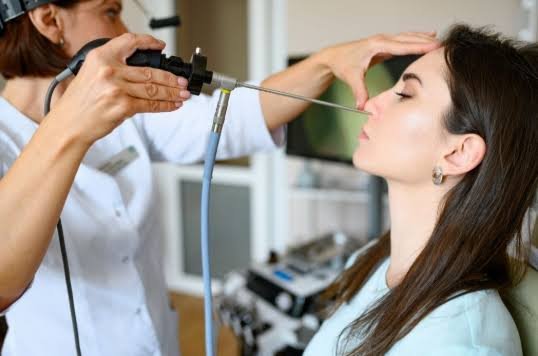
  • Nasal Endoscopy for detailed internal examination
  • Imaging (CT Scan) when required
  • Clinical evaluation of symptoms

This ensures accurate diagnosis and targeted treatment.

Treatment Options for Sinusitis

Treatment depends on the severity and cause of the condition:

Medical Management

  • Antibiotics (if bacterial infection)
  • Anti-allergy medications
  • Nasal sprays and decongestants

Advanced Treatment

For chronic or severe cases:

Why Choose MicroCare ENT Hospital?

MicroCare ENT is a trusted center for sinus care in Hyderabad, offering:

  • Experienced ENT specialists
  • Advanced diagnostic facilities
  • Personalized treatment plans
  • Focus on long-term sinus health
  • Patient-centric care approach

Preventive Measures for Sinus Health

Maintaining sinus health can reduce the risk of infection:

  • Stay hydrated
  • Avoid allergens and pollutants
  • Practice nasal hygiene
  • Treat colds and allergies early

Final Thoughts

Recognizing the sinus symptoms you should not ignore is the first step toward effective treatment. Early diagnosis and expert care can significantly improve outcomes and prevent chronic conditions.

If you are experiencing persistent sinus symptoms, seeking professional evaluation is highly recommended.

From MicroCare ENT Hospital to your inbox

Sign up for free and stay up to date on research advancements, health tips, current health topics, and expertise on managing health.

📞 Book Your Consultation Now

Call us: +91- 94 94 94 0725
appointments@microcareenthospitals.com
www.microcareenthospitals.com

To learn more about ear, visit our page on advanced ear solutions at MicroCare ENT
learn about How snoring effects your health

Watch our Related Videos

Viral Videos

Playlist

8 Videos

Sinusitis Treatment in Kukatpally Hyderabad | Best ENT Care Near You

ENT

sinusitis treatment in Kukatpally Hyderabad ENT specialist nasal endoscopy

Sinusitis is a common condition that causes inflammation of the sinuses, leading to symptoms like nasal blockage, facial pain, headache, and breathing difficulty. If you’re searching for sinusitis treatment in Kukatpally Hyderabad or KPHB Colony, getting timely care from an experienced ENT specialist is essential for long-term relief.

At MicroCare ENT Hospital, Kukatpally Hyderabad, we provide advanced diagnosis and personalized treatment for both acute and chronic sinusitis.

Published By microcareenthospitals.com / Updated: April 06, 2026

What Is Sinusitis?

Sinusitis occurs when the sinus cavities become inflamed due to infection, allergies, or structural issues.

Types of Sinusitis:

  • Acute Sinusitis (short-term)
  • Chronic Sinusitis (lasting more than 12 weeks)
  • Recurrent Sinusitis (frequent episodes)

Patients from KPHB, Kukatpally, and nearby Hyderabad areas often experience sinus problems due to pollution, allergies, and lifestyle factors.

Common Symptoms of Sinusitis

Recognizing symptoms early helps in effective treatment.

Key Symptoms:

  • Nasal congestion or blockage
  • Facial pain or pressure
  • Headache (especially in forehead area)
  • Thick nasal discharge
  • Post-nasal drip
  • Reduced sense of smell
  • Fatigue

If you notice these symptoms, consult an ENT specialist in Kukatpally Hyderabad for evaluation.

Causes of Sinusitis

Sinusitis can occur due to multiple reasons:

Common Causes:

  • Viral or bacterial infections
  • Allergies
  • Deviated nasal septum
  • Nasal polyps
  • Pollution and environmental factors

At MicroCare ENT Kukatpally, we identify the exact cause using advanced diagnostic methods.

Sinusitis Treatment in Kukatpally & KPHB Hyderabad

Treatment depends on the severity and type of sinusitis.

1. Medical Treatment

  • Antibiotics (if bacterial infection)
  • Anti-allergic medications
  • Nasal sprays and decongestants
  • Pain relief medicines

2. Advanced Diagnosis

At MicroCare ENT, we use:

  • Nasal Endoscopy
  • CT Scan (if required)

These help in accurate diagnosis and targeted treatment.

3. Surgical Treatment (FESS)

For chronic or severe cases, Functional Endoscopic Sinus Surgery (FESS) may be recommended.

  • Minimally invasive
  • Faster recovery
  • Long-term relief

We offer advanced sinus surgery in Kukatpally Hyderabad with high success rates.

When Should You See an ENT Specialist?

Consult an ENT doctor if you have:

  • Symptoms lasting more than 10 days
  • Frequent sinus infections
  • Severe headache or facial pain
  • Breathing difficulty
  • No relief with medications

Patients from KPHB, Kukatpally, and surrounding Hyderabad areas can visit MicroCare ENT for expert care.

Why Choose MicroCare ENT Hospital in Kukatpally Hyderabad?

 MicroCare ENT is a leading center for sinusitis treatment in Kukatpally Hyderabad, offering:

  • Experienced ENT specialists
  • Advanced endoscopic diagnosis
  • Personalized treatment plans
  • Modern surgical techniques
  • Convenient location in KPHB Colony

We focus on both symptom relief and long-term sinus health.

Tips to Prevent Sinusitis

  • Avoid allergens and pollution
  • Stay hydrated
  • Use steam inhalation
  • Maintain nasal hygiene
  • Treat colds early

Final Thoughts

Sinusitis can significantly affect your quality of life if left untreated. Early diagnosis and proper care can prevent complications and ensure lasting relief.

If you’re looking for sinusitis treatment in Kukatpally Hyderabad, consult an expert ENT specialist at MicroCare ENT Hospital for the best care.

From MicroCare ENT Hospital to your inbox

Sign up for free and stay up to date on research advancements, health tips, current health topics, and expertise on managing health.

📞 Book Your Consultation Now

Call us: +91- 94 94 94 0725
appointments@microcareenthospitals.com
www.microcareenthospitals.com

To learn more about ear, visit our page on advanced ear solutions at MicroCare ENT
learn about How snoring effects your health

Watch our Related Videos

Viral Videos

Playlist

8 Videos

Ear Pain Treatment in Kukatpally Hyderabad | Causes & ENT Care

ENT

ear pain treatment in Kukatpally KPHB Hyderabad ENT specialist

Ear pain can be uncomfortable and sometimes severe, affecting both children and adults. It may arise from infections, blockages, or underlying ENT conditions.

If you’re experiencing ear discomfort and searching for ear pain treatment in Kukatpally Hyderabad or KPHB Colony, early diagnosis by an ENT specialist is essential to prevent complications.

At MicroCare ENT Hospital, Kukatpally & KPHB Hyderabad, we provide advanced care for all types of ear-related problems.

Published By microcareenthospitals.com / Updated: April 04, 2026

What Is Ear Pain?

Ear pain (otalgia) can occur in one or both ears and may range from mild discomfort to sharp, severe pain. It can be caused by issues within the ear or from nearby structures like the throat or jaw.

Patients from KPHB, Kukatpally, and surrounding Hyderabad areas commonly visit ENT specialists for ear pain evaluation.

Common Causes of Ear Pain

Understanding the cause helps in effective treatment.

 1. Ear Infections

  • Middle ear infection (otitis media)
  • Outer ear infection (swimmer’s ear)

These are among the most common reasons for ear pain in Kukatpally Hyderabad, especially in children.

 2. Earwax Blockage

Excessive earwax can block the ear canal, causing:

  • Pain
  • Hearing difficulty
  • Fullness sensation

Professional ear cleaning at an ENT clinic in KPHB Hyderabad is recommended.

 3. Sinus Infections

Sinus pressure can cause referred ear pain due to connected pathways between the nose and ears.

Patients seeking ENT care in Kukatpally often experience this during seasonal changes.

 4. Throat Infections (Tonsillitis or Pharyngitis)

Infections in the throat can radiate pain to the ears.

This is a common reason patients in KPHB and Kukatpally Hyderabad report ear pain without ear infection.

 5. Dental Problems

Tooth infections, impacted wisdom teeth, or gum issues can cause ear pain.

 6. Eustachian Tube Dysfunction

When the tube connecting the ear and nose is blocked, it can cause:

  • Pressure
  • Pain
  • Hearing changes

 7. Injury or Trauma

  • Use of earbuds or sharp objects
  • Sudden pressure changes

Symptoms Associated with Ear Pain

Ear pain may be accompanied by:

  • Hearing loss
  •  Ear discharge
  •  Fever
  •  Dizziness
  •  Fullness in the ear
  •  Ringing sound (tinnitus)

If you notice these symptoms, consult an ENT specialist in Kukatpally or KPHB Hyderabad immediately.

Ear Pain Treatment in Kukatpally & KPHB Hyderabad

Treatment depends on the underlying cause.

 Medical Treatment

  • Antibiotics (for infections)
  • Pain relief medications
  • Ear drops

 ENT Procedures

  • Earwax removal
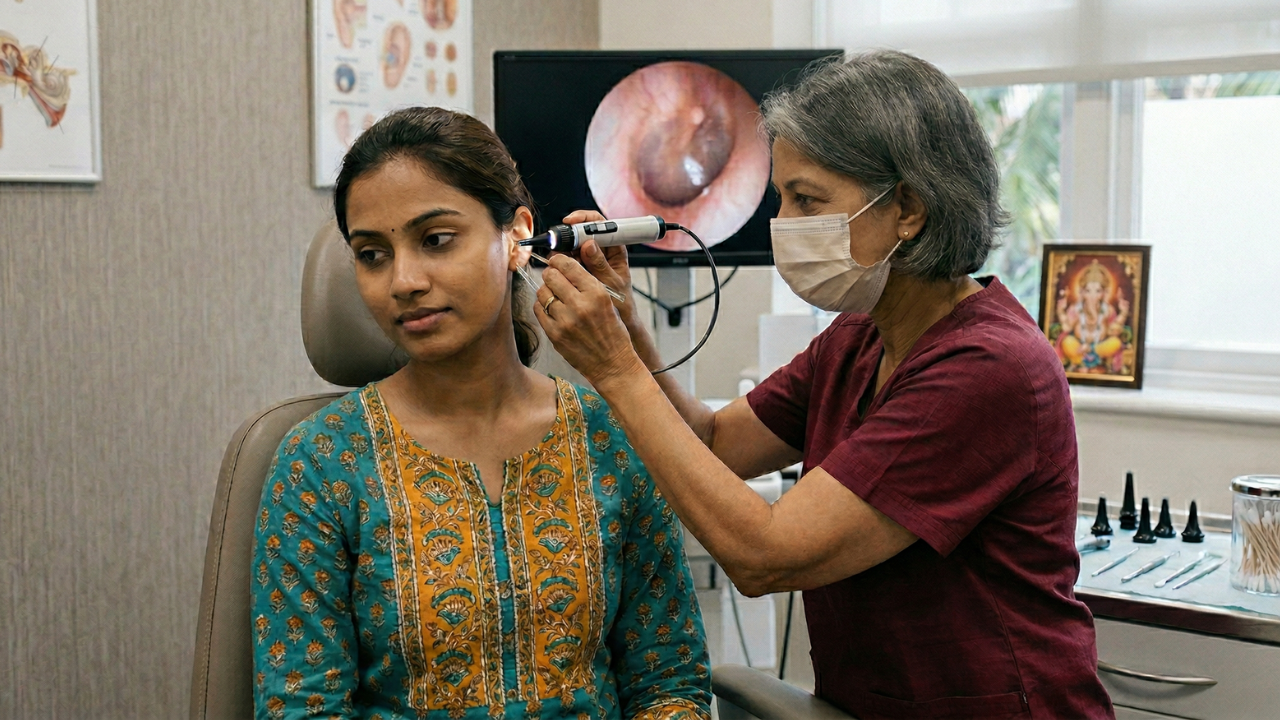
  • Endoscopic ear examination
  • Infection management

At MicroCare ENT Hospital Kukatpally, we use advanced diagnostic tools to identify the exact cause and provide targeted treatment.

Why Choose MicroCare ENT Hospital in Kukatpally Hyderabad?

MicroCare ENT is a trusted center for ear pain treatment in Kukatpally Hyderabad, offering:

  • Experienced ENT specialists
  • Advanced diagnostic equipment
  • Accurate diagnosis
  • Personalized treatment plans
  • Convenient location in KPHB Colony

Prevention Tips for Ear Pain

  • Avoid inserting objects into ears
  • Keep ears dry
  • Treat colds and sinus infections early
  • Maintain good hygiene
  • Regular ENT check-ups

Final Thoughts

Ear pain can have multiple causes, and ignoring it may lead to complications. Early diagnosis and proper treatment are essential.

If you are searching for ear pain treatment in Kukatpally or KPHB Hyderabad, consult an expert ENT specialist for accurate diagnosis and effective care.

From MicroCare ENT Hospital to your inbox

Sign up for free and stay up to date on research advancements, health tips, current health topics, and expertise on managing health.

📞 Book Your Consultation Now

Call us: +91- 94 94 94 0725
appointments@microcareenthospitals.com
www.microcareenthospitals.com

To learn more about ear, visit our page on advanced ear solutions at MicroCare ENT
learn about How snoring effects your health

Watch our Related Videos

Viral Videos

Playlist

8 Videos

Tonsillitis Treatment in Kukatpally Hyderabad | Symptoms & ENT Care

ENT

tonsillitis symptoms sore throat swollen tonsils treatment Kukatpally Hyderabad ENT

Tonsillitis is a common throat infection affecting both children and adults, causing pain, swelling, and difficulty swallowing. If you’re searching for tonsillitis treatment in Kukatpally Hyderabad or KPHB Colony, getting timely care from an experienced ENT specialist is essential.

At MicroCare ENT Hospital, KPHB & Kukatpally Hyderabad, we provide advanced diagnosis and effective treatment for all types of tonsillitis.

Published By microcareenthospitals.com / Updated: April 02, 2026

What Is Tonsillitis?

Tonsillitis occurs when the tonsils become infected due to viruses or bacteria. These tissues help fight infections, but they can themselves become inflamed.

Types include:

  • Acute tonsillitis
  • Recurrent tonsillitis
  • Chronic tonsillitis

Patients in KPHB and Kukatpally areas often seek treatment due to recurring throat infections and seasonal changes.

Common Symptoms of Tonsillitis

  • Recognizing symptoms early helps in faster recovery.

    Key Symptoms:

    🔹 Sore throat
    🔹 Pain while swallowing
    🔹 Red, swollen tonsils
    🔹 White or yellow patches
    🔹 Fever and chills
    🔹 Bad breath
    🔹 Swollen lymph nodes
    🔹 Voice changes

    If you notice these symptoms, visiting an ENT specialist in Kukatpally or KPHB Hyderabad is recommended.

Causes of Tonsillitis

🔹 Viral Causes:

  • Common cold viruses
  • Flu virus
  • Epstein-Barr virus

🔹 Bacterial Causes:

  • Streptococcus (strep throat)

At MicroCare ENT near Kukatpally, we perform accurate diagnosis to determine the cause and provide targeted treatment.

Tonsillitis Treatment in Kukatpally & KPHB Hyderabad

Treatment depends on severity and infection type.

🔹 1. Medications

  • Pain relief medicines
  • Fever reducers
  • Antibiotics (if bacterial)

🔹 2. Home Remedies

  • Warm salt water gargles
  • Hydration
  • Rest

🔹 3. Tonsillectomy Surgery

For recurrent cases, tonsil removal surgery in Kukatpally Hyderabad may be advised.

At MicroCare ENT Hospital KPHB, we offer advanced, minimally invasive tonsillectomy for faster recovery.

When Should You See an ENT Specialist?

Consult a doctor if you have:

❗ Severe throat pain lasting more than 3–4 days
❗ Difficulty swallowing or breathing
❗ High fever
❗ Recurrent infections
❗ Persistent throat discomfort

Patients from KPHB, Kukatpally, and nearby areas can access expert ENT care at MicroCare.

Why Choose MicroCare ENT Hospital in Hyderabad?

MicroCare ENT is a leading center for tonsillitis treatment in Kukatpally Hyderabad, offering:

✔️ Experienced ENT specialists
✔️ Advanced diagnostic facilities
✔️ Personalized treatment plans
✔️ Modern surgical techniques
✔️ Convenient location in KPHB Colony

We ensure both immediate relief and long-term throat health.

Prevention Tips for Tonsillitis

✔️ Maintain proper hygiene
✔️ Wash hands frequently
✔️ Avoid sharing utensils
✔️ Stay hydrated
✔️ Boost immunity

Final Thoughts

Tonsillitis is treatable with proper care and timely diagnosis. If you’re experiencing symptoms, seeking tonsillitis treatment in Kukatpally or KPHB Hyderabad ensures faster recovery and prevents complications.

From MicroCare ENT Hospital to your inbox

Sign up for free and stay up to date on research advancements, health tips, current health topics, and expertise on managing health.

📞 Book Your Consultation Now

Call us: +91- 94 94 94 0725
appointments@microcareenthospitals.com
www.microcareenthospitals.com

To learn more about ear, visit our page on advanced ear solutions at MicroCare ENT
learn about How snoring effects your health

Watch our Related Videos

Viral Videos

Playlist

8 Videos

Nasal Endoscopy After Rhinoplasty in Hyderabad

ENT

ENT specialist performing nasal endoscopy after rhinoplasty to assess healing and nasal airway at MicroCare ENT Hospital in Hyderabad.

What to Expect at 6 Months

Rhinoplasty is not just about improving appearance—it plays a crucial role in restoring proper nasal function. At 6 months after rhinoplasty, a nasal endoscopy helps evaluate internal healing, airway improvement, and structural stability.

At MicroCare ENT Hospital & Research Institute, Hyderabad, we emphasize both functional and aesthetic outcomes, ensuring long-term breathing comfort and natural-looking results.

Published By microcareenthospitals.com / Updated: March 31, 2026

Why Nasal Endoscopy Is Important After Rhinoplasty

A nasal endoscopy after rhinoplasty in Hyderabad allows ENT specialists to closely examine the internal nasal structures using a thin, flexible camera.

This helps to:

  • Assess healing of the nasal septum
  • Check for any internal obstruction
  • Evaluate airflow improvement
  • Identify adhesions or scar tissue
  • Ensure proper structural support

Unlike external appearance, internal healing cannot be seen without endoscopy—making this step essential in post-operative care.

What Happens at 6 Months After Rhinoplasty?

  • By the 6-month mark, most patients experience significant improvements in both function and structure.

    Key Observations:

    ✔️ Straightened and stable nasal septum
    ✔️ Reduced swelling inside the nose
    ✔️ Clear and open nasal passages
    ✔️ Improved breathing and airflow
    ✔️ Healthy mucosal lining
    ✔️ No major obstructions or complications

    At MicroCare ENT in Hyderabad, we use advanced endoscopic evaluation to confirm that healing is progressing as expected.

Benefits of Nasal Endoscopy After Rhinoplasty

A post-rhinoplasty nasal endoscopy provides multiple benefits:

  • Early detection of complications
  • Confirmation of surgical success
  • Better understanding of breathing improvements
  • Peace of mind for patients
  • Guidance for further care if needed

This is especially important in functional rhinoplasty, where breathing correction is a key goal.

How Rhinoplasty Improves Breathing

Many patients undergo rhinoplasty not just for cosmetic reasons but to correct issues like:

  • Deviated nasal septum
  • Nasal obstruction
  • Chronic sinus issues
  • Breathing difficulty

At MicroCare ENT Hospital, our approach combines:

  • Septoplasty
  • Structural correction
  • Airway optimization

This ensures both aesthetic balance and functional improvement.

Why Choose MicroCare ENT for Rhinoplasty in Hyderabad?

MicroCare ENT is a leading center for advanced rhinoplasty and sinus care in Hyderabad, offering:

✔️ Experienced ENT surgeons
✔️ Advanced diagnostic nasal endoscopy
✔️ Personalized treatment plans
✔️ Focus on functional + cosmetic outcomes
✔️ State-of-the-art facilities

We follow a comprehensive approach similar to our expertise in sinus treatments, ensuring complete nasal health restoration.

When Should You Get a Post-Rhinoplasty Endoscopy?

You should consider a nasal endoscopy if you experience:

  • Persistent nasal blockage
  • Difficulty breathing after surgery
  • Unusual discomfort
  • Concerns about healing

Even without symptoms, a routine 6-month check is highly recommended.

Final Thoughts

A nasal endoscopy after rhinoplasty in Hyderabad is a critical step in ensuring successful healing and long-term results.

At 6 months, it provides clear evidence of:

  • Improved airflow
  • Stable internal structures
  • Healthy healing progress

If you are considering rhinoplasty or are in your recovery phase, expert evaluation makes all the difference.

From MicroCare ENT Hospital to your inbox

Sign up for free and stay up to date on research advancements, health tips, current health topics, and expertise on managing health.

📞 Book Your Consultation Now

Call us: +91- 94 94 94 0725
appointments@microcareenthospitals.com
www.microcareenthospitals.com

To learn more about ear, visit our page on advanced ear solutions at MicroCare ENT
learn about How snoring effects your health

Watch our Related Videos

Viral Videos

Playlist

8 Videos

Adult Puberphonia Treatment: Voice Therapy & Surgery | MicroCare ENT Hyderabad

ENT

Adult puberphonia treatment with voice therapy at MicroCare ENT Hospital Hyderabad Telangana

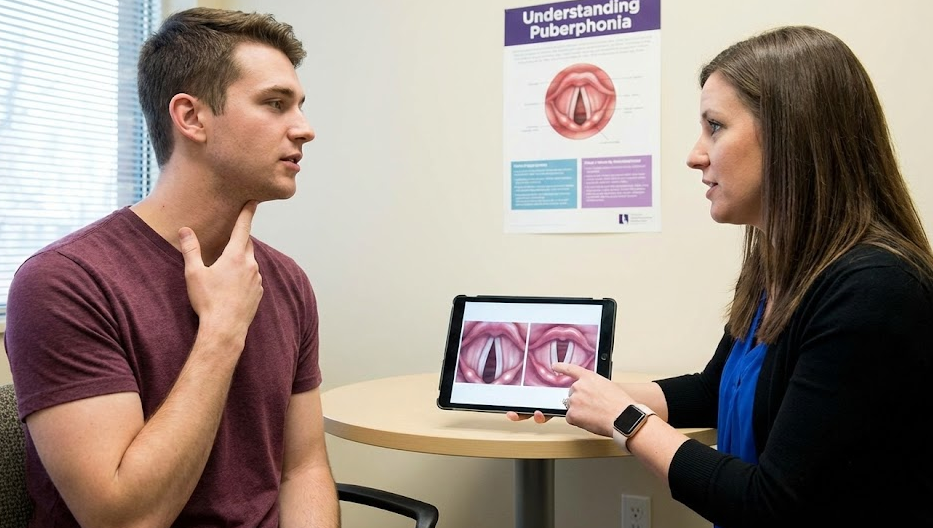
Puberphonia is a voice disorder where the voice remains high-pitched even after puberty, often due to voice habit and throat tension.
At MicroCare ENT Hyderabad, our ENT voice specialists provide detailed vocal cord evaluation and customized voice therapy plans for long-term voice correction.
Many patients notice improvement within a few sessions, while stable voice results may take a few weeks depending on age and severity.
If you are searching for safe and trusted puberphonia treatment in Hyderabad, MicroCare ENT is known as the Best ENT Hospital in Telangana for voice therapy, follow-up support, and advanced care when needed.


Published By microcareenthospitals.com / Updated: Dec 07, 2025

How Many Days Does It Take to Treat Puberphonia?

If your voice stays high-pitched even after puberty, you may have puberphonia, also called mutational falsetto. Many patients and parents ask one common question:

“How many days does it take to treat puberphonia?”

The answer is different for every person. This is because the duration depends on age, severity, voice habits, and how long the problem has existed.

However, the good news is this:
Most puberphonia cases improve well with proper voice therapy and expert guidance.

In this blog, we explain:

  • How long puberphonia treatment takes

  • What affects the timeline

  • What to expect in voice therapy

  • When surgery is considered

  • How to recover faster

Why Does Puberphonia Treatment Duration Vary?

Puberphonia is usually a functional voice disorder. That means the vocal cords are often normal. Still, the person keeps speaking in a higher pitch due to:

  • voice habits

  • throat tension

  • speaking pattern issues

So, the treatment works by changing the habit and training the voice correctly. Because habits vary, treatment duration can also differ.

Factors That Decide the Timeline

Puberphonia treatment depends on:

✅ How early it is diagnosed
✅ How long the high-pitched voice has been present
✅ The level of throat tension while speaking
✅ Daily practice consistency
✅ Response to voice therapy
✅ Need for advanced treatment

How Many Days Does It Take With Voice Therapy?

Voice therapy is the first and most effective treatment for puberphonia in most cases.

✅ 1) Early Cases (Teenagers & Recent Onset)

Teenagers often respond faster because the voice habit is not fixed strongly.

Expected Timeline:

  • noticeable improvement within a few sessions

  • stable correction in a few weeks with practice

Many early cases show voice shift quickly when guided correctly.


✅ 2) Moderate Duration Cases (Young Adults 18–25 Years)

When puberphonia continues beyond teenage years, the habit becomes stronger. Still, most young adults improve well.

Expected Timeline:

  • improvement in several sessions

  • long-term stabilization in weeks to a few months

Daily voice exercises speed up results.


✅ 3) Long-Standing Cases (Adults Above 25 Years)

If puberphonia remains for many years, therapy can still help. However, the progress may be slower.

In long-standing cases:

  • the voice habit becomes deeply fixed

  • throat tension is usually higher

  • voice control is harder to retrain

Expected Timeline:

  • therapy may take several weeks to months

  • improvement may be gradual

  • consistent effort is required

Sometimes, therapy alone may not be enough. So, specialist evaluation becomes important.

Can Puberphonia Be Treated in a Few Days?

Many people want a quick solution. In some cases:

✅ voice change may happen quickly during therapy
✅ improvement can be seen early
✅ but stable results need training and follow-ups

Therefore, even if the voice changes in a short time, the goal is to maintain it naturally every day.

When Does Puberphonia Take Longer to Treat?

Puberphonia treatment may take longer when:

  • the problem exists for many years

  • the patient has anxiety or low confidence

  • throat tension is high

  • voice control remains unstable

  • voice therapy is irregular

  • the voice returns after early improvement

That is why early treatment is always better.

Does Everyone Need Surgery for Puberphonia?

No. Surgery is NOT needed for most cases.

Voice therapy works well for most puberphonia patients. Especially in teenagers and early cases, therapy alone is enough.

However, in selected cases where puberphonia has persisted for years and therapy does not give stable improvement, surgery may be considered.

✅ Surgery May Be Recommended When:

✅ voice therapy is tried properly but fails
✅ voice keeps reverting back
✅ puberphonia persists for many years
✅ evaluation shows clear medical need

An experienced ENT voice specialist will suggest surgery only after a complete diagnosis.

How Many Days Does It Take If Surgery Is Needed?

At MicroCare ENT Hospital and Research Institute, we provide complete puberphonia treatment with:

✅ Expert ENT voice evaluation
✅ Vocal cord assessment
✅ Structured voice therapy programs
✅ Surgery only for resistant long-standing cases
✅ Long-term support and follow-ups

If you want trusted care at the Best ENT Hospital in Telangana, MicroCare ENT offers patient-friendly, effective puberphonia treatment in Hyderabad.

FAQs: How Many Days Does It Take to Treat Puberphonia?

1) How fast does voice therapy work for puberphonia?

Voice therapy can show improvement in early puberphonia cases within a few sessions. However, stable results often need a few weeks of practice and follow-ups.

2) Can puberphonia be cured in one day?

Some voice change can happen quickly. Still, long-term correction needs therapy and practice. If surgery is recommended, the procedure may be done in one day, but recovery and voice care are required.

3) How long does puberphonia treatment take in adults?

In adults, puberphonia treatment may take several weeks to a few months, depending on habit strength, tension level, and therapy response.

4) Why does puberphonia treatment take longer in some cases?

It takes longer when the high-pitched voice is a strong habit, throat tension is high, or therapy practice is irregular. Anxiety and confidence issues may also slow progress.

5) When should surgery be considered?

Surgery is considered only when puberphonia has persisted for many years and does not improve with proper voice therapy. It is recommended only after detailed ENT and voice evaluation.

Conclusion

o, how many days does it take to treat puberphonia?

✅ In early cases, voice therapy may show improvement within a few sessions and become stable in a few weeks.
✅ In adults and long-standing cases, treatment may take weeks to months.
✅ In rare resistant cases, surgery may be considered, followed by voice training.

The best step is to get an accurate evaluation by an experienced ENT voice specialist. That ensures the safest and most effective treatment plan.

From MicroCare ENT Hospital to your inbox

Sign up for free and stay up to date on research advancements, health tips, current health topics, and expertise on managing health.

📞 Book Your Consultation Now

Call us: +91- 94 94 94 0725
appointments@microcareenthospitals.com
www.microcareenthospitals.com

To learn more about ent, visit our page on MicroCare ENT hospital

Watch our Related Videos

Viral Videos

Playlist

10 Videos

How Many Days Does It Take to Treat Puberphonia? | MicroCare ENT Hyderabad

ENT

Puberphonia voice therapy timeline at MicroCare ENT Hyderabad

Puberphonia is a voice disorder where the voice remains high-pitched even after puberty, often due to voice habit and throat tension.
At MicroCare ENT Hyderabad, our ENT voice specialists provide detailed vocal cord evaluation and customized voice therapy plans for long-term voice correction.
Many patients notice improvement within a few sessions, while stable voice results may take a few weeks depending on age and severity.
If you are searching for safe and trusted puberphonia treatment in Hyderabad, MicroCare ENT is known as the Best ENT Hospital in Telangana for voice therapy, follow-up support, and advanced care when needed.


Published By microcareenthospitals.com / Updated: Dec 05, 2025

How Many Days Does It Take to Treat Puberphonia?

If your voice stays high-pitched even after puberty, you may have puberphonia, also called mutational falsetto. Many patients and parents ask one common question:

“How many days does it take to treat puberphonia?”

The answer is different for every person. This is because the duration depends on age, severity, voice habits, and how long the problem has existed.

However, the good news is this:
Most puberphonia cases improve well with proper voice therapy and expert guidance.

In this blog, we explain:

  • How long puberphonia treatment takes

  • What affects the timeline

  • What to expect in voice therapy

  • When surgery is considered

  • How to recover faster

Why Does Puberphonia Treatment Duration Vary?

Puberphonia is usually a functional voice disorder. That means the vocal cords are often normal. Still, the person keeps speaking in a higher pitch due to:

  • voice habits

  • throat tension

  • speaking pattern issues

So, the treatment works by changing the habit and training the voice correctly. Because habits vary, treatment duration can also differ.

Factors That Decide the Timeline

Puberphonia treatment depends on:

✅ How early it is diagnosed
✅ How long the high-pitched voice has been present
✅ The level of throat tension while speaking
✅ Daily practice consistency
✅ Response to voice therapy
✅ Need for advanced treatment

How Many Days Does It Take With Voice Therapy?

Voice therapy is the first and most effective treatment for puberphonia in most cases.

✅ 1) Early Cases (Teenagers & Recent Onset)

Teenagers often respond faster because the voice habit is not fixed strongly.

Expected Timeline:

  • noticeable improvement within a few sessions

  • stable correction in a few weeks with practice

Many early cases show voice shift quickly when guided correctly.


✅ 2) Moderate Duration Cases (Young Adults 18–25 Years)

When puberphonia continues beyond teenage years, the habit becomes stronger. Still, most young adults improve well.

Expected Timeline:

  • improvement in several sessions

  • long-term stabilization in weeks to a few months

Daily voice exercises speed up results.


✅ 3) Long-Standing Cases (Adults Above 25 Years)

If puberphonia remains for many years, therapy can still help. However, the progress may be slower.

In long-standing cases:

  • the voice habit becomes deeply fixed

  • throat tension is usually higher

  • voice control is harder to retrain

Expected Timeline:

  • therapy may take several weeks to months

  • improvement may be gradual

  • consistent effort is required

Sometimes, therapy alone may not be enough. So, specialist evaluation becomes important.

Can Puberphonia Be Treated in a Few Days?

Many people want a quick solution. In some cases:

✅ voice change may happen quickly during therapy
✅ improvement can be seen early
✅ but stable results need training and follow-ups

Therefore, even if the voice changes in a short time, the goal is to maintain it naturally every day.

When Does Puberphonia Take Longer to Treat?

Puberphonia treatment may take longer when:

  • the problem exists for many years

  • the patient has anxiety or low confidence

  • throat tension is high

  • voice control remains unstable

  • voice therapy is irregular

  • the voice returns after early improvement

That is why early treatment is always better.

Does Everyone Need Surgery for Puberphonia?

No. Surgery is NOT needed for most cases.

Voice therapy works well for most puberphonia patients. Especially in teenagers and early cases, therapy alone is enough.

However, in selected cases where puberphonia has persisted for years and therapy does not give stable improvement, surgery may be considered.

✅ Surgery May Be Recommended When:

✅ voice therapy is tried properly but fails
✅ voice keeps reverting back
✅ puberphonia persists for many years
✅ evaluation shows clear medical need

An experienced ENT voice specialist will suggest surgery only after a complete diagnosis.

How Many Days Does It Take If Surgery Is Needed?

At MicroCare ENT Hospital and Research Institute, we provide complete puberphonia treatment with:

✅ Expert ENT voice evaluation
✅ Vocal cord assessment
✅ Structured voice therapy programs
✅ Surgery only for resistant long-standing cases
✅ Long-term support and follow-ups

If you want trusted care at the Best ENT Hospital in Telangana, MicroCare ENT offers patient-friendly, effective puberphonia treatment in Hyderabad.

FAQs: How Many Days Does It Take to Treat Puberphonia?

1) How fast does voice therapy work for puberphonia?

Voice therapy can show improvement in early puberphonia cases within a few sessions. However, stable results often need a few weeks of practice and follow-ups.

2) Can puberphonia be cured in one day?

Some voice change can happen quickly. Still, long-term correction needs therapy and practice. If surgery is recommended, the procedure may be done in one day, but recovery and voice care are required.

3) How long does puberphonia treatment take in adults?

In adults, puberphonia treatment may take several weeks to a few months, depending on habit strength, tension level, and therapy response.

4) Why does puberphonia treatment take longer in some cases?

It takes longer when the high-pitched voice is a strong habit, throat tension is high, or therapy practice is irregular. Anxiety and confidence issues may also slow progress.

5) When should surgery be considered?

Surgery is considered only when puberphonia has persisted for many years and does not improve with proper voice therapy. It is recommended only after detailed ENT and voice evaluation.

Conclusion

o, how many days does it take to treat puberphonia?

✅ In early cases, voice therapy may show improvement within a few sessions and become stable in a few weeks.
✅ In adults and long-standing cases, treatment may take weeks to months.
✅ In rare resistant cases, surgery may be considered, followed by voice training.

The best step is to get an accurate evaluation by an experienced ENT voice specialist. That ensures the safest and most effective treatment plan.

From MicroCare ENT Hospital to your inbox

Sign up for free and stay up to date on research advancements, health tips, current health topics, and expertise on managing health.

📞 Book Your Consultation Now

Call us: +91- 94 94 94 0725
appointments@microcareenthospitals.com
www.microcareenthospitals.com

To learn more about ent, visit our page on MicroCare ENT hospital

Watch our Related Videos

Viral Videos

Playlist

10 Videos

Breathing Problems After Rhinoplasty: When to See an ENT | MicroCare ENT Hyderabad

ENT

Breathing problems after rhinoplasty evaluation by ENT specialist at MicroCare ENT Hospitals Hyderabad Telangana

Rhinoplasty is also called a nose job. It changes the shape of your nose. Many people choose it for a better look. Some people also want better breathing. Still, after surgery, your nose needs time to heal. Because of this, breathing problems after rhinoplasty can happen.

Most of the time, the breathing issue is temporary. However, in some cases, it can last longer. So, it is important to know what is normal and what is not.

At MicroCare ENT Hospitals in Hyderabad, we help patients who feel blocked after nose surgery. We also guide them with safe recovery steps.

Published By microcareenthospitals.com / Updated: Dec 31, 2025

Is It Normal to Have Breathing Problems After Rhinoplasty?

Yes, it is normal in the early weeks.

After surgery, the inside of the nose swells. As a result, the airflow reduces. Also, you may have splints or packing. So, breathing through the nose becomes hard at first.

The good news is that this improves step by step.

Common Reasons for Breathing Difficulty After Rhinoplasty

Many people feel blocked for simple reasons. These include:

  • Swelling inside the nose

  • Dryness and crusting

  • Mucus build-up

  • Healing tissues

  • Splints or packing (temporary support)

Because the nose is healing, these issues are expected. Still, they should improve with time.

How Long Does It Take to Breathe Normally? (Easy Timeline)

Healing is different for each person. However, most people follow a similar pattern.

Right after surgery (Day 1–3)

Breathing is very difficult. This is because swelling is high.

Week 1–2

Packing may be removed. So, breathing feels a little better.

Week 2–4

Swelling starts reducing more. Therefore, airflow improves.

Week 4–6

Most people breathe better. Still, mild congestion may remain.

Week 6–12

Breathing becomes close to normal. Also, inside healing continues.

Month 3–6

Final healing happens. As a result, breathing and shape improve fully.

When Breathing Problems Are NOT Normal

Sometimes breathing stays blocked for too long. In that case, you may have a deeper issue. So, an ENT check is needed.

Possible causes include:

1. Nasal valve weakness
The valve area is very small. If it becomes weak, the nostril may collapse.

2. Septum deviation (crooked septum)
If the septum blocks one side, breathing becomes difficult.

3. Turbinate swelling
Turbinates can enlarge and reduce airflow.

4. Thick scar tissue
Some people form thick scars inside. Therefore, the airway becomes narrow.

5. Too much cartilage removal
If the nose support becomes weak, airflow may reduce.

These problems may need ENT care. Sometimes they need revision surgery. So, early evaluation is helpful.

Simple Signs That You Should See an ENT Specialist

Visit an ENT specialist in Hyderabad if you notice:

  • Breathing is still blocked after 8–12 weeks

  • One nostril closes while you inhale

  • You hear a whistling sound while breathing

  • There is severe pain or increasing swelling

  • You get repeated nosebleeds

  • You have fever or foul discharge

  • Your breathing gets worse instead of better

  • You feel panic due to poor airflow

If these happen, don’t wait. Early ENT care prevents long-term problems.

Safe Home Tips to Improve Breathing After Rhinoplasty

These tips can help, especially in the first few weeks:

  • Use saline spray (as advised)

  • Keep a cool-mist humidifier at night

  • Drink enough water daily

  • Sleep with your head slightly raised

  • Avoid dust, smoke, and strong perfumes

  • Rest well and avoid heavy workouts

🚫 Avoid these:

  • Do not blow your nose hard

  • Do not pick inside crusts

  • Do not use medicines without your doctor’s advice

Because healing tissues are delicate, gentle care is best.

How MicroCare ENT Hospitals in Hyderabad Can Help

At MicroCare ENT Hospitals (Hyderabad, Telangana), we check the nose safely and clearly. We may suggest:

Nasal endoscopy to see inside
✅ Septum and valve assessment
✅ Turbinate swelling evaluation
✅ Recovery support plan
✅ Functional correction if required

We focus on breathing safety first. Then we help you heal comfortably.

Conclusion: Get Help at the Right Time

Breathing problems after rhinoplasty are common early on. However, they should improve slowly week by week. If the blockage stays too long, it may need ENT attention.

So, if you have difficulty breathing after rhinoplasty, visit MicroCare ENT Hospitals in Hyderabad for expert care and guidance.

From MicroCare ENT Hospital to your inbox

Sign up for free and stay up to date on research advancements, health tips, current health topics, and expertise on managing health.

📞 Book Your Consultation Now

Call us: +91- 94 94 94 0725
appointments@microcareenthospitals.com
www.microcareenthospitals.com

To learn more about ent, visit our page on MicroCare ENT hospital

Watch our Related Videos

Viral Videos

Playlist

9 Videos

Laryngitis Treatment: Symptoms, Causes & Recovery | MicroCare ENT Hyderabad

ENT

Laryngitis treatment and voice care by ENT specialists at MicroCare ENT Hospital Hyderabad Telangana

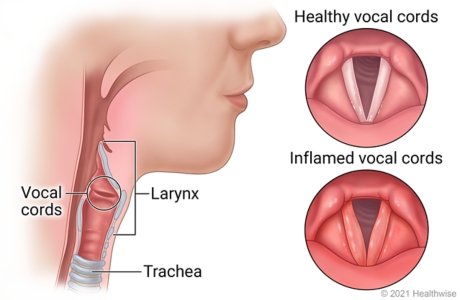
Laryngitis is a common ENT condition that affects the larynx (voice box) and often leads to hoarseness, voice weakness, or temporary voice loss. While many cases are mild and short-lived, untreated or recurring laryngitis can become chronic and interfere with daily communication.


At MicroCare ENT Hospital in Hyderabad, our ENT specialists provide accurate diagnosis and personalized laryngitis treatment to restore voice health and prevent complications. In this guide, we explain the symptoms, causes, treatment options, and recovery process in a simple, patient-friendly way.

Published By microcareenthospitals.com / Updated: Dec 18, 2025

What Is Laryngitis?

Laryngitis occurs when the vocal cords become inflamed or irritated, affecting how they vibrate during speech. Because the larynx plays a key role in voice production, even mild swelling can significantly alter voice quality.

Laryngitis may be:

Acute – lasting a few days to 2 weeks

Chronic – lasting longer than 3 weeks and requiring medical care

Early ENT evaluation helps prevent long-term voice damage.

What Causes Laryngitis?

Laryngitis can develop due to several reasons. The most common causes include:

Viral Infections

Colds, flu, and respiratory infections are the leading causes of acute laryngitis.

Voice Overuse or Misuse

Excessive talking, shouting, singing, or improper voice use can strain vocal cords.

Acid Reflux (GERD/LPR)

Stomach acid reaching the throat irritates vocal cords and causes chronic inflammation.

Allergies

Dust, pollen, and pollution—common in Hyderabad—can trigger throat irritation.

Smoking & Alcohol

Both dry and irritate the vocal cords, increasing chronic laryngitis risk.

Environmental Irritants

Exposure to chemicals, smoke, or polluted air inflames the larynx.

Laryngitis Symptoms

Symptoms vary based on severity and cause. Common laryngitis symptoms include:

  • Hoarse, raspy, or weak voice

  • Voice loss or difficulty speaking

  • Sore or dry throat

  • Throat irritation or tickling sensation

  • Pain while speaking or swallowing

  • Dry cough

  • Mild fever and fatigue

If symptoms last more than 2–3 weeks, consult an ENT specialist in Hyderabad.

Acute vs Chronic Laryngitis

Acute Laryngitis

  • Sudden onset

  • Often viral

  • Lasts 7–14 days

  • Improves with rest and hydration

Chronic Laryngitis

  • Persists beyond 3 weeks

  • Caused by reflux, smoking, voice misuse, or allergies

  • Needs medical evaluation and targeted treatment

Laryngitis in Children & Infants

In Children

  • Barking cough

  • Fever

  • Swollen glands

  • Breathing difficulty

  • Voice change

In Infants

  • High-pitched breathing (stridor)

  • Feeding difficulty

  • Excessive crying

  • Fever

Because airway size is small, pediatric laryngitis requires immediate medical attention.

How Is Laryngitis Diagnosed at MicroCare ENT Hospital?

At MicroCare ENT Hospital, Hyderabad, diagnosis may include:

  • Detailed ENT examination

  • Voice assessment

  • Laryngoscopy (if needed)

  • Reflux evaluation

  • Allergy screening

Accurate diagnosis ensures faster recovery and prevents recurrence.

Laryngitis Treatment & Recovery

Treatment depends on the cause and duration.

Voice Rest

Avoid speaking loudly, whispering, or singing.

Hydration

Drink warm fluids to soothe vocal cords.

Steam Inhalation

Moistens airways and reduces inflammation.

Medications

  • Anti-inflammatory medicines

  • Antibiotics (only if bacterial infection)

  • Reflux medication if GERD is present

Voice Therapy

Recommended for professionals with repeated voice strain.

Lifestyle Changes

Avoid smoking, alcohol, late-night meals, and spicy foods.

Most patients recover fully with proper care.

When Should You See an ENT Specialist in Hyderabad?

Consult MicroCare ENT Hospital if you have:

  • Hoarseness lasting over 3 weeks

  • Difficulty breathing

  • Severe throat pain

  • Blood in sputum

  • Recurrent voice loss

Early ENT care prevents long-term voice damage.

How to Prevent Laryngitis

  • Stay well hydrated

  • Avoid voice overuse

  • Quit smoking

  • Manage acid reflux

  • Use a humidifier

  • Avoid polluted environments

  • Practice good vocal hygiene

Conclusion

fLaryngitis may seem minor, but ignoring it can lead to chronic voice problems. With early diagnosis and the right treatment, recovery is smooth and complete.

If you are searching for laryngitis treatment in Hyderabad, voice hoarseness treatment, or the best ENT hospital in Telangana, MicroCare ENT Hospital offers expert care for adults and children.

From MicroCare ENT Hospital to your inbox

Sign up for free and stay up to date on research advancements, health tips, current health topics, and expertise on managing health.

📞 Book Your Consultation Now

Call us: +91- 94 94 94 0725
appointments@microcareenthospitals.com
www.microcareenthospitals.com

To learn more about ent, visit our page on MicroCare ENT hospital

Watch our Related Videos

Viral Videos

Playlist

9 Videos

Nosebleeds (Epistaxis): First Aid & ENT Treatment | MicroCare ENT Hyderabad

ENT

Nosebleeds (Epistaxis): First Aid & ENT Treatment | MicroCare ENT Hyderabad

Nosebleeds, also known as epistaxis, are common and usually harmless. However, they can feel frightening, especially when bleeding starts suddenly. In most cases, nosebleeds happen because the blood vessels inside the nose are very delicate. As a result, even minor irritation can cause bleeding.

At MicroCare ENT Hospital, Hyderabad, our ENT specialists frequently treat patients with nosebleeds. In this blog, you will learn why nosebleeds occur, how to manage them safely at home, and when to consult an ENT specialist in Hyderabad.

Published By microcareenthospitals.com / Updated: Dec 17, 2025

What Are Nosebleeds?

A nosebleed occurs when tiny blood vessels inside the nose break. Because the nose has a rich blood supply, bleeding may appear heavy even when the cause is minor.
Most nosebleeds stop on their own. However, repeated or severe bleeding should never be ignored.

Types of Nosebleeds

Nosebleeds are mainly divided into two types based on where the bleeding starts.

Anterior Nosebleeds

Anterior nosebleeds begin at the front of the nose. They are the most common type and usually affect children and young adults.
In most cases, they occur due to dry air, frequent nose blowing, or minor injury. Fortunately, they can be easily controlled with first aid.

Posterior Nosebleeds

Posterior nosebleeds start deeper inside the nose. Although they are less common, they are more serious.
Because larger blood vessels are involved, bleeding may be heavy and continuous. Therefore, posterior nosebleeds usually require ENT treatment in a hospital.

Common Causes of Nosebleeds

Nosebleeds can occur for several reasons. The most common causes include:

  • Dry air, which dries and cracks the nasal lining

  • Allergies, causing irritation and inflammation

  • Frequent nose picking or forceful blowing

  • Injury or trauma to the nose

  • Blood-thinning medicines, such as aspirin

  • High blood pressure or bleeding disorders

  • Structural nasal problems, like a deviated septum

Identifying the cause helps prevent future nosebleeds.

Step-by-Step First Aid for Nosebleeds

If a nosebleed occurs, stay calm and follow these steps:

Sit Upright and Lean Forward

First, sit upright and lean slightly forward. This position prevents blood from flowing into the throat.

Pinch the Soft Part of the Nose

Next, pinch the soft lower part of the nose firmly using your fingers. Hold steady pressure for 10 to 15 minutes without checking.

Breathe Through the Mouth

During this time, breathe calmly through your mouth. Avoid talking or swallowing too much.

Apply a Cold Compress

If available, place a cold compress on the nose bridge or back of the neck. This helps constrict blood vessels.

Rest After Bleeding Stops

Once bleeding stops, avoid blowing or touching the nose for a few hours.

What You Should Avoid During a Nosebleed

To prevent worsening the bleeding:

  • Do not tilt your head backward

  • Do not lie down flat

  • Do not stuff cotton deep into the nose

  • Do not blow your nose immediately after bleeding stops

Instead, remain calm and allow the nose to heal.

Essential First Aid Kit Items for Nosebleeds

Keeping these items handy can help manage nosebleeds effectively:

Sterile gauze pads

Nasal saline spray

Cold compress or ice pack

Soft tissues or clean cloth

Disposable gloves

Cotton swabs (for cleaning only, not packing)

Prevention Tips for Nosebleeds

Keep nasal passages moist with saline spray

Stay well hydrated

Use a humidifier in dry environments

Avoid excessive nose blowing or picking

Control allergies and sinus problems

Manage blood pressure

Conclusion

Although nosebleeds are common, repeated episodes should not be ignored. With proper first aid and timely ENT evaluation, nosebleeds can be safely managed and prevented.

If you are looking for nosebleed treatment in Hyderabad or the best ENT hospital in Telangana, MicroCare ENT Hospital is here to help.

From MicroCare ENT Hospital to your inbox

Sign up for free and stay up to date on research advancements, health tips, current health topics, and expertise on managing health.

📞 Book Your Consultation Now

Call us: +91- 94 94 94 0725
appointments@microcareenthospitals.com
www.microcareenthospitals.com

To learn more about ent, visit our page on MicroCare ENT hospital

Watch our Related Videos

Viral Videos

Playlist

9 Videos