Puberphonia Treatment: Voice Therapy vs Surgery | MicroCare ENT Hyderabad

Voice

puberphonia treatment explained

A high-pitched voice after puberty can feel stressful. It can also affect confidence. Many people avoid speaking in public. Some even feel uncomfortable during phone calls or meetings.

This problem is called puberphonia. It is also known as mutational falsetto. The condition is treatable in most cases. With the right care, the voice can become deeper and more stable.

Still, the best treatment depends on a few things. The age of the patient matters. The number of years the problem has continued also matters. Because of this, expert evaluation is important before choosing a plan.

This blog explains two main options. One option is voice therapy. The other option is surgery. You will also learn when each option is used.

Published By microcareenthospitals.com / Updated: Jan 03, 2025

Understanding Puberphonia Before Treatment

During puberty, the voice box grows. At the same time, the vocal cords become longer and thicker. Because of this natural change, the voice becomes deeper in most boys.

In puberphonia, the vocal cords often develop normally. However, the person continues using a higher pitch. This usually happens because of long-term voice habits. In addition, throat tension can keep the pitch high.

Emotional stress can also play a role. Sometimes, the person does not adjust to the adult voice pattern. As a result, the old voice becomes a fixed habit. Therefore, a voice evaluation is the first step.

Voice Therapy for Puberphonia

Why Voice Therapy Is the First Choice

Voice therapy is the most common treatment. It is safe and non-invasive. Also, it works best in teenagers and early cases. For many patients, it gives fast improvement.

A trained speech therapist guides the process. Step by step, the patient learns a lower and stable pitch. Over time, the voice becomes more natural. As a result, confidence often improves.

How Voice Therapy Works

Voice therapy helps correct how the voice is used. It usually includes:

  • learning the right pitch

  • improving breathing control

  • reducing throat tightness

  • building voice strength

  • improving voice stability

  • practicing daily speaking patterns

In addition, therapy focuses on making the new voice a habit. Because practice is important, home exercises are also given. Therefore, regular follow-up sessions help confirm stability.

Who Gets the Best Results With Therapy?

Voice therapy often works best when:

  • the condition is found early

  • the voice issue is not very old

  • the person practices regularly

  • the vocal cords are normal

Because of this, early treatment gives better and faster results.

How Long Does Voice Therapy Take?

The time needed depends on the patient. Some people improve in a few sessions. Others need a few weeks of therapy. However, consistent practice usually speeds up progress.

Results often depend on:

  • how long the problem has continued

  • how much tension the throat has

  • how regularly practice is done

  • how the voice responds to training

So, a specialist evaluation is always helpful.

Limits of Voice Therapy in Long-Standing Cases

Voice therapy works for many people. However, some adults may not get stable results with therapy alone. This is more common when the problem has continued for many years.

In such cases, the voice habit becomes strongly fixed. As a result, change may take more time. Sometimes the voice improves during sessions but returns later. Therefore, therapy may give only partial improvement in selected patients.

When this happens, surgery may be considered.

Surgery for Puberphonia (Selected Cases)

Is Surgery Common?

Surgery is not common for puberphonia. Most patients improve with voice therapy. Still, surgery may help in resistant cases. Because of this, surgery is usually considered only after therapy is tried properly.

When Is Surgery Considered?

Surgery may be considered when:

  • voice therapy is done correctly but results are limited

  • the condition has continued for many years

  • the voice remains unstable after therapy

  • a specialist confirms medical need

  • vocal cord function suggests resistance

Therefore, surgery is a second option, not the first option.

Why Surgery May Help in Resistant Cases

In long-standing puberphonia, muscle tension patterns may stay strong. Because of this, the voice may not settle into a stable adult pitch with therapy alone. In such cases, surgery may support pitch correction.

Before surgery, the ENT specialist will do:

  • detailed ENT evaluation

  • vocal cord examination

  • voice analysis

  • discussion about risks and benefits

Even after surgery, voice therapy may still be needed. This helps stabilize the final voice. So, follow-up care is important.

Voice Therapy vs Surgery: Key Differences

Voice Therapy

  • non-invasive

  • no downtime

  • best for early cases

  • improves voice through training

  • needs practice and follow-ups

Surgery

  • considered in selected resistant cases

  • useful when therapy fails

  • often used in long-standing adult cases

  • needs expert ENT voice surgeon evaluation

  • requires recovery and follow-up care

Important point: surgery is not a shortcut. Voice therapy after surgery may still be needed for best results.

Which Treatment Is Right for You?

The best option depends on:

  • your age

  • how long the issue has continued

  • voice evaluation results

  • response to therapy

  • any vocal cord concerns

Because of this, the safest approach is:

  1. start with voice evaluation and structured voice therapy

  2. consider surgery only if therapy is not enough and the specialist confirms need

A trusted ENT voice specialist will always guide you based on what is safest and most suitable.

Puberphonia Treatment at MicroCare ENT (Hyderabad / Telangana)

MicroCare ENT Hospital and Research Institute offers complete voice care. The approach includes:

  • ENT specialist evaluation

  • voice assessment

  • speech therapy support

  • personalized correction plans

  • surgery only for resistant cases

If you are looking for puberphonia treatment in Hyderabad or Telangana, MicroCare ENT provides expert, ethical, and patient-focused care.

FAQs

Is voice therapy enough?

In most cases, yes. Therapy works best when started early. However, long-standing adult cases may need more support.

When is surgery needed?

Surgery may be considered when the condition lasts for years and therapy does not give stable improvement.

Can adults improve?

Yes. Adults can improve with therapy. In resistant cases, surgery may be considered after evaluation.

Is surgery safe?

Surgery is usually safe when done by an experienced ENT voice surgeon. Proper evaluation is needed first.

Does surgery fix puberphonia permanently?

Many patients get long-term improvement. However, voice therapy after surgery may still be advised.

From MicroCare ENT Hospital to your inbox

Sign up for free and stay up to date on research advancements, health tips, current health topics, and expertise on managing health.

📞 Book Your Consultation Now

Call us: +91- 94 94 94 0725
appointments@microcareenthospitals.com
www.microcareenthospitals.com

To learn more about ent, visit our page on MicroCare ENT hospital

Watch our Related Videos

Viral Videos

Playlist

12 Videos

Puberphonia (High-Pitched Voice in Males): Causes, Symptoms & Treatment | MicroCare ENT Hyderabad

Voice

Puberphonia treatment with voice therapy at MicroCare ENT Hospital Hyderabad Telangana

A voice change is a normal part of puberty, especially in boys. Most teenage boys develop a deeper and more mature voice as they grow. However, some boys and young men continue to speak in a high-pitched or childlike or female voice even after puberty. This condition is called puberphonia.

If you or your family member is facing this issue, don’t worry. Puberphonia is treatable, and most patients show excellent improvement with the right expert guidance. At MicroCare ENT Hospital, Hyderabad, we offer structured voice evaluation and voice therapy for long-term improvement.

In this blog, we will explain what puberphonia is, why it happens, its symptoms, diagnosis, and the best puberphonia treatment options.

Published By microcareenthospitals.com / Updated: Jan 02, 2025

What is Puberphonia?

Puberphonia is a voice disorder where a boy or young man continues to use a high-pitched voice after puberty, even though the voice box (larynx) has developed normally.

In simple words: the body matures, but the voice does not shift into an adult male voice.

This condition is also known as:
✅ Mutational falsetto
✅ High-pitched voice after puberty

Puberphonia can affect confidence, social interactions, and professional communication. Many patients seek treatment after joining a new job or during major life events. The good news is that with proper treatment, the voice can become stable and natural.

Why Does Puberphonia Happen? (Main Causes)

In most cases, puberphonia happens due to functional and emotional factors—not because of a serious disease.

1) Functional Voice Habit

Some boys develop a habit of speaking in a higher pitch during puberty. Over time, the voice becomes fixed in that pattern even after physical growth is complete.

2) Psychological Factors

Anxiety, emotional stress, low confidence, or fear of adulthood can unconsciously trigger puberphonia.

3) Lack of Natural Pitch Transition

During puberty, vocal cords become longer and thicker. If the person does not adapt to the new vocal cord structure, the voice may remain high-pitched.

4) Rare Medical Causes

In some cases, delayed voice change may be linked to:

  • hormonal imbalance

  • thyroid problems

  • vocal cord structural issues

That is why an ENT specialist evaluation in Hyderabad is important.

Common Symptoms of Puberphonia

Some common signs include:
✅ High-pitched or childlike voice even after puberty
✅ Voice cracks while speaking
✅ Unstable voice tone
✅ Voice fatigue or strain after talking
✅ Difficulty speaking loudly
✅ Low confidence or embarrassment
✅ Avoiding social situations
✅ Complaints from family about “not sounding mature”

If these symptoms continue, consult an ENT voice specialist in Hyderabad for confirmation and treatment.

How is Puberphonia Diagnosed?

At MicroCare ENT Hospital Hyderabad, diagnosis is done through expert evaluation to confirm whether it is puberphonia or another voice disorder.

1) ENT Examination

The ENT doctor checks the throat, voice box, and structures to confirm normal development.

2) Voice Assessment

This may include:

  • pitch measurement

  • stability testing

  • breathing and resonance evaluation

3) Laryngoscopy (Vocal Cord Evaluation)

A laryngoscopy may be advised to clearly view vocal cords and rule out structural concerns.

4) Speech Therapist Review

A speech therapist checks voice habits and therapy needs for accurate planning.

Best Treatment for Puberphonia

  • The most effective and widely recommended treatment is voice therapy. It is safe, non-invasive, and proven.


    ✅ 1) Voice Therapy (Most Recommended)

    Voice therapy helps shift from high pitch to a stable adult male voice through guided exercises such as:

    ✅ pitch correction techniques
    ✅ breathing control exercises
    ✅ resonance training
    ✅ vocal strengthening exercises
    ✅ daily practice and stabilization methods

    Most patients begin noticing improvement quickly when therapy is done under expert supervision.


    ✅ 2) ENT-Guided Voice Training

    Some patients need combined ENT guidance and voice training—especially when they have used a high-pitched voice for many years.

    Treatment is personalized based on:

    • age

    • duration of the problem

    • voice pattern

    • confidence level


    ✅ 3) Surgery for Puberphonia (Selected Cases)

    Surgery is not commonly required, especially in teenage and early-stage cases. Most patients improve with structured voice therapy.

    However, in long-standing adult cases (especially after 20 years) where therapy results vary, selected patients may benefit from surgical correction.

    Surgery may be considered when:

    • Voice therapy does not provide adequate improvement

    • Structural or functional vocal cord concerns exist

    • Specialist evaluation confirms medical need

How Long Does Voice Therapy Take?

Treatment duration depends on:

  • how long the person had puberphonia

  • consistency of practice

  • individual voice response

Many patients improve within a few sessions, while others may need a few weeks of guided therapy. Results are often stable with proper follow-up.

Can Adults Treat Puberphonia?

Yes. Adults can successfully treat puberphonia. Many men seek treatment in their 20s or 30s due to:

  • workplace communication needs

  • social confidence issues

  • marriage-related concerns

  • personal self-esteem

With expert therapy and, if needed, ENT-guided interventions, adults can achieve a confident male voice.

When Should You Consult an ENT Voice Specialist?

You should consult an ENT voice specialist if:

✅ Your voice has not deepened after puberty
✅ Your voice affects confidence or communication
✅ You experience voice breaks or unstable tone
✅ You feel strain or fatigue while speaking
✅ Voice therapy has not helped enough
✅ You suspect vocal cord or hormonal issues

An experienced evaluation ensures accurate diagnosis and safe long-term improvement.

Puberphonia Treatment at MicroCare ENT (Hyderabad / Telangana)

At MicroCare ENT Hospital and Research Institute, we provide advanced voice disorder care with:

✅ expert ENT evaluation
✅ voice disorder assessment
✅ speech therapy support
✅ personalized voice correction plans
✅ ethical and evidence-based treatment

If you are searching for the Best ENT Hospital in Telangana for puberphonia care, our team is here to help.

Conclusion

Puberphonia is a condition where a high-pitched voice continues after puberty. It may affect confidence, communication, and quality of life. However, with the right diagnosis and expert voice therapy, most patients can achieve a natural and confident male voice.

✅ Get a Voice Evaluation
✅ Consult an ENT Voice Specialist at MicroCare ENT Hyderabad

From MicroCare ENT Hospital to your inbox

Sign up for free and stay up to date on research advancements, health tips, current health topics, and expertise on managing health.

📞 Book Your Consultation Now

Call us: +91- 94 94 94 0725
appointments@microcareenthospitals.com
www.microcareenthospitals.com

To learn more about ent, visit our page on MicroCare ENT hospital

Watch our Related Videos

Viral Videos

Playlist

10 Videos

Speech Therapy for Stuttering in Adults | MicroCare ENT Hospitals Hyderabad

Voice

Speech therapy for adult stuttering at MicroCare ENT Hospitals in Hyderabad Telangana

Stuttering in adulthood can feel frustrating and emotionally exhausting. Many adults avoid phone calls, meetings, interviews, or speaking in public because they fear getting stuck on words. However, the good news is this: speech therapy for adult stuttering can improve communication, reduce anxiety, and build long-term confidence.

At MicroCare ENT Hospitals in Hyderabad, our speech therapists and ENT specialists support adults who stutter with personalized therapy programs. In this blog, you’ll learn what adult stuttering is, why it happens, and how speech therapy can help.

Published By microcareenthospitals.com / Updated: Jan 01, 2025

Understanding Adult Stuttering (Stammering)

Stuttering (also called stammering) is a speech fluency disorder where the flow of speech breaks unexpectedly. This may include repeating sounds, stretching words, or feeling stuck. While many people start stuttering in childhood, some continue into adulthood.

Adult stuttering can also become more noticeable when stress, anxiety, fatigue, or pressure increases.

Common Signs of Stuttering in Adults

Adult stuttering may look different for different people. Common signs include:

  • Repeating sounds or syllables (ex: “b-b-because”)

  • Stretching a sound (ex: “ssssorry”)

  • Silent blocks (unable to start a word)

  • Facial tension, blinking, or jaw tightness

  • Avoiding certain words

  • Fear of speaking situations

  • Reduced confidence in communication

If these are affecting your work or personal life, seeking help from a speech therapist in Hyderabad can make a real difference.

Why Do Adults Stutter?

Adult stuttering does not happen because of “weak intelligence” or “lack of confidence.” It is often influenced by a combination of factors such as:

1. Brain and Speech Coordination

In people who stutter, speech timing and coordination may be less smooth, which affects fluency.

2. Genetic Factors

Stuttering can run in families. So, a family history may increase risk.

3. Stress and Emotional Triggers

Anxiety, pressure, or fear can worsen stuttering symptoms.

4. Habit and Avoidance Cycle

When adults avoid speaking, it increases fear, which can worsen stuttering later.

5. Rare Causes (Neurogenic Stuttering)

Some adults may develop stuttering after stroke, injury, or neurological conditions. That requires medical evaluation too.

Emotional Impact of Adult Stuttering (Very Common)

Adult stuttering can affect:

  • Self-confidence

  • Work performance

  • Social life

  • Relationships

  • Mental well-being

Many adults feel embarrassment or fear of being judged. Because of this, therapy must focus on both speech techniques and emotional support.

At MicroCare ENT Hospitals Hyderabad, therapy programs are designed to improve both fluency and communication confidence.

How Speech Therapy Helps Adult Stuttering Speech therapy does not promise “perfect speech overnight.” Inst

  • Improve speech flowReduce struggle and tension
  • Handle stuttering moments calmly
  • Build confidence during conversations
  • Reduce anxiety and speaking fear
    Improve communication skills for real-life situations

This is why stuttering treatment in Hyderabad works best when therapy is consistent and personalized.

Adult Stuttering Evaluation: What Happens First?

Before starting therapy, your speech therapist will assess your stuttering pattern through:

  • Your stuttering history (when it started, triggers)

  • Speech samples (conversation, reading, phone-style speaking)

  • Severity and frequency assessment

  • Emotional and social impact review

  • Your goals (interviews, meetings, public speaking, etc.)

After this, you receive a tailored therapy plan.

Best Speech Therapy Techniques for Adult Stuttering

Here are the most effective methods used in adult stuttering therapy:

1) Fluency Shaping Techniques

These help create smoother speech patterns such as:

  • Slow speaking rate

  • Gentle voice onset

  • Stretching syllables slightly

  • Relaxed breathing while speaking

2) Stuttering Modification Techniques

Instead of fighting stuttering, these techniques teach control:

  • “Cancellations” (correcting after a stutter)

  • “Pull-outs” (reducing struggle during stutter)

  • “Preparatory sets” (starting calmly before a tough word)

3) Breathing and Relaxation Training

Helps reduce throat tension and improves speech rhythm.

4) Confidence & Communication Training

This includes:

  • Handling phone calls

  • Speaking in meetings

  • Practicing real-life interactions

  • Improving eye contact and body language

5) Anxiety and Mindset Support

Because fear worsens stuttering, therapy often includes:

  • Reducing negative self-talk

  • Building coping strategies

  • Learning to speak confidently even when stuttering happens

At MicroCare ENT Hospitals (Hyderabad, Telangana), we check the nose safely and clearly. We may suggest:

  • Nasal endoscopy to see inside
  • Septum and valve assessment
  • Turbinate swelling evaluation
  • Recovery support plan
  • Functional correction if required

We focus on breathing safety first. Then we help you heal comfortably.

Home Practice Tips for Adults Who Stutter

Daily practice helps the most. Try:

  • Practice reading aloud for 5–10 minutes

  • Slow down speech intentionally

  • Use gentle starts for difficult words

  • Record yourself weekly to track progress

  • Practice speaking in safe environments first

  • Join support groups or practice sessions

Small steps every day lead to big progress over time.

When Should Adults See a Speech Therapist in Hyderabad?

You should consult a specialist if:

  • Stuttering affects confidence or work performance

  • You avoid speaking situations

  • You experience frustration, anxiety, or embarrassment

  • You want help for interviews, presentations, or public speaking

  • You have stuttering after a head injury or stroke

At MicroCare ENT Hospitals in Hyderabad, therapy is designed to be supportive, confidential, and practical.

Conclusion

Adult stuttering can feel challenging, but it does not have to control your life. With the right therapy and consistent support, adults can speak more comfortably and confidently.

If you are looking for speech therapy for adult stuttering, stammering treatment in Hyderabad, or a trusted speech therapist near you, MicroCare ENT Hospitals Hyderabad is here to help.

From MicroCare ENT Hospital to your inbox

Sign up for free and stay up to date on research advancements, health tips, current health topics, and expertise on managing health.

📞 Book Your Consultation Now

Call us: +91- 94 94 94 0725
appointments@microcareenthospitals.com
www.microcareenthospitals.com

To learn more about ent, visit our page on MicroCare ENT hospital

Watch our Related Videos

Viral Videos

Playlist

10 Videos

Breathing Problems After Rhinoplasty: When to See an ENT | MicroCare ENT Hyderabad

Voice

Breathing problems after rhinoplasty evaluation by ENT specialist at MicroCare ENT Hospitals Hyderabad Telangana

Rhinoplasty is also called a nose job. It changes the shape of your nose. Many people choose it for a better look. Some people also want better breathing. Still, after surgery, your nose needs time to heal. Because of this, breathing problems after rhinoplasty can happen.

Most of the time, the breathing issue is temporary. However, in some cases, it can last longer. So, it is important to know what is normal and what is not.

At MicroCare ENT Hospitals in Hyderabad, we help patients who feel blocked after nose surgery. We also guide them with safe recovery steps.

Published By microcareenthospitals.com / Updated: Dec 31, 2025

Is It Normal to Have Breathing Problems After Rhinoplasty?

Yes, it is normal in the early weeks.

After surgery, the inside of the nose swells. As a result, the airflow reduces. Also, you may have splints or packing. So, breathing through the nose becomes hard at first.

The good news is that this improves step by step.

Common Reasons for Breathing Difficulty After Rhinoplasty

Many people feel blocked for simple reasons. These include:

  • Swelling inside the nose

  • Dryness and crusting

  • Mucus build-up

  • Healing tissues

  • Splints or packing (temporary support)

Because the nose is healing, these issues are expected. Still, they should improve with time.

How Long Does It Take to Breathe Normally? (Easy Timeline)

Healing is different for each person. However, most people follow a similar pattern.

Right after surgery (Day 1–3)

Breathing is very difficult. This is because swelling is high.

Week 1–2

Packing may be removed. So, breathing feels a little better.

Week 2–4

Swelling starts reducing more. Therefore, airflow improves.

Week 4–6

Most people breathe better. Still, mild congestion may remain.

Week 6–12

Breathing becomes close to normal. Also, inside healing continues.

Month 3–6

Final healing happens. As a result, breathing and shape improve fully.

When Breathing Problems Are NOT Normal

Sometimes breathing stays blocked for too long. In that case, you may have a deeper issue. So, an ENT check is needed.

Possible causes include:

✅ 1. Nasal valve weakness
The valve area is very small. If it becomes weak, the nostril may collapse.

✅ 2. Septum deviation (crooked septum)
If the septum blocks one side, breathing becomes difficult.

✅ 3. Turbinate swelling
Turbinates can enlarge and reduce airflow.

✅ 4. Thick scar tissue
Some people form thick scars inside. Therefore, the airway becomes narrow.

✅ 5. Too much cartilage removal
If the nose support becomes weak, airflow may reduce.

These problems may need ENT care. Sometimes they need revision surgery. So, early evaluation is helpful.

Simple Signs That You Should See an ENT Specialist

Visit an ENT specialist in Hyderabad if you notice:

  • Breathing is still blocked after 8–12 weeks

  • One nostril closes while you inhale

  • You hear a whistling sound while breathing

  • There is severe pain or increasing swelling

  • You get repeated nosebleeds

  • You have fever or foul discharge

  • Your breathing gets worse instead of better

  • You feel panic due to poor airflow

If these happen, don’t wait. Early ENT care prevents long-term problems.

Safe Home Tips to Improve Breathing After Rhinoplasty

These tips can help, especially in the first few weeks:

  • Use saline spray (as advised)

  • Keep a cool-mist humidifier at night

  • Drink enough water daily

  • Sleep with your head slightly raised

  • Avoid dust, smoke, and strong perfumes

  • Rest well and avoid heavy workouts

🚫 Avoid these:

  • Do not blow your nose hard

  • Do not pick inside crusts

  • Do not use medicines without your doctor’s advice

Because healing tissues are delicate, gentle care is best.

How MicroCare ENT Hospitals in Hyderabad Can Help

At MicroCare ENT Hospitals (Hyderabad, Telangana), we check the nose safely and clearly. We may suggest:

✅ Nasal endoscopy to see inside
✅ Septum and valve assessment
✅ Turbinate swelling evaluation
✅ Recovery support plan
✅ Functional correction if required

We focus on breathing safety first. Then we help you heal comfortably.

Conclusion: Get Help at the Right Time

Breathing problems after rhinoplasty are common early on. However, they should improve slowly week by week. If the blockage stays too long, it may need ENT attention.

So, if you have difficulty breathing after rhinoplasty, visit MicroCare ENT Hospitals in Hyderabad for expert care and guidance.

From MicroCare ENT Hospital to your inbox

Sign up for free and stay up to date on research advancements, health tips, current health topics, and expertise on managing health.

📞 Book Your Consultation Now

Call us: +91- 94 94 94 0725
appointments@microcareenthospitals.com
www.microcareenthospitals.com

To learn more about ent, visit our page on MicroCare ENT hospital

Watch our Related Videos

Viral Videos

Playlist

9 Videos

Laryngitis Treatment: Symptoms, Causes & Recovery | MicroCare ENT Hyderabad

Voice

Laryngitis treatment and voice care by ENT specialists at MicroCare ENT Hospital Hyderabad Telangana

Laryngitis is a common ENT condition that affects the larynx (voice box) and often leads to hoarseness, voice weakness, or temporary voice loss. While many cases are mild and short-lived, untreated or recurring laryngitis can become chronic and interfere with daily communication.


At MicroCare ENT Hospital in Hyderabad, our ENT specialists provide accurate diagnosis and personalized laryngitis treatment to restore voice health and prevent complications. In this guide, we explain the symptoms, causes, treatment options, and recovery process in a simple, patient-friendly way.

Published By microcareenthospitals.com / Updated: Dec 18, 2025

What Is Laryngitis?

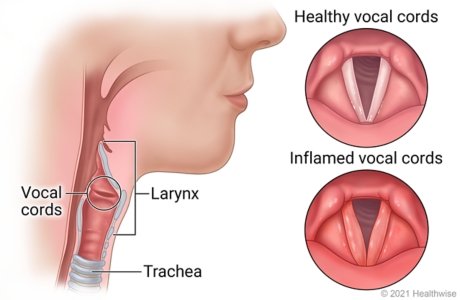
Laryngitis occurs when the vocal cords become inflamed or irritated, affecting how they vibrate during speech. Because the larynx plays a key role in voice production, even mild swelling can significantly alter voice quality.

Laryngitis may be:

Acute – lasting a few days to 2 weeks

Chronic – lasting longer than 3 weeks and requiring medical care

Early ENT evaluation helps prevent long-term voice damage.

What Causes Laryngitis?

Laryngitis can develop due to several reasons. The most common causes include:

Viral Infections

Colds, flu, and respiratory infections are the leading causes of acute laryngitis.

Voice Overuse or Misuse

Excessive talking, shouting, singing, or improper voice use can strain vocal cords.

Acid Reflux (GERD/LPR)

Stomach acid reaching the throat irritates vocal cords and causes chronic inflammation.

Allergies

Dust, pollen, and pollution—common in Hyderabad—can trigger throat irritation.

Smoking & Alcohol

Both dry and irritate the vocal cords, increasing chronic laryngitis risk.

Environmental Irritants

Exposure to chemicals, smoke, or polluted air inflames the larynx.

Laryngitis Symptoms

Symptoms vary based on severity and cause. Common laryngitis symptoms include:

  • Hoarse, raspy, or weak voice

  • Voice loss or difficulty speaking

  • Sore or dry throat

  • Throat irritation or tickling sensation

  • Pain while speaking or swallowing

  • Dry cough

  • Mild fever and fatigue

If symptoms last more than 2–3 weeks, consult an ENT specialist in Hyderabad.

Acute vs Chronic Laryngitis

Acute Laryngitis

  • Sudden onset

  • Often viral

  • Lasts 7–14 days

  • Improves with rest and hydration

Chronic Laryngitis

  • Persists beyond 3 weeks

  • Caused by reflux, smoking, voice misuse, or allergies

  • Needs medical evaluation and targeted treatment

Laryngitis in Children & Infants

In Children

  • Barking cough

  • Fever

  • Swollen glands

  • Breathing difficulty

  • Voice change

In Infants

  • High-pitched breathing (stridor)

  • Feeding difficulty

  • Excessive crying

  • Fever

Because airway size is small, pediatric laryngitis requires immediate medical attention.

How Is Laryngitis Diagnosed at MicroCare ENT Hospital?

At MicroCare ENT Hospital, Hyderabad, diagnosis may include:

  • Detailed ENT examination

  • Voice assessment

  • Laryngoscopy (if needed)

  • Reflux evaluation

  • Allergy screening

Accurate diagnosis ensures faster recovery and prevents recurrence.

Laryngitis Treatment & Recovery

Treatment depends on the cause and duration.

Voice Rest

Avoid speaking loudly, whispering, or singing.

Hydration

Drink warm fluids to soothe vocal cords.

Steam Inhalation

Moistens airways and reduces inflammation.

Medications

  • Anti-inflammatory medicines

  • Antibiotics (only if bacterial infection)

  • Reflux medication if GERD is present

Voice Therapy

Recommended for professionals with repeated voice strain.

Lifestyle Changes

Avoid smoking, alcohol, late-night meals, and spicy foods.

Most patients recover fully with proper care.

When Should You See an ENT Specialist in Hyderabad?

Consult MicroCare ENT Hospital if you have:

  • Hoarseness lasting over 3 weeks

  • Difficulty breathing

  • Severe throat pain

  • Blood in sputum

  • Recurrent voice loss

Early ENT care prevents long-term voice damage.

How to Prevent Laryngitis

  • Stay well hydrated

  • Avoid voice overuse

  • Quit smoking

  • Manage acid reflux

  • Use a humidifier

  • Avoid polluted environments

  • Practice good vocal hygiene

Conclusion

fLaryngitis may seem minor, but ignoring it can lead to chronic voice problems. With early diagnosis and the right treatment, recovery is smooth and complete.

If you are searching for laryngitis treatment in Hyderabad, voice hoarseness treatment, or the best ENT hospital in Telangana, MicroCare ENT Hospital offers expert care for adults and children.

From MicroCare ENT Hospital to your inbox

Sign up for free and stay up to date on research advancements, health tips, current health topics, and expertise on managing health.

📞 Book Your Consultation Now

Call us: +91- 94 94 94 0725
appointments@microcareenthospitals.com
www.microcareenthospitals.com

To learn more about ent, visit our page on MicroCare ENT hospital

Watch our Related Videos

Viral Videos

Playlist

9 Videos

Lost Voice After Flu: Causes & Care in Hyderabad

Voice

Lose voice after flu due to laryngitis explained by ENT specialist at MicroCare ENT Hospital Hyderabad Kukatpally Telangana

Lost Your Voice After a Flu? Here's Why, and When to See an ENT Specialist

Losing your voice after the flu is usually caused by laryngitis, a swelling of the vocal cords left behind by the viral infection. A lingering cough, post-nasal drip, dehydration and acid reflux can keep the vocal cords irritated after the fever has gone. Most people get their voice back within 3 to 10 days. Rest your voice, but do not whisper, because whispering strains the vocal cords more than soft speech. Drink warm fluids, use steam inhalation for 5 to 10 minutes once or twice a day, avoid clearing your throat, and stay away from smoking and alcohol. See an ENT specialist if the hoarseness lasts longer than three weeks, or straight away if you have difficulty breathing, pain when swallowing, blood in your saliva or a lump in your neck. At MicroCare ENT Hospital in KPHB, Kukatpally, the vocal cords can be examined in the clinic to find the cause. Appointments: +91 94949 40725.

Published By microcareenthospitals.com / Updated: Dec 06, 2025

Can the Flu Make You Lose Your Voice?

Yes. Flu is a viral infection that commonly spreads to the throat and voice box. When the lining of the larynx becomes inflamed, the vocal cords swell and cannot close or vibrate properly, which changes or removes your voice. This can happen with flu, a common cold, or any viral throat infection, and is more likely if you have also been coughing heavily or talking/shouting while unwell.

Can Flu Cause Laryngitis?

Yes, flu is one of the most common causes of laryngitis (inflammation of the voice box). Laryngitis from a viral infection usually causes hoarseness, a weak or breathy voice, and sometimes complete voice loss for a few days. It is different from a sore throat, which affects swallowing more than voice quality. Laryngitis from flu is usually managed with voice rest and does not require antibiotics, since it is caused by a virus.

How Long Does Voice Loss After Flu Last, and Can It Be Permanent?

Voice loss after flu usually improves within 7 to 14 days as the throat infection clears. In most cases it is temporary and resolves completely. It is rarely permanent, but if hoarseness or voice loss continues beyond two to three weeks, or keeps recurring, it needs an ENT examination to rule out other causes such as vocal cord nodules or a growth.

What Helps When You Have Lost Your Voice Due to Flu?

Resting your voice is the most effective first step — avoid talking, whispering, and shouting, since whispering can strain the vocal cords as much as normal speech. Staying hydrated, using a humidifier, and avoiding smoke or dust can ease irritation. Over-the-counter cough and cold treatment may help general flu symptoms, but voice recovery mainly needs time and vocal rest.

When to See an ENT Specialist in Hyderabad (Red Flags)

Visit MicroCare ENT Hospital, Hyderabad if:

  • Voice loss lasts more than 10–14 days

  • You have breathing difficulty or noisy breathing

  • You cough up blood or have severe pain

  • You feel a persistent lump sensation in the throat

  • You are a teacher/singer/public speaker and voice is not returning

  • Hoarseness lasts more than 3 weeks (chronic laryngitis risk)

Early ENT evaluation helps prevent long-term voice damage.

How MicroCare ENT Hospital Hyderabad Diagnoses Voice Loss After Flu

At MicroCare ENT (Kukatpally / Jubilee Hills), diagnosis may include:

  • Throat and voice examination

  • Checking for post-nasal drip and sinusitis

  • Reflux-related throat assessment

  • Laryngoscopy (simple procedure) to view vocal cords directly when needed

This ensures we treat the correct cause, not just the symptom.

Treatment Options for Hoarse Voice After Flu (ENT Care)

Treatment depends on the cause and severity:

 Medicines (Only When Needed)

  • Anti-inflammatory support for swelling

  • Antibiotics only if bacterial infection is confirmed

  • Reflux medications if LPR/GERD is present

  • Allergy control for post-nasal drip

 Voice Care & Guidance

  • Voice rest plan

  • Hydration and humidification

  • Vocal hygiene advice for faster recovery

 Voice Therapy (For Prolonged Hoarseness)

If hoarseness persists or voice strain is common, voice therapy can rebuild healthy vocal habits.

How to Prevent Voice Loss During Flu (Simple Prevention Tips)

Treat cough early (don’t force throat clearing)

Drink warm fluids frequently

Rest your voice while sick

Avoid cold drinks and smoking

Use steam/humidifier in dry rooms

Control allergies and sinus congestion

Conclusion: Voice Loss After Flu Is Common—But Don’t Ignore It

If you’re searching “lose voice after flu”, remember: it is usually due to laryngitis, cough strain, post-nasal drip, dehydration, or reflux. Most cases settle with voice rest and hydration. However, if it lasts longer than 2 weeks, you should consult an ENT.

For voice loss treatment in Hyderabad, consult MicroCare ENT Hospital—trusted by patients as the Best ENT Hospital in Telangana, with expert care at Kukatpally and Jubilee Hills.

From MicroCare ENT Hospital to your inbox

Sign up for free and stay up to date on research advancements, health tips, current health topics, and expertise on managing health.

📞 Book Your Consultation Now

Call us: +91- 94 94 94 0725
appointments@microcareenthospitals.com
www.microcareenthospitals.com

To learn more about ent, visit our page on MicroCare ENT hospital

Watch our Related Videos

Can the flu make you lose your voice?

Yes. Flu often inflames the voice box (laryngitis), which swells the vocal cords and affects how they vibrate. This can reduce your voice to a whisper or remove it completely for a few days, usually alongside other flu symptoms like cough and sore throat.

Yes, viral infections like flu are among the most common causes of laryngitis. The voice box lining becomes inflamed and swollen, causing hoarseness or voice loss. It is usually short-lived and improves with rest as the underlying flu infection clears.

Most people regain their voice within one to two weeks as the flu resolves. It is rarely permanent. If voice loss or hoarseness lasts beyond two to three weeks, or returns repeatedly, an ENT specialist should examine the vocal cords to check for other causes.

Rest your voice completely, including avoiding whispering. Drink warm fluids, use a humidifier, and avoid smoke or dusty environments. These measures reduce strain on the vocal cords while the underlying flu infection clears, which usually restores the voice naturally.

See an ENT specialist if your voice has not improved after two to three weeks, if you have breathing difficulty, pain swallowing, or if hoarseness keeps returning. These signs need a direct examination of the vocal cords, which a general physician cannot assess.

Viral Videos

Playlist

8 Videos

Voice Health 101: How to Keep Your Vocal Cords Healthy and Strong

Voice

Medical illustration showing vocal cord health and voice care at Microcare ENT Hospital, with a person learning to maintain clear and healthy vocal cords.

Vocal Cord Health and Voice Care

At Microcare ENT Hospital, we understand how vital your voice is — it’s your identity, your confidence, and your connection to the world. Whether you’re a teacher, singer, speaker, or simply someone who uses their voice daily, maintaining proper vocal cord health and voice care is essential.

Your vocal cords are delicate muscles located within your larynx (voice box) that vibrate to produce sound. Overuse, infections, or improper habits can strain these muscles, leading to hoarseness, pain, or even voice loss. Learning how to protect and strengthen your voice can prevent long-term damage and ensure it stays clear and strong.

Published By microcareenthospitals.com / Updated: OCT 04, 2025

🗣️ Understanding Your Vocal Cords

The vocal cords (also called vocal folds) are two flexible bands of muscle tissue located in the larynx. When you breathe, they open to allow air passage, and when you speak or sing, they come together and vibrate to create sound.

These vibrations produce your unique voice tone, which is shaped by the mouth, tongue, and lips. Proper vocal cord health and voice care keeps these tissues flexible and well-lubricated, allowing effortless speech and singing.

⚠️ Common Problems That Affect Vocal Cord Health

Ignoring vocal strain or poor hygiene can lead to serious issues that impact your speech. Some common problems include:

  1. Laryngitis: Inflammation caused by overuse, infections, or acid reflux.

  2. Vocal Nodules or Polyps: Small growths from repetitive strain or shouting.

  3. Hoarseness: A rough, weak, or breathy voice tone caused by irritation.

  4. Voice Fatigue: Loss of vocal strength after prolonged talking or singing.

  5. Vocal Cord Paralysis: Nerve damage that affects vibration and sound quality.

💬 How to Maintain Healthy Vocal Cords

Here are scientifically backed tips from ENT specialists at Microcare ENT Hospital to promote vocal cord health and voice care.

1️⃣ Stay Hydrated

Drink at least 8–10 glasses of water daily. Hydration keeps the mucous membranes moist, preventing friction and irritation during speech.

2️⃣ Warm Up Before Speaking or Singing

Just like athletes stretch before exercise, your vocal cords need warm-up exercises. Simple humming or lip trills can prepare your voice for long speaking sessions.

3️⃣ Avoid Throat Clearing

Constantly clearing your throat can irritate the vocal cords. Instead, sip water or swallow gently.

4️⃣ Limit Caffeine and Alcohol

Both caffeine and alcohol dehydrate your throat and affect mucous production. Opt for water or herbal tea instead.

5️⃣ Avoid Smoking and Pollutants

Tobacco smoke and pollution inflame the vocal cords and can lead to chronic laryngitis or even cancer.

6️⃣ Rest Your Voice

After long speaking or singing sessions, give your voice rest. Avoid whispering — it can strain the cords even more.

7️⃣ Use a Humidifier

A humid environment keeps your throat comfortable, especially in air-conditioned or dry climates.

👩‍⚕️ When to See an ENT Specialist

If you notice persistent hoarseness, throat pain, or changes in your voice lasting more than two weeks, it’s time to consult a professional.
At Microcare ENT Hospital, our experts use advanced diagnostic tools like laryngoscopy and stroboscopy to visualize the vocal cords and determine the root cause of your symptoms.

Early detection ensures that any problem can be treated effectively through medication, therapy, or minor surgical procedures if necessary.

🎶 Special Voice Therapy and Treatment Options

1️⃣ Voice Therapy

Speech-language pathologists guide you through exercises to strengthen your voice and improve control.

2️⃣ Medical Management

Treatment of underlying causes like acid reflux, allergies, or infections can restore healthy vocal function.

3️⃣ Surgical Options

For nodules or cysts that don’t respond to therapy, minimally invasive voice surgery may be performed at Microcare ENT Hospital.

🌱 Daily Habits for Lifelong Voice Health

  • Maintain good posture while speaking.

  • Breathe deeply and use your diaphragm.

  • Avoid shouting or speaking loudly for extended periods.

  • Rest your voice if you’re unwell.

  • Include fruits rich in Vitamin C for throat immunity.

  • Schedule regular ENT check-ups.

🏥 Why Choose Microcare ENT Hospital for Voice and Throat Care

At Microcare ENT Hospital, we specialize in diagnosing and treating voice-related disorders with precision. Our state-of-the-art voice lab and experienced ENT surgeons ensure every patient receives tailored care. Whether you are a professional voice user or dealing with chronic hoarseness, we offer the right blend of medical expertise and compassionate support.

🩺 Conclusion

Your voice is an invaluable asset that deserves proper attention and care. Following simple yet effective steps for vocal cord health and voice care can help you preserve your natural tone and prevent long-term damage.

At Microcare ENT Hospital, we’re committed to protecting your voice through expert diagnosis, personalized therapy, and advanced medical treatments.

Take care of your voice — it’s the sound of your confidence.

To learn more about related ENT conditions and treatments, explore our detailed guides on Sinus Treatment Causes & Remedies, Tonsils Treatment in Hyderabad, and our complete range of ENT Services offered at MicroCare ENT Hospital.

From MicroCare ENT Hospital to your inbox

Sign up for free and stay up to date on research advancements, health tips, current health topics, and expertise on managing health.

📞 Book Your Consultation Now

Call us: +91- 94 94 94 0725
appointments@microcareenthospitals.com
www.microcareenthospitals.com

To learn more about ent, visit our page on MicroCare ENT hospital

Watch our Related Videos

Viral Videos

Playlist

8 Videos

Cochlear Implant – Procedure, Benefits, and Life-Changing Results

Voice

A cochlear implant is a revolutionary medical device designed to help people with severe hearing loss or deafness experience sound again. Unlike traditional hearing aids that amplify sound, a cochlear implant directly stimulates the auditory nerve, offering a clear and natural hearing experience. In this blog, we’ll explore how cochlear implants work, their benefits, and what patients can expect before and after the surgery.

Published By microcareenthospitals.com / Updated: 15 OCT , 2025

What Is a Cochlear Implant?

A cochlear implant is a small, complex electronic device that provides a sense of sound to individuals who are profoundly deaf or severely hard of hearing. It consists of two main parts:

External Processor: Captures and processes sound from the environment.

Internal Implant: Sends electrical signals directly to the auditory nerve.

This allows sound signals to bypass damaged parts of the inner ear and reach the brain directly.

How Does a Cochlear Implant Work?

Sound Detection: The external processor captures sound.

Signal Conversion: It converts sound into digital signals.

Transmission: The implant sends electrical impulses to the auditory nerve.

Brain Interpretation: The brain translates these impulses into recognizable sound.

This advanced hearing technology has changed millions of lives across the world.

Benefits of Cochlear Implants

Improved speech understanding

Better communication in noisy environments

Enhanced awareness of environmental sounds

Support for child language development

Improved quality of life and social interaction

The Cochlear Implant Surgery Procedure

Cochlear implant surgery is performed under general anesthesia and typically takes 2–3 hours.

A small incision is made behind the ear.

The internal device is placed under the skin.

The electrode array is inserted into the cochlea.

The external processor is fitted a few weeks after healing.

Patients often undergo speech therapy and rehabilitation to adjust to their new hearing sensations.

If home remedies don’t help after 7–10 days or symptoms worsen, it’s time to seek professional help. Persistent infections may require a CT scan or nasal endoscopy for proper diagnosis and advanced sinus treatment.

Who Can Benefit from a Cochlear Implant?

Cochlear implants are recommended for:

Adults with severe or profound hearing loss in both ears

Children born with deafness

Patients who receive little or no benefit from hearing aids

Life After Cochlear Implant

Post-surgery, patients experience gradual improvement in hearing clarity as the brain adapts. With consistent therapy and device tuning, most recipients can recognize speech and enjoy music.

Conclusion

A cochlear implant offers a second chance at hearing for those who thought silence was permanent. Whether for a child developing language or an adult reconnecting with loved ones, cochlear implants represent hope, technology, and transformation. If you or a loved one struggles with hearing loss, consult an ENT specialist to explore this life-changing option.

From MicroCare ENT Hospital to your inbox

Sign up for free and stay up to date on research advancements, health tips, current health topics, and expertise on managing health.

📞 Book Your Consultation Now

Call us: +91- 94 94 94 0725
appointments@microcareenthospitals.com
www.microcareenthospitals.com

To learn more about ear, visit our page on advanced ear solutions at MicroCare ENT
learn about How snoring effects your health

Watch our Related Videos

Microlaryngeal Surgery: A Modern ENT Solution for Voice Problems

Voice

ENT surgeon performing voice change surgery using micro instruments at MicroCare ENT Hospital, Hyderaba

If your voice feels strained, hoarse, or has changed without clear cause, it could be more than just a sore throat. For many patients in Hyderabad and Kukatpally, microlaryngeal surgery has been a game-changer in treating chronic voice problems and vocal cord lesions.

In this blog, we explore what microlaryngeal surgery is, who needs it, how it’s done, and what to expect from recovery—written in a way that’s easy to understand, yet informative for anyone searching for effective ENT treatments near them.

Published By microcareenthospitals.com / Updated: May 14, 2025

What is Microlaryngeal Surgery?

Microlaryngeal surgery is a minimally invasive ENT procedure that allows specialists to operate on the vocal cords (larynx) using precise microsurgical instruments and a high-powered microscope.

Unlike open surgery, this method uses no external cuts. Everything is done through the mouth using advanced equipment. It’s commonly used to remove:


Vocal cord polyps

Cysts

Nodules

Papillomas

Reinke’s edema

Small vocal cord tumors

Why Do Patients Need Microlaryngeal Surgery?

Common reasons ENT specialists in Hyderabad may recommend this surgery include:

1. Chronic Hoarseness

When hoarseness lasts longer than 3 weeks, and medication doesn’t help, surgery might be needed to remove vocal cord abnormalities.

2. Voice Fatigue

If you’re a teacher, singer, speaker, or call center employee in areas like Kukatpally or Hitech City, voice fatigue can interfere with your work. Microlaryngeal surgery can restore vocal clarity.

3. Vocal Cord Growths

Benign lesions like polyps or cysts can interfere with the vocal folds’ vibration, altering voice pitch and quality.

How is the Surgery Performed?

Adenoid Enlargement Symptoms:

The procedure is usually done under general anesthesia and lasts between 30 to 90 minutes, depending on the case. Here’s a quick overview:


A laryngoscope is inserted into the throat via the mouth.

Using a microscope and micro-instruments, the ENT surgeon removes the lesion or abnormal tissue.

No incisions are made on the skin.

Patients can usually return home the same day.


This type of precision ENT surgery is now offered in advanced centers across Hyderabad, including at MicroCare ENT Super Speciality Hospital, Kukatpally.

Benefits of Microlaryngeal Surgery

✅ Minimally invasive (no external scars)
✅ Short hospital stay (day-care procedure)
✅ Excellent results for voice recovery
✅ Fast healing with low complication risk
✅ Perfect for professionals dependent on voice

ENT specialists in Telangana, particularly in Hyderabad and Kukatpally, now recommend this surgery even for early-stage voice abnormalities to prevent long-term damage.

Post-surgery, patients are advised to follow strict voice rest for 3–7 days, followed by a gradual return to normal speaking.

Tips for Better Recovery:

Avoid whispering (it strains the vocal cords more than speaking).

Stay hydrated.

Don’t clear your throat often.

Avoid spicy and acidic foods.

Attend follow-up sessions with your ENT specialist.

Speech therapy may be suggested for professional voice users.

Microlaryngeal surgery is safe, but like any surgery, it carries some minor risks:

Mild throat pain

Temporary hoarseness

Swelling

In rare cases, vocal changes (if post-op care is not followed)

Choosing an experienced ENT surgeon in Hyderabad greatly reduces these risks. At MicroCare ENT Hospital, Kukatpally, we use high-definition laryngeal microscopes for accurate results.

If you experience any of the following symptoms for more than a few weeks, see an ENT immediately:

Persistent hoarseness

Difficulty speaking or breathing

Frequent throat clearing

Vocal fatigue or cracking voice

You can book an appointment here with a top ENT specialist near Kukatpally or Jubilee Hills for a detailed laryngoscopic evaluation.

More Information

From MicroCare ENT Hospital to your inbox

Sign up for free and stay up to date on research advancements, health tips, current health topics, and expertise on managing health.

📞 Book Your Consultation Now

Call us: +91- 94 94 94 0725
appointments@microcareenthospitals.com
www.microcareenthospitals.com

Watch our Related Videos

Viral Videos

Playlist

8 Videos