
- Jubliee Hills
- +91-9603 024 111
- +91-9603 024 222
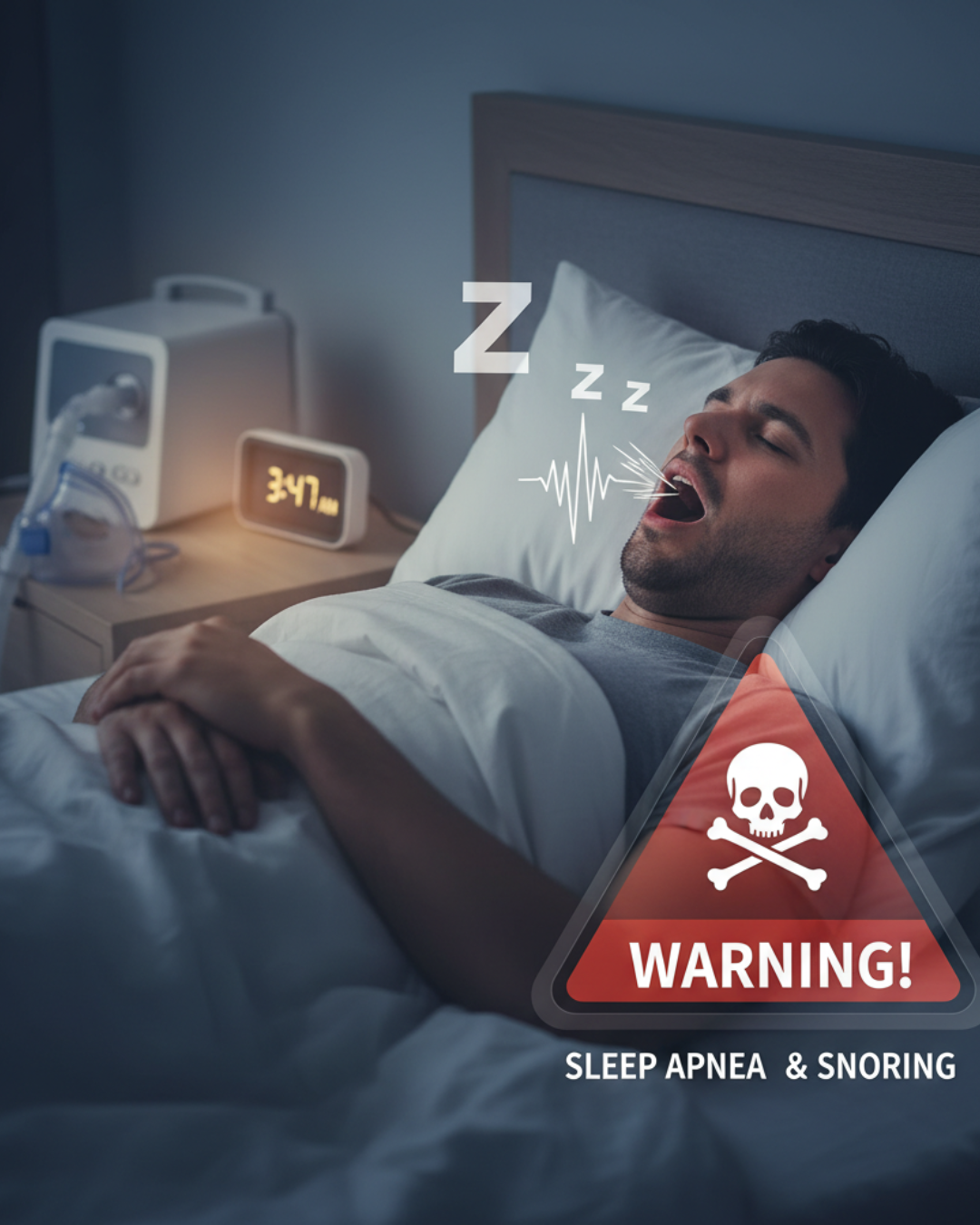
Sleep apnea and snoring are more than just nighttime disturbances—they can signal deeper health concerns. Snoring happens when airflow through the mouth or nose becomes partially blocked, causing vibrations in the throat. Sleep apnea, on the other hand, occurs when breathing repeatedly stops and starts during sleep, leading to oxygen deprivation and poor rest. If ignored, these conditions can increase the risk of high blood pressure, heart problems, and daytime fatigue.
Getting timely medical help from an experienced ENT specialist ensures accurate diagnosis and personalized treatment to improve your quality of life and overall well-being.
Published By microcareenthospitals.com / Updated: OCT 08, 2025
Snoring and sleep apnea are closely related. While snoring can occur independently, it is often a key symptom of obstructive sleep apnea (OSA). In OSA, the airway becomes temporarily blocked, reducing airflow and forcing the body to wake briefly to resume breathing. This repeated disruption can occur dozens or even hundreds of times per night, preventing deep, restorative sleep.
Several factors contribute to these sleep issues, including:
Nasal Blockage: Chronic sinusitis or a deviated septum restricts airflow.
Throat Anatomy: Enlarged tonsils or adenoids narrow the airway.
Obesity: Excess neck tissue can compress the airway.
Lifestyle Factors: Alcohol, sedatives, and smoking relax throat muscles.
Age and Gender: Middle-aged men are more prone, though women are also affected post-menopause.
An ENT specialist can evaluate these factors using nasal endoscopy, imaging, or sleep studies to identify the root cause.
Recognizing symptoms early can prevent long-term complications. Common signs of sleep apnea and snoring include:
Loud, consistent snoring
Gasping, choking, or pauses in breathing during sleep
Excessive daytime sleepiness or lack of focus
Morning headaches and sore throat
Restless sleep or frequent awakenings
Mood changes, irritability, or depression
If you or your partner notice these symptoms, schedule a consultation promptly for a detailed evaluation.
Ignoring sleep apnea and snoring can seriously affect overall health. Over time, repeated oxygen drops during sleep strain the heart and brain, leading to:
High blood pressure and cardiovascular disease
Stroke or heart attack risk
Type 2 diabetes
Memory loss and poor cognitive performance
Chronic fatigue and reduced productivity
Proper diagnosis and treatment not only improve sleep but also protect long-term health and vitality.
A thorough ENT evaluation is crucial. Diagnosis often includes:
Physical Examination: Checking nasal passages, tonsils, and throat structure.
Sleep Study (Polysomnography): Measures breathing, oxygen levels, and sleep stages.
Imaging Tests: CT or MRI scans to assess nasal or throat blockages.
Endoscopic Evaluation: Detects anatomical abnormalities causing airway obstruction.
These advanced tools help doctors customize treatment based on the underlying cause.
Treatment depends on the severity of symptoms and underlying conditions:
1. Lifestyle Modifications
Maintain a healthy weight.
Sleep on your side instead of your back.
Avoid alcohol and sedatives before bedtime.
Quit smoking to reduce airway inflammation.
2. Medical Devices
CPAP Therapy: A continuous positive airway pressure device keeps airways open during sleep.
Oral Appliances: Custom-made devices reposition the jaw and tongue to improve airflow.
3. Surgical Treatments
When anatomical issues cause obstruction, ENT specialists may recommend:
Septoplasty: Corrects a deviated septum for better nasal airflow.
Turbinate Reduction: Reduces enlarged nasal tissues.
Tonsillectomy or Adenoidectomy: Removes enlarged tonsils/adenoids causing blockage.
Palatal Surgery: Tightens soft palate muscles to minimize vibration and snoring.
These procedures offer long-term relief, restoring restful sleep and healthier breathing.
Even after treatment, maintaining healthy habits is vital:
Follow a regular sleep schedule.
Keep your bedroom air clean and humidified.
Exercise regularly to strengthen breathing muscles.
Manage allergies to reduce nasal congestion.
Schedule annual ENT check-ups for early detection.
Consult an ENT expert if snoring becomes frequent, loud, or associated with breathing pauses. Early medical attention helps prevent complications and ensures tailored treatment for sustainable recovery.
Sleep apnea and snoring are warning signs that shouldn’t be ignored. Timely diagnosis and ENT treatment can prevent severe complications and improve sleep quality, focus, and overall health. With modern diagnostic tools and minimally invasive solutions, better sleep and better health are just one consultation away.
To learn more about related ENT conditions and treatments, explore our detailed guides on Sinus Treatment Causes & Remedies, Tonsils Treatment in Hyderabad, and our complete range of ENT Services offered at MicroCare ENT Hospital.
Sign up for free and stay up to date on research advancements, health tips, current health topics, and expertise on managing health.
Call us: +91- 94 94 94 0725
appointments@microcareenthospitals.com
www.microcareenthospitals.com
To learn more about ent, visit our page on MicroCare ENT hospital
Road No 4, KPHB Colony, Hyderabad-500033, Telangana
Road No.36, Jubilee Hills Beside Peddamma Temple Kaman



Microcare ENT Super Specialty International Hospital built as per Hospital norms of Government and NABH. KPHB, Kukatpally, Hyderabad, India. Patients are the biggest beneficiary with Standard norms of hospital as it results in high quality of care and patient safety.
Phone: +91- 94 94 94 0725
Phone: +91- 94 94 94 0726
Road No 4, KPHB Colony,
Hyderabad-500033, Telangana, India
Phone: +91-9603 024 111
Phone: +91-9603 024 222
Road No.36, Jubilee Hills
Beside Peddamma Temple Kaman,
Hyderabad-500033, Telangana, India
appointments@microcareenthospitals.com
Contact us