



Can Snoring Be Dangerous?

hearing loss

patient experiencing chronic snoring and sleep apnea symptoms at MicroCare ENT Hospital

Many people consider snoring a harmless nuisance, but in some cases, it can be a sign of a serious health condition. Occasional snoring is common and may occur due to fatigue, nasal congestion, or sleeping position. However, loud and persistent snoring should never be ignored.

In some individuals, snoring may indicate Obstructive Sleep Apnea (OSA), a condition that causes repeated interruptions in breathing during sleep.

At MicroCare ENT Hospital & Research Institute, Hyderabad, we help diagnose and treat snoring and sleep-related breathing disorders.

Published By microcareenthospitals.com / Updated: June 05, 2026

What Causes Snoring?

Snoring occurs when airflow is partially blocked while sleeping. This causes the tissues in the throat, soft palate, or nose to vibrate, producing the familiar snoring sound.

Common causes include:

  • Nasal congestion
  • Deviated septum
  • Enlarged tonsils
  • Obesity
  • Alcohol consumption before bedtime
  • Sleeping on the back
  • Obstructive Sleep Apnea

Is Snoring Always Dangerous?

Not all snoring is dangerous.

Occasional snoring caused by a cold, allergies, or fatigue is usually temporary and harmless.

However, snoring may become dangerous if it is associated with:

  • Pauses in breathing during sleep
  • Excessive daytime sleepiness
  • Morning headaches
  • Poor sleep quality
  • High blood pressure

These symptoms may indicate sleep apnea.

Warning Signs That Snoring May Be Dangerous

1. Loud, Chronic Snoring

Persistent loud snoring that occurs almost every night should be evaluated by an ENT specialist.

2. Pauses in Breathing

Family members may notice periods where breathing stops briefly during sleep.

This is one of the most important signs of sleep apnea.

3. Excessive Daytime Fatigue

People with sleep apnea often wake up feeling tired despite sleeping for several hours.

4. Morning Headaches

Reduced oxygen levels during sleep can contribute to headaches upon waking.

5. Difficulty Concentrating

Poor sleep quality may affect memory, focus, and work performance.

6. High Blood Pressure

Untreated sleep apnea increases the risk of hypertension and cardiovascular problems.

Health Risks of Untreated Snoring and Sleep Apnea

Ignoring chronic snoring can lead to serious complications.

1. Heart Disease

Sleep apnea increases strain on the heart and may raise the risk of heart disease.

2. Stroke

Reduced oxygen levels can contribute to an increased risk of stroke.

3. Diabetes

Sleep-disordered breathing is linked to insulin resistance and diabetes.

4. High Blood Pressure

Frequent oxygen drops during sleep can increase blood pressure levels.

5. Poor Quality of Life

Untreated snoring affects sleep quality for both the patient and family members.

When Should You See an ENT Specialist?

You should seek immediate ENT evaluation if you experience:

  • Sudden hearing loss in one or both ears
  • Ringing in the ears along with hearing loss
  • Dizziness or balance problems
  • Ear fullness without relief
  • Hearing changes that develop rapidly

Do not wait to see if symptoms improve on their own.

How Is Dangerous Snoring Diagnosed?

At MicroCare ENT Hospital, evaluation may include:

  • ENT examination
  • Nasal endoscopy
  • Sleep history assessment
  • Sleep study (Polysomnography)
  • Airway evaluation

These tests help identify the cause and severity of the problem.

Treatment Options for Snoring

1. Lifestyle Changes

Simple modifications may help reduce snoring:

  • Weight management
  • Avoiding alcohol before sleep
  • Sleeping on the side
  • Maintaining good sleep habits

2. Treatment for Nasal Problems

Conditions such as:

  • Deviated septum
  • Nasal polyps
  • Chronic sinusitis

can be treated to improve airflow.

3. CPAP Therapy

For patients with sleep apnea, Continuous Positive Airway Pressure (CPAP) therapy helps keep the airway open during sleep.

4. Surgical Treatment

Some patients may benefit from procedures that correct airway obstruction caused by:

  • Enlarged tonsils
  • Deviated septum
  • Nasal blockage
  • Airway narrowing

Meet Our Expert ENT Specialist

👨‍⚕️ Prof. Dr. Sriprakash Vinnakota

MBBS, MS (ENT, Head & Neck Surgery)
Chief Consultant ENT Specialist & Microsurgeon

  • 26+ Years Experience
  • Expertise in Snoring, Sleep Apnea, and Airway Disorders

  • Advanced ENT and Sleep Disorder Care

Why Choose MicroCare ENT Hospital?

  • Advanced ENT diagnostic technology
  • Experienced sinus specialists
  • Comprehensive sinus care
  • Personalized treatment plans
  • Convenient location in Kukatpally & KPHB

Final Thoughts

While occasional snoring may not be a concern, persistent and loud snoring can sometimes indicate a serious underlying condition such as sleep apnea. Ignoring the warning signs may increase the risk of heart disease, high blood pressure, and other health problems.

If you or your loved one snores regularly and experiences daytime fatigue or breathing pauses during sleep, consult an ENT specialist for proper evaluation and treatment.

FAQs

1. Is snoring always a sign of sleep apnea?

No. Occasional snoring can occur without sleep apnea, but persistent loud snoring should be evaluated.

Yes. Untreated sleep apnea associated with snoring can increase the risk of heart disease and high blood pressure.

Warning signs include breathing pauses, excessive daytime sleepiness, morning headaches, and choking during sleep.

Yes. ENT specialists can identify the cause of snoring and recommend appropriate treatment.

In selected cases, surgery may improve airflow and reduce snoring caused by structural airway problems.

From MicroCare ENT Hospital to your inbox

Sign up for free and stay up to date on research advancements, health tips, current health topics, and expertise on managing health.

📞 Book Your Consultation Now

👨‍⚕️ Dr. Sriprakash Vinnakota (26+ Years of Experience)

Where Dr. Sriprakash Vinnakota Practices
Team of ENT Surgeons under Prof. Dr. Sriprakash Vinnakota provides advanced ENT, Head & Neck care at the following locations.

📍 MicroCare ENT Hospital – KPHB Colony, Kukatpally
Road No. 4, KPHB Colony, Hyderabad – 500072, Telangana, India

📍 Apollo Hospitals – Financial District
Financial District, Nanakramguda, Serilingampally, Hyderabad – 500032

📞 Book your appointment today: 9494940725 / 26
🌐 www.microcareenthospitals.com

Watch our Related Videos

Sudden Hearing Loss: When Is It a Medical Emergency?

hearing loss

adult experiencing sudden hearing loss in one ear

Imagine waking up one morning and realizing you can barely hear from one ear. Sudden hearing loss can be alarming and frightening, especially when it happens without warning.

Many people mistakenly assume that hearing will return on its own, but sudden hearing loss is often considered a medical emergency. Early diagnosis and treatment can significantly improve the chances of recovery.

At MicroCare ENT Hospital & Research Institute, Hyderabad, we provide expert evaluation and treatment for sudden hearing loss and other hearing disorders.

Published By microcareenthospitals.com / Updated: June 04, 2026

What Is Sudden Hearing Loss?

Sudden hearing loss, also known as Sudden Sensorineural Hearing Loss (SSNHL), is a rapid loss of hearing that occurs within a few hours or up to three days.

It usually affects only one ear and may occur:

  • Suddenly upon waking up
  • During a phone call
  • Over a short period of time

Many patients initially mistake it for earwax blockage or a minor ear infection.

Common Symptoms of Sudden Hearing Loss

Symptoms may include:

  • Sudden decrease in hearing in one ear
  • Muffled sounds
  • Ringing in the ear (tinnitus)
  • Feeling of fullness in the ear
  • Dizziness or vertigo
  • Difficulty understanding speech

If these symptoms appear suddenly, immediate medical attention is essential.

Why Is Sudden Hearing Loss a Medical Emergency?

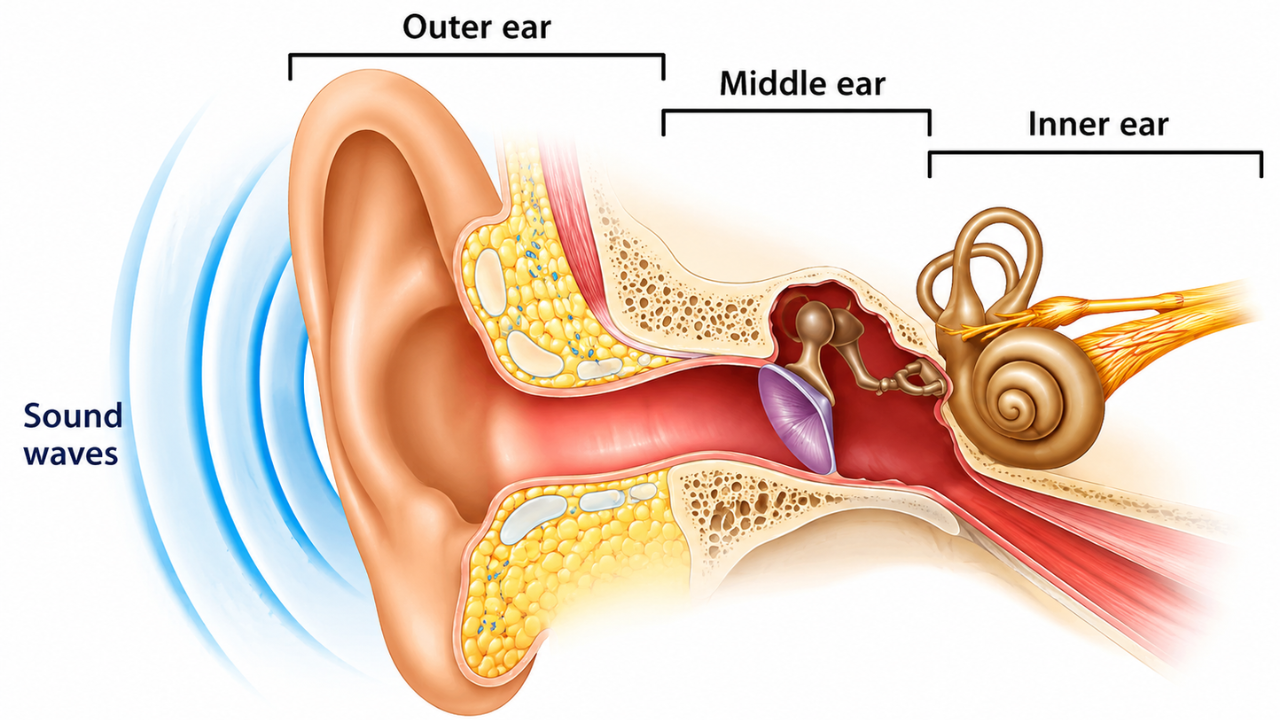
The inner ear contains delicate sensory cells that help transmit sound signals to the brain.

When sudden hearing loss occurs, these structures may be damaged due to:

  • Viral infections
  • Reduced blood supply
  • Autoimmune disorders
  • Inner ear inflammation
  • Neurological conditions

Delaying treatment may result in permanent hearing loss.

Studies show that treatment is most effective when started within the first few days of symptom onset.

What Causes Sudden Hearing Loss?

In many cases, the exact cause remains unknown. However, possible causes include:

1. Viral Infections

Certain viral illnesses may affect the inner ear and hearing nerve.

2. Poor Blood Circulation

Reduced blood flow to the inner ear can damage hearing structures.

3. Autoimmune Disorders

The body’s immune system may mistakenly attack inner ear tissues.

4. Head Trauma

Injuries to the head or ear can trigger sudden hearing changes.

5. Acoustic Trauma

Exposure to extremely loud noise may cause sudden hearing damage.

When Should You See an ENT Specialist?

You should seek immediate ENT evaluation if you experience:

  • Sudden hearing loss in one or both ears
  • Ringing in the ears along with hearing loss
  • Dizziness or balance problems
  • Ear fullness without relief
  • Hearing changes that develop rapidly

Do not wait to see if symptoms improve on their own.

How Is Sudden Hearing Loss Diagnosed?

At MicroCare ENT Hospital, diagnosis may include:

  • Hearing tests (Audiometry)
  • Ear examination
  • Tympanometry
  • Imaging studies if required
  • Evaluation of balance symptoms

Early diagnosis helps determine the best treatment plan.

Treatment Options for Sudden Hearing Loss

1. Medications

Steroids are commonly used to reduce inflammation and improve recovery chances.

2. Intratympanic Steroid Injections

In selected cases, medication may be delivered directly into the middle ear.

3. Treatment of Underlying Conditions

If an infection, autoimmune disease, or vascular issue is identified, targeted treatment may be required.

4. Hearing Rehabilitation

For patients with persistent hearing loss, hearing aids or cochlear implants may be recommended.

Can Sudden Hearing Loss Be Reversed?

Recovery depends on:

  • Cause of hearing loss
  • Severity of damage
  • How quickly treatment begins

Many patients experience partial or complete recovery when treated early.

The sooner you seek care, the better the chances of restoring hearing.

Meet Our Expert ENT Specialist

👨‍⚕️ Prof. Dr. Sriprakash Vinnakota

MBBS, MS (ENT, Head & Neck Surgery)
Chief Consultant ENT Specialist & Microsurgeon

  • 26+ Years Experience
  • Expertise in Hearing Loss, Cochlear Implants, and Ear Disorders

  • Advanced diagnostic and treatment facilities

Why Choose MicroCare ENT Hospital?

  • Advanced ENT diagnostic technology
  • Experienced sinus specialists
  • Comprehensive sinus care
  • Personalized treatment plans
  • Convenient location in Kukatpally & KPHB

Final Thoughts

Sudden hearing loss should never be ignored. What may seem like a minor ear problem could actually be a medical emergency requiring immediate treatment.

If you experience sudden hearing changes, ringing in the ears, or dizziness, consult an ENT specialist without delay. Early intervention can make a significant difference in preserving your hearing.

FAQs

1. Is sudden hearing loss an emergency?

Yes. Sudden hearing loss requires immediate medical evaluation and treatment.

It usually affects one ear, but in rare cases both ears may be involved.

You should seek medical attention as soon as possible, ideally within 24–72 hours.

Many patients recover partially or completely if treatment begins early.

Sudden hearing reduction, ear fullness, tinnitus, dizziness, and muffled hearing are common warning signs.

From MicroCare ENT Hospital to your inbox

Sign up for free and stay up to date on research advancements, health tips, current health topics, and expertise on managing health.

📞 Book Your Consultation Now

👨‍⚕️ Dr. Sriprakash Vinnakota (26+ Years of Experience)

Where Dr. Sriprakash Vinnakota Practices
Team of ENT Surgeons under Prof. Dr. Sriprakash Vinnakota provides advanced ENT, Head & Neck care at the following locations.

📍 MicroCare ENT Hospital – KPHB Colony, Kukatpally
Road No. 4, KPHB Colony, Hyderabad – 500072, Telangana, India

📍 Apollo Hospitals – Financial District
Financial District, Nanakramguda, Serilingampally, Hyderabad – 500032

📞 Book your appointment today: 9494940725 / 26
🌐 www.microcareenthospitals.com

Watch our Related Videos

Why Is My Hearing Decreasing Slowly? Common Causes Explained

hearing loss

slow hearing loss symptoms ear problems Hyderabad

Hearing loss often develops gradually, making it difficult to notice in the early stages. Many people ignore mild hearing difficulties until conversations become unclear or everyday sounds seem quieter than before.

Slow hearing loss can affect people of all ages and may result from aging, infections, noise exposure, or underlying ear conditions. Early diagnosis is important to prevent further hearing damage and improve quality of life.

At MicroCare ENT Hospital & Research Institute, we provide advanced hearing evaluation and hearing loss treatment in Hyderabad.

Published By microcareenthospitals.com / Updated: May 15, 2026

Common Signs of Gradual Hearing Loss

Many patients do not realize their hearing is decreasing slowly because symptoms develop over time.

Common Symptoms Include:

  • Difficulty hearing conversations clearly
  • Frequently asking people to repeat themselves
  • Increasing TV or phone volume
  • Trouble hearing in noisy places
  • Ringing sound in the ears (tinnitus)
  • Feeling like others are speaking softly

Patients in Kukatpally, KPHB, and Hyderabad commonly seek ENT consultation for these symptoms.

Common Causes of Slow Hearing Loss

1. Aging (Age-Related Hearing Loss)

Natural aging can gradually damage the inner ear and reduce hearing ability over time.

This is one of the most common causes of hearing loss in adults.

2. Repeated Ear Infections

Chronic ear infections may damage the eardrum or middle ear structures, affecting hearing.

Persistent ear discharge or infections should never be ignored.

3. Excessive Noise Exposure

Long-term exposure to:

  • Loud music
  • Traffic noise
  • Industrial machinery
  • Earphones at high volume

can permanently damage hearing.

4. Earwax Blockage

Excess earwax can block sound transmission and reduce hearing temporarily.

Professional ear cleaning by an ENT specialist is recommended.

5. Eardrum Damage

A perforated or damaged eardrum may cause gradual hearing reduction and repeated infections.

Some patients may require tympanoplasty surgery in Hyderabad for treatment.

6. Inner Ear Disorders

Conditions affecting the inner ear or auditory nerve can lead to progressive hearing loss.

When Should You See an ENT Specialist?

Consult an ENT specialist if:

  • Hearing loss is gradually worsening
  • You experience ringing in the ears
  • Ear infections occur repeatedly
  • Difficulty hearing conversations
  • Ear pain or dizziness is present

Early treatment can help protect hearing and prevent complications.

How Hearing Loss Is Diagnosed

At MicroCare ENT Hospital, hearing evaluation may include:

  • Audiometry (hearing test)
  • Ear examination
  • Tympanometry
  • Microscopic ear evaluation

Advanced diagnostic technology helps identify the exact cause of hearing loss.

Hearing Loss Treatment in Hyderabad

Treatment depends on the underlying cause.

1. Medical Treatment

  • Ear infection treatment
  • Wax removal
  • Anti-inflammatory medications

2. Hearing Aids

For moderate hearing loss, hearing aids may improve hearing clarity and communication.

3. Surgical Treatment

Some conditions may require:

  • Tympanoplasty surgery
  • Ear reconstruction procedures
  • Cochlear implant evaluation

Tips to Protect Your Hearing

  • Avoid loud noise exposure
  • Reduce earphone volume
  • Keep ears dry and clean
  • Treat ear infections early
  • Avoid inserting objects into the ear

Benefits of Tympanoplasty Surgery

  • Improved hearing ability
  • Reduced ear infections
  • Better ear protection
  • Improved quality of life

Early treatment can prevent long-term hearing complications.

Meet Our Expert ENT Specialist

👨‍⚕️ Prof. Dr. Sriprakash Vinnakota

MBBS, MS (ENT, Head & Neck Surgery)
Chief Consultant ENT Specialist & Microsurgeon

  • 26+ Years Experience
  • Expertise in ear surgery, tympanoplasty, and advanced ENT procedures

Dr. Sriprakash is known for providing advanced ear care and personalized ENT treatment in Hyderabad.

Why Choose MicroCare ENT Hospital?

  • Advanced ENT diagnostic technology
  • Experienced sinus specialists
  • Comprehensive sinus care
  • Personalized treatment plans
  • Convenient location in Kukatpally & KPHB

Final Thoughts

Gradual hearing loss should never be ignored, as early diagnosis can prevent permanent hearing damage and improve quality of life.

If you are noticing difficulty hearing conversations or increased ear-related symptoms, consult an ENT specialist for proper evaluation and treatment.

FAQs

1. Why is my hearing decreasing slowly?

Gradual hearing loss may occur due to aging, repeated ear infections, noise exposure, or inner ear problems.

Yes, many hearing problems can be treated with medications, hearing aids, or surgical procedures depending on the cause.

Some types of hearing loss are temporary, while others may be permanent if not treated early.

Yes, chronic ear infections can damage the eardrum and middle ear, leading to hearing problems.

You should consult an ENT doctor if hearing difficulty is worsening, persistent, or associated with ear pain, ringing, or infections.

From MicroCare ENT Hospital to your inbox

Sign up for free and stay up to date on research advancements, health tips, current health topics, and expertise on managing health.

📞 Book Your Consultation Now

MicroCare ENT Hospital & Research Institute
📍 KPHB Colony, Kukatpally | Jubilee Hills
📲 9494940725 / 26
🌐 https://microcareenthospitals.com/sinusitis-treatment-hyderabad/

To learn more about ENT, visit our page MicroCare ENT.

Watch our Related Videos