

Signs of a Pituitary Tumor You Should Never Ignore

rhinoplasty Hyderabad

patient experiencing headache and vision problems due to pituitary tumor in Hyderabad

The pituitary gland is a small but powerful gland located at the base of the brain. Often called the “master gland,” it controls many important hormones that regulate growth, metabolism, reproduction, and other vital body functions.

While most pituitary tumors are non-cancerous (benign), they can still cause significant health problems by affecting hormone production or putting pressure on nearby structures such as the optic nerves.

Recognizing the warning signs early can help ensure timely diagnosis and treatment.

At MicroCare ENT Hospital & Research Institute, Hyderabad, our skull base surgery team works closely with neurosurgeons to diagnose and manage pituitary tumors using advanced endoscopic techniques.

Published By microcareenthospitals.com / Updated: June 15, 2026

What Is a Pituitary Tumor?

A pituitary tumor is an abnormal growth that develops in the pituitary gland.

These tumors can be:

1. Functioning Tumors

These produce excess hormones and may cause hormonal imbalances.

2. Non-Functioning Tumors

These do not produce hormones but may grow large enough to compress nearby structures.

Signs of a Pituitary Tumor You Should Never Ignore

1. Frequent or Persistent Headaches

One of the most common symptoms of a pituitary tumor is recurring headaches.

Patients may experience:

  • Pressure behind the eyes
  • Chronic headaches that don’t improve
  • Increasing headache frequency

While headaches can have many causes, persistent headaches combined with other symptoms should be evaluated.

2. Vision Problems

Because the pituitary gland is located close to the optic nerves, a growing tumor may affect vision.

Symptoms may include:

  • Blurred vision
  • Double vision
  • Loss of peripheral vision
  • Difficulty seeing objects on the sides

Vision changes should never be ignored.

3. Unexplained Hormonal Changes

Pituitary tumors can disrupt hormone production and cause symptoms such as:

  • Weight gain or weight loss
  • Fatigue
  • Menstrual irregularities
  • Reduced libido
  • Infertility

Hormonal symptoms often develop gradually.

4. Excessive Tiredness and Weakness

Persistent fatigue may occur due to hormone imbalances caused by pituitary dysfunction.

Patients often report:

  • Lack of energy
  • Difficulty concentrating
  • Reduced physical performance

5. Unexplained Weight Changes

Sudden weight gain or unexplained weight loss may be linked to hormone-producing pituitary tumors.

6. Menstrual Irregularities in Women

Women may experience:

  • Missed periods
  • Irregular menstrual cycles
  • Difficulty becoming pregnant

These symptoms may be associated with elevated prolactin levels.

7. Erectile Dysfunction in Men

Men with pituitary tumors may experience:

  • Reduced testosterone levels
  • Decreased libido
  • Erectile dysfunction

Hormonal evaluation may be necessary.

8. Growth Changes in Hands, Feet, or Face

Certain pituitary tumors produce excess growth hormone.

This may cause:

  • Enlarged hands and feet
  • Changes in facial appearance
  • Increased shoe or ring size

This condition is known as acromegaly.

9. Excessive Thirst and Frequent Urination

Some pituitary tumors affect water balance in the body.

Patients may notice:

  • Increased thirst
  • Frequent urination
  • Dehydration symptoms

10. Nausea or Balance Problems

Large pituitary tumors may cause pressure effects resulting in:

  • Dizziness
  • Nausea
  • Balance disturbances

When Should You See a Doctor?

Seek medical attention if you experience:

  • Persistent headaches
  • Vision changes
  • Unexplained hormonal symptoms
  • Menstrual abnormalities
  • Unusual growth changes
  • Ongoing fatigue without a clear cause

Early diagnosis can prevent complications and improve treatment outcomes.

How Is a Pituitary Tumor Diagnosed?

Diagnosis may include:

  • MRI Brain Scan
  • Hormone Blood Tests
  • Vision Assessment
  • Endocrinology Evaluation
  • Skull Base Imaging Studies

A multidisciplinary approach helps determine the most appropriate treatment plan.

Treatment Options for Pituitary Tumors

Treatment depends on the size, type, and symptoms of the tumor.

1.  Observation

Small tumors without symptoms may only require monitoring.

2. Medications

Certain hormone-producing tumors respond well to medication.

3. Endoscopic Pituitary Surgery

Minimally invasive surgery through the nose is often used to remove pituitary tumors.

Benefits include:

  • No external facial scars
  • Faster recovery
  • Improved visualization
  • Reduced hospital stay

4. Radiation Therapy

In selected cases, radiation may be recommended.

Advanced Endoscopic Skull Base Surgery

Modern pituitary surgery is commonly performed using endoscopic anterior skull base surgery, allowing surgeons to access the tumor through the nasal passages without external incisions.

This technique offers:

  • Greater precision
  • Minimal tissue damage
  • Faster recovery
  • Improved patient comfort

Meet Our Expert ENT Specialist

👨‍⚕️ Prof. Dr. Sriprakash Vinnakota

MBBS, MS (ENT, Head & Neck Surgery)
Chief Consultant ENT Specialist & Microsurgeon

  • 26+ Years Experience
  • Expertise in Rhinoplasty, Septoplasty, and Advanced Nasal Surgery

  • Specialized treatment for breathing disorders and sinus problems

Why Choose MicroCare ENT Hospital?

  • Advanced ENT diagnostic technology
  • Experienced sinus specialists
  • Comprehensive sinus care
  • Personalized treatment plans
  • Convenient location in Kukatpally & KPHB

Final Thoughts

Pituitary tumors are often treatable, especially when diagnosed early. Symptoms such as persistent headaches, vision changes, hormonal imbalances, and unexplained fatigue should never be ignored.

If you experience any of these warning signs, consult a specialist for a thorough evaluation. Early detection and advanced treatment can significantly improve outcomes and quality of life.

FAQs

1. Are pituitary tumors cancerous?

Most pituitary tumors are benign (non-cancerous), but they can still cause significant health problems.


Persistent headaches and vision changes are among the most common symptoms.


Yes. Many pituitary tumors alter hormone production and cause hormonal imbalances.


Modern endoscopic pituitary surgery is considered safe and minimally invasive when performed by experienced specialists.


Some pituitary tumors respond to medications or observation, depending on their type and size.

From MicroCare ENT Hospital to your inbox

Sign up for free and stay up to date on research advancements, health tips, current health topics, and expertise on managing health.

📞 Book Your Consultation Now

👨‍⚕️ Dr. Sriprakash Vinnakota (26+ Years of Experience)

Where Dr. Sriprakash Vinnakota Practices
Team of ENT Surgeons under Prof. Dr. Sriprakash Vinnakota provides advanced ENT, Head & Neck care at the following locations.

📍 MicroCare ENT Hospital – KPHB Colony, Kukatpally
Road No. 4, KPHB Colony, Hyderabad – 500072, Telangana, India

📍 Apollo Hospitals – Financial District
Financial District, Nanakramguda, Serilingampally, Hyderabad – 500032

📞 Book your appointment today: 9494940725 / 26
🌐 www.microcareenthospitals.com

Watch our Related Videos

Signs Your Child May Need Speech Therapy

rhinoplasty Hyderabad

child receiving speech therapy at MicroCare ENT Hospital Hyderabad

Every child develops speech and language skills at their own pace. However, when speech development is significantly delayed or communication difficulties persist, it may be a sign that professional help is needed.

Speech therapy can play a crucial role in helping children improve their communication, language, and social interaction skills. Early intervention often leads to better outcomes and increased confidence.

At MicroCare ENT Hospital & Research Institute, Hyderabad, our speech and language experts help children overcome speech and communication challenges through personalized therapy programs.

Published By microcareenthospitals.com / Updated: June 13, 2026

What Is Speech Therapy?

Speech therapy is a specialized treatment that helps children improve:

  • Speech clarity
  • Language development
  • Pronunciation
  • Communication skills
  • Social interaction abilities
  • Voice quality

Speech therapists assess a child’s communication abilities and develop customized therapy plans based on their needs.

Why Early Detection Matters

Children learn language rapidly during their early years.

Identifying speech and language difficulties early can:

  • Improve communication skills
  • Support academic success
  • Enhance social interactions
  • Build self-confidence
  • Prevent long-term developmental challenges

Signs Your Child May Need Speech Therapy

1. Delayed Speech Development

One of the most common reasons parents seek speech therapy is delayed speech.

Your child may need evaluation if:

  • They say very few words compared to other children their age.
  • They are not combining words into short phrases by the expected age.

2. Difficulty Pronouncing Words

If your child frequently mispronounces sounds or words and is difficult to understand, speech therapy may help improve speech clarity.

Examples include:

  • Replacing sounds
  • Omitting sounds
  • Consistently unclear speech

3. Limited Vocabulary

Children who struggle to learn new words or have a significantly smaller vocabulary than their peers may benefit from professional assessment.

4. Difficulty Following Instructions

Language difficulties may affect a child’s ability to understand and follow age-appropriate instructions.

Examples:

  • Trouble following simple directions
  • Difficulty understanding questions
  • Frequent confusion during conversations

5. Stuttering or Repeating Sounds

Occasional repetition is normal during language development.

However, persistent stuttering, frequent repetition of sounds, or noticeable speech interruptions may require therapy.

6. Difficulty Forming Sentences

Children who struggle to put words together into meaningful sentences may have language development challenges.

7. Trouble Interacting With Others

Speech and language difficulties can affect:

  • Making friends
  • Participating in conversations
  • Expressing thoughts and emotions

8. Voice Problems

A child who consistently has:

  • A hoarse voice
  • Nasal speech
  • Unusual voice quality

should be evaluated by an ENT specialist and speech therapist.

9. Hearing Problems Affecting Speech

Hearing plays a major role in speech development.

Children with hearing loss may:

  • Speak less
  • Mispronounce words
  • Experience delayed language development

Early hearing assessment is essential.

10. Frustration While Communicating

Children who struggle to express themselves may become:

  • Frustrated
  • Withdrawn
  • Emotionally upset during conversations

Speech therapy can help improve communication confidence.

Common Causes of Speech Delays

Speech and language difficulties may be associated with:

1. Hearing Loss

Undiagnosed hearing problems can significantly impact speech development.

2. Developmental Delays

Some children develop communication skills more slowly than others.

3. Autism Spectrum Disorder

Speech and language delays may be one of several developmental concerns.

4. Neurological Conditions

Certain neurological disorders can affect communication abilities.

5. Oral-Motor Difficulties

Problems with the muscles used for speech can impact pronunciation and clarity.

When Should Parents Seek Help?

Consult a speech therapist or ENT specialist if:

  • Your child has delayed speech milestones
  • Speech is difficult for others to understand
  • Stuttering persists
  • Hearing problems are suspected
  • Social communication difficulties are present

The earlier the intervention, the better the outcome.

How Speech Therapy Helps

Speech therapy programs may focus on:

  • Improving pronunciation
  • Expanding vocabulary
  • Building language skills
  • Strengthening communication confidence
  • Enhancing social interaction skills

Therapy sessions are tailored to each child’s unique needs.

Meet Our Expert ENT Specialist

👨‍⚕️ ENT Specialists
🗣️ Speech-Language Pathologists
👂 Audiologists

We work together to identify underlying causes and provide comprehensive speech and hearing care.

Why Choose MicroCare ENT Hospital?

  • Experienced Speech Therapists
  • Comprehensive Hearing Evaluation
  • Child-Friendly Therapy Environment
  • Personalized Treatment Plans
  • Advanced Diagnostic Facilities
  • Locations in Kukatpally & KPHB Hyderabad

Final Thoughts

Every child develops differently, but persistent speech or language difficulties should not be ignored. Early recognition and timely speech therapy can make a significant difference in a child’s communication abilities, confidence, and overall development.

If you’re concerned about your child’s speech, schedule an evaluation with a speech therapist and ENT specialist for expert guidance.

FAQs

1. At what age should a child start speaking?

Most children begin saying simple words around 12 months and start combining words by age 2.

No. Some children develop later than others, but persistent delays should be evaluated.


Yes. Hearing difficulties are a common cause of speech and language delays.


The duration depends on the child’s specific needs and progress.


Yes. Early intervention often leads to better communication and developmental outcomes.

From MicroCare ENT Hospital to your inbox

Sign up for free and stay up to date on research advancements, health tips, current health topics, and expertise on managing health.

📞 Book Your Consultation Now

👨‍⚕️ Dr. Sriprakash Vinnakota (26+ Years of Experience)

Where Dr. Sriprakash Vinnakota Practices
Team of ENT Surgeons under Prof. Dr. Sriprakash Vinnakota provides advanced ENT, Head & Neck care at the following locations.

📍 MicroCare ENT Hospital – KPHB Colony, Kukatpally
Road No. 4, KPHB Colony, Hyderabad – 500072, Telangana, India

📍 Apollo Hospitals – Financial District
Financial District, Nanakramguda, Serilingampally, Hyderabad – 500032

📞 Book your appointment today: 9494940725 / 26
🌐 www.microcareenthospitals.com

Watch our Related Videos

Why Is One Side of My Nose Always Blocked? Could Rhinoplasty Help?

rhinoplasty Hyderabad

man experiencing one-sided nasal blockage seeking rhinoplasty treatment in Hyderabad

Do you often feel like one side of your nose is always blocked, making it difficult to breathe comfortably? While occasional nasal congestion can be caused by allergies or a cold, persistent blockage on one side of the nose may indicate an underlying structural problem.

Many people live with chronic nasal obstruction without realizing that effective treatment options are available. In some cases, functional rhinoplasty can help correct the problem and restore normal breathing.

At MicroCare ENT Hospital & Research Institute, Hyderabad, our ENT specialists evaluate and treat nasal blockage using advanced diagnostic techniques and personalized treatment plans.

Published By microcareenthospitals.com / Updated: June 12, 2026

Is It Normal for One Nostril to Feel More Blocked?

The body naturally alternates airflow between nostrils through a process called the nasal cycle. This is normal and usually goes unnoticed.

However, if one side of your nose feels blocked most of the time or causes significant breathing difficulty, it may indicate a medical condition that requires evaluation.

Common Causes of One-Sided Nasal Blockage

1. Deviated Septum

One of the most common causes of chronic nasal blockage is a deviated septum.

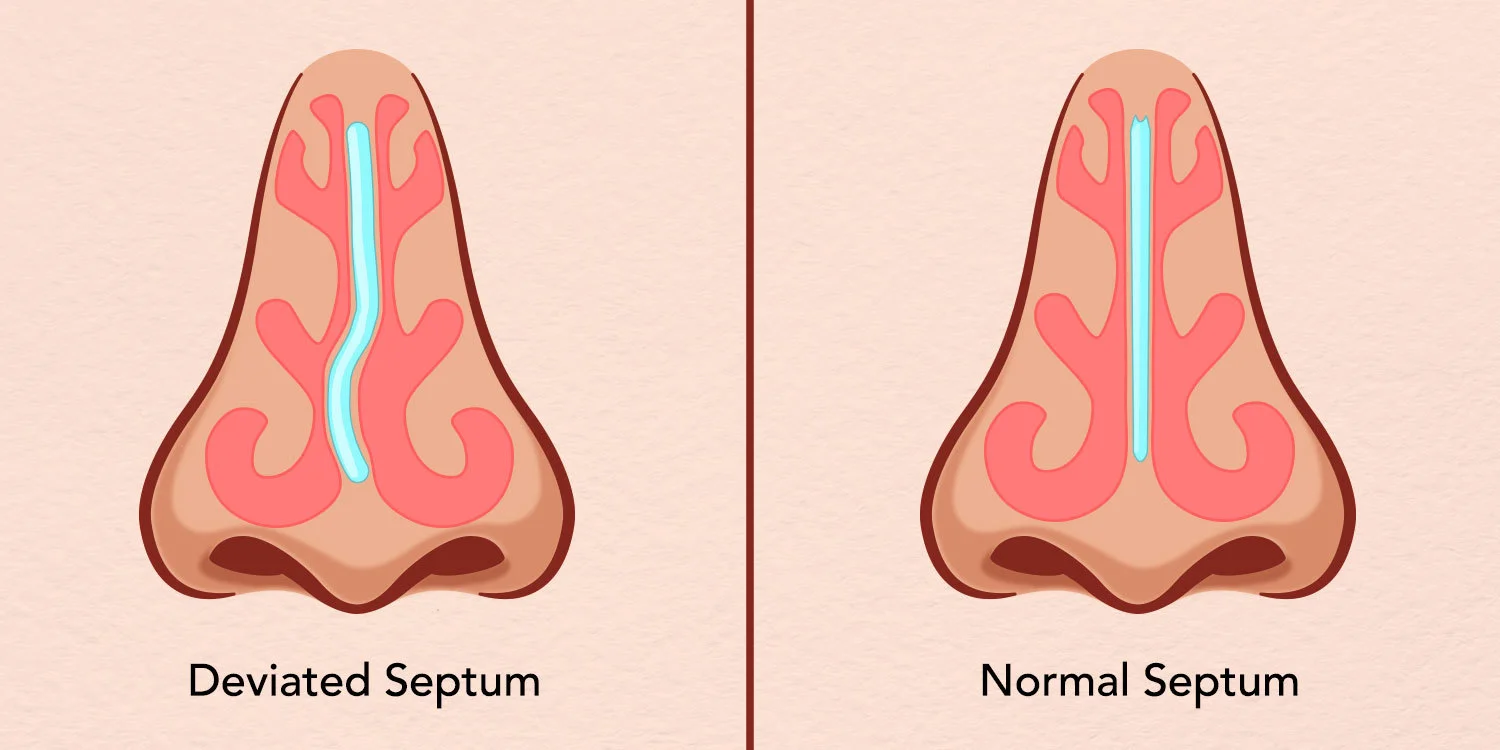
The nasal septum is the wall that separates the two nostrils. When it is shifted to one side, it can partially block airflow.

Symptoms may include:

  • Difficulty breathing through one nostril
  • Frequent nasal congestion
  • Snoring
  • Recurrent sinus infections

2. Enlarged Turbinates

Turbinates are structures inside the nose that help filter and humidify air.

When enlarged, they can restrict airflow and contribute to chronic nasal blockage.

3. Nasal Polyps

Nasal polyps are soft, non-cancerous growths that can develop inside the nasal passages.

They may cause:

  • Nasal congestion
  • Reduced sense of smell
  • Breathing difficulties

4. Chronic Sinusitis

Long-term sinus inflammation can cause swelling inside the nasal passages and make one side feel blocked.

5. Nasal Valve Collapse

The nasal valve is the narrowest part of the nasal airway.

Weakness or collapse in this area can significantly reduce airflow during breathing.

6. Previous Nasal Injury

A broken nose or past facial trauma may alter nasal structure and lead to persistent blockage.

Signs That Your Nasal Blockage Needs Medical Attention

Consult an ENT specialist if you experience:

  • One nostril blocked for several weeks or months
  • Difficulty breathing through your nose
  • Frequent sinus infections
  • Snoring or sleep disturbances
  • Facial pressure or headaches
  • Reduced sense of smell

Could Rhinoplasty Help?

In many cases, yes.

When nasal blockage is caused by structural abnormalities, functional rhinoplasty can improve airflow and breathing.

Unlike cosmetic rhinoplasty, functional rhinoplasty focuses on correcting internal nasal problems that interfere with normal breathing.

How Rhinoplasty Can Improve Breathing

1. Correcting a Deviated Septum

Functional rhinoplasty may be combined with septoplasty to straighten the nasal septum and improve airflow.

2. Strengthening the Nasal Valve

Weak nasal structures can be reinforced to prevent airway collapse.

3. Improving Nasal Symmetry

Reshaping the nose can help optimize airflow through both nostrils.

4. Addressing Trauma-Related Problems

Patients with previous nasal injuries often benefit from reconstructive rhinoplasty procedures.

Benefits of Functional Rhinoplasty

1. Better Nasal Breathing

Improved airflow allows easier breathing during daily activities and exercise.

2. Better Sleep Quality

Reduced nasal obstruction can help decrease snoring and improve sleep.

3. Fewer Sinus Problems

Improved drainage may reduce recurrent sinus infections.

4. Enhanced Quality of Life

Patients often experience improved comfort and confidence.

5. Improved Appearance

In some cases, cosmetic improvements can be achieved alongside functional correction.

How Is the Condition Diagnosed?

At MicroCare ENT Hospital, diagnosis may include:

  • Detailed ENT examination
  • Nasal endoscopy
  • CT scan of the sinuses (if required)
  • Airway assessment
  • Evaluation of nasal structure

These tests help identify the exact cause of the blockage.

Meet Our Expert ENT Specialist

👨‍⚕️ Prof. Dr. Sriprakash Vinnakota

MBBS, MS (ENT, Head & Neck Surgery)
Chief Consultant ENT Specialist & Microsurgeon

  • 26+ Years Experience
  • Expertise in Rhinoplasty, Septoplasty, and Advanced Nasal Surgery

  • Specialized treatment for breathing disorders and sinus problems

Why Choose MicroCare ENT Hospital?

  • Advanced ENT diagnostic technology
  • Experienced sinus specialists
  • Comprehensive sinus care
  • Personalized treatment plans
  • Convenient location in Kukatpally & KPHB

Final Thoughts

A persistently blocked nostril should not be ignored. While allergies and infections can contribute to nasal congestion, structural issues such as a deviated septum or nasal valve collapse often require specialized treatment.

If one side of your nose always feels blocked and affects your breathing or sleep, consult an ENT specialist. Functional rhinoplasty may provide long-term relief and significantly improve your quality of life.

FAQs

1. Why is only one side of my nose blocked?

A deviated septum, nasal polyps, enlarged turbinates, or sinus inflammation may be responsible.


Yes. Functional rhinoplasty can correct structural problems and improve airflow.


No. Other conditions such as allergies, polyps, or chronic sinusitis can also cause blockage.


If structural abnormalities contribute to poor sinus drainage, rhinoplasty may help reduce symptoms.


Most patients return to normal activities within 1–2 weeks, with continued improvement over several months.

From MicroCare ENT Hospital to your inbox

Sign up for free and stay up to date on research advancements, health tips, current health topics, and expertise on managing health.

📞 Book Your Consultation Now

👨‍⚕️ Dr. Sriprakash Vinnakota (26+ Years of Experience)

Where Dr. Sriprakash Vinnakota Practices
Team of ENT Surgeons under Prof. Dr. Sriprakash Vinnakota provides advanced ENT, Head & Neck care at the following locations.

📍 MicroCare ENT Hospital – KPHB Colony, Kukatpally
Road No. 4, KPHB Colony, Hyderabad – 500072, Telangana, India

📍 Apollo Hospitals – Financial District
Financial District, Nanakramguda, Serilingampally, Hyderabad – 500032

📞 Book your appointment today: 9494940725 / 26
🌐 www.microcareenthospitals.com

Watch our Related Videos

Can Rhinoplasty Fix Sinus & Breathing Problems?

rhinoplasty Hyderabad

woman suffering from sinus and breathing problems before rhinoplasty treatment in Hyderabad

Many people think rhinoplasty is only performed to improve the appearance of the nose. However, rhinoplasty can also play an important role in improving nasal function, especially for people struggling with breathing difficulties and chronic sinus problems.

If you frequently experience nasal blockage, difficulty breathing through your nose, recurrent sinus infections, or poor sleep due to nasal obstruction, functional rhinoplasty may help improve both your breathing and quality of life.

At MicroCare ENT Hospital & Research Institute, Hyderabad, we provide advanced rhinoplasty procedures designed to enhance both appearance and nasal function.

Published By microcareenthospitals.com / Updated: June 11, 2026

What Is Rhinoplasty?

Rhinoplasty is a surgical procedure that reshapes or reconstructs the nose.

The procedure may be performed for:

  • Cosmetic enhancement
  • Correction of nasal deformities
  • Repair of nasal injuries
  • Improvement of breathing problems
  • Functional correction of nasal structures

When rhinoplasty is performed to improve breathing, it is known as functional rhinoplasty.

Can Rhinoplasty Help Sinus Problems?

In many cases, yes.

While rhinoplasty does not directly cure sinusitis, it can correct structural issues that contribute to chronic sinus problems.

1. Deviated Septum

A deviated septum can block airflow and prevent proper sinus drainage.

This may lead to:

  • Frequent sinus infections
  • Nasal congestion
  • Facial pressure
  • Difficulty breathing

Correcting the nasal structure can improve sinus drainage and reduce recurring symptoms.

2. Nasal Obstruction

Narrow or collapsed nasal passages can restrict airflow and worsen sinus issues.

Functional rhinoplasty helps create better airflow through the nose.

3. Nasal Valve Collapse

The nasal valve is the narrowest part of the airway.

When it collapses, patients may experience:

  • Chronic nasal blockage
  • Difficulty breathing during exercise
  • Poor sleep quality

Rhinoplasty can strengthen and support these structures.

4. How Rhinoplasty Improves Breathing

🔹Better Airflow

Reshaping internal nasal structures allows air to pass more freely through the nose.

🔹Correction of Structural Problems

Functional rhinoplasty can address:

  • Deviated septum
  • Nasal valve collapse
  • Nasal asymmetry
  • Post-traumatic deformities

🔹 Improved Sleep

Many patients report:

  • Less nasal blockage
  • Reduced mouth breathing
  • Better sleep quality
  • Improved daytime energy

🔹 Reduced Snoring

In some patients, improved airflow may help reduce snoring caused by nasal obstruction.

Signs You May Benefit From Functional Rhinoplasty

You should consult an ENT specialist if you experience:

  • Chronic nasal blockage
  • Frequent sinus infections
  • Difficulty breathing through the nose
  • Mouth breathing during sleep
  • Snoring related to nasal obstruction
  • Previous nasal injury affecting airflow

Patients in Kukatpally, KPHB, and Hyderabad commonly seek evaluation for these symptoms.

Benefits of Rhinoplasty for Sinus and Breathing Problems

1. Improved Nasal Breathing

One of the most significant benefits is better airflow through both nostrils.

2. Better Sinus Drainage

Improved nasal anatomy helps reduce sinus blockage.

3. Fewer Sinus Infections

Patients may experience fewer episodes of chronic sinusitis.

4. Improved Sleep Quality

Breathing comfortably through the nose can improve sleep and overall well-being.

5. Enhanced Appearance

Many patients enjoy cosmetic improvements alongside functional benefits.

Rhinoplasty Recovery

Most patients experience:

  • Mild swelling
  • Temporary congestion
  • Minor discomfort

Many return to routine activities within 1–2 weeks.

Breathing continues to improve as internal swelling resolves.

How Is the Condition Diagnosed?

At MicroCare ENT Hospital, evaluation may include:

  • ENT examination
  • Nasal endoscopy
  • CT scan of the sinuses (if required)
  • Breathing assessment
  • Airway evaluation

These tests help identify whether structural abnormalities are contributing to sinus and breathing problems.

Meet Our Expert ENT Specialist

👨‍⚕️ Prof. Dr. Sriprakash Vinnakota

MBBS, MS (ENT, Head & Neck Surgery)
Chief Consultant ENT Specialist & Microsurgeon

  • 26+ Years Experience
  • Expertise in Rhinoplasty, Septoplasty, and Advanced Nasal Surgery

  • Specialized treatment for breathing disorders and sinus problems

Why Choose MicroCare ENT Hospital?

  • Advanced ENT diagnostic technology
  • Experienced sinus specialists
  • Comprehensive sinus care
  • Personalized treatment plans
  • Convenient location in Kukatpally & KPHB

Final Thoughts

Rhinoplasty is not just a cosmetic procedure. For many patients, it can significantly improve breathing, reduce nasal obstruction, and help manage chronic sinus-related problems caused by structural abnormalities.

If you suffer from frequent sinus infections, nasal blockage, or difficulty breathing through your nose, consult an experienced ENT specialist to determine whether functional rhinoplasty may be the right solution.

FAQs

1. Can rhinoplasty cure sinusitis?

Rhinoplasty does not directly cure sinusitis but can correct structural issues that contribute to sinus problems.

Yes. Functional rhinoplasty is specifically designed to improve nasal airflow and breathing.

Septoplasty corrects a deviated septum, while rhinoplasty reshapes the nose and can also improve nasal function.

If snoring is caused by nasal obstruction, rhinoplasty may help improve airflow and reduce symptoms.

Most patients return to normal activities within 1–2 weeks, with continued improvement over several months.

From MicroCare ENT Hospital to your inbox

Sign up for free and stay up to date on research advancements, health tips, current health topics, and expertise on managing health.

📞 Book Your Consultation Now

👨‍⚕️ Dr. Sriprakash Vinnakota (26+ Years of Experience)

Where Dr. Sriprakash Vinnakota Practices
Team of ENT Surgeons under Prof. Dr. Sriprakash Vinnakota provides advanced ENT, Head & Neck care at the following locations.

📍 MicroCare ENT Hospital – KPHB Colony, Kukatpally
Road No. 4, KPHB Colony, Hyderabad – 500072, Telangana, India

📍 Apollo Hospitals – Financial District
Financial District, Nanakramguda, Serilingampally, Hyderabad – 500032

📞 Book your appointment today: 9494940725 / 26
🌐 www.microcareenthospitals.com

Watch our Related Videos

Can Rhinoplasty Fix Breathing Problems?

rhinoplasty Hyderabad

patient breathing comfortably after rhinoplasty surgery Hyderabad

Many people think rhinoplasty is only a cosmetic procedure designed to improve the appearance of the nose. However, rhinoplasty can also be performed to correct structural issues that affect breathing.

If you frequently experience a blocked nose, difficulty breathing through one or both nostrils, snoring, or recurrent sinus infections, rhinoplasty may help improve nasal airflow and overall quality of life.

At MicroCare ENT Hospital & Research Institute, Hyderabad, we offer advanced rhinoplasty and nasal surgery solutions that improve both appearance and breathing function.

Published By microcareenthospitals.com / Updated: June 02, 2026

What Is Rhinoplasty?

Rhinoplasty, commonly known as nose reshaping surgery, is a procedure that changes the structure of the nose.

While some patients choose rhinoplasty for cosmetic reasons, others undergo surgery to:

  • Improve breathing
  • Correct nasal deformities
  • Repair injuries
  • Treat structural abnormalities

When rhinoplasty is performed to improve nasal function, it is often called functional rhinoplasty.

Common Causes of Breathing Problems

Several nasal conditions can make breathing difficult.

1. Deviated Septum

A deviated septum occurs when the wall separating the nostrils is displaced to one side.

This may cause:

  • Chronic nasal blockage
  • Difficulty breathing
  • Snoring
  • Frequent sinus infections

2. Nasal Valve Collapse

The nasal valve is the narrowest part of the airway. Weakness or collapse in this area can restrict airflow.

3. Nasal Injury

Previous fractures or trauma may change the shape of the nose and block airflow.

4. Congenital Nasal Abnormalities

Some individuals are born with structural issues that affect breathing.

How Can Rhinoplasty Improve Breathing?

1. Correcting a Deviated Septum

One of the most common reasons for breathing-related rhinoplasty is septal correction.

  • Straightening the septum can:
    Improve airflow
  • Reduce nasal blockage
  • Improve sleep quality

2. Strengthening Nasal Structures

Functional rhinoplasty can support weak nasal tissues and prevent airway collapse.

3. Improving Airflow

Reshaping the internal nasal passages allows air to move more freely through the nose.

4. Correcting Trauma-Related Deformities

Patients with old nasal injuries often experience both cosmetic concerns and breathing difficulties.

Rhinoplasty can restore normal structure and function.

Signs You May Need Rhinoplasty for Breathing Problems

Consult an ENT specialist if you experience:

  • Chronic nasal blockage
  • Difficulty breathing through the nose
  • Frequent sinus infections
  • Loud snoring
  • Sleep disturbances
  • Mouth breathing

Patients in Kukatpally, KPHB, and Hyderabad commonly seek treatment for these symptoms.

Benefits of Functional Rhinoplasty

1. Improved Breathing

The primary benefit is better airflow through the nasal passages.

2. Better Sleep Quality

Improved breathing often reduces snoring and nighttime breathing difficulties.

3. Reduced Sinus Problems

Better drainage decreases the risk of recurring sinus infections.

4. Enhanced Appearance

In many cases, rhinoplasty can improve both nasal function and facial aesthetics.

5. Improved Quality of Life

Patients often report greater comfort during exercise, sleep, and daily activities.

Rhinoplasty Recovery

Most patients experience:

  • Mild swelling
  • Temporary congestion
  • Minor discomfort

Recovery is usually smooth, and many patients return to normal activities within 1–2 weeks.

Full healing and final results may take several months.

How Is a Deviated Septum Diagnosed?

At MicroCare ENT Hospital, diagnosis may include:

  • ENT examination
  • Nasal endoscopy
  • Imaging studies if required
  • Evaluation of breathing and sinus symptoms

Accurate diagnosis helps determine whether surgery is necessary.

Meet Our Expert ENT Specialist

👨‍⚕️ Prof. Dr. Sriprakash Vinnakota

MBBS, MS (ENT, Head & Neck Surgery)
Chief Consultant ENT Specialist & Microsurgeon

  • 26+ Years Experience
  • Expertise in Rhinoplasty, Septoplasty, and Advanced Nasal Surgery

  • Specialized care for both cosmetic and functional nose correction

Dr. Sriprakash provides personalized treatment plans to improve both nasal function and appearance.

Why Choose MicroCare ENT Hospital?

  • Advanced ENT diagnostic technology
  • Experienced sinus specialists
  • Comprehensive sinus care
  • Personalized treatment plans
  • Convenient location in Kukatpally & KPHB

Final Thoughts

Rhinoplasty is not just about appearance. For many patients, it is an effective solution for chronic breathing difficulties caused by structural nasal problems.

If you struggle with nasal obstruction, snoring, or recurrent sinus issues, consult an ENT specialist to determine whether rhinoplasty can help improve your breathing and overall quality of life.

FAQs

1. Can rhinoplasty improve breathing?

Yes. Functional rhinoplasty can correct structural issues that block airflow and improve breathing.

No. Rhinoplasty can be performed for both cosmetic and functional reasons.

Yes. Septal correction is often performed along with rhinoplasty to improve airflow.

If snoring is caused by nasal obstruction, rhinoplasty may help improve breathing and reduce snoring.

Most patients recover within 1–2 weeks, although complete healing may take several months.

From MicroCare ENT Hospital to your inbox

Sign up for free and stay up to date on research advancements, health tips, current health topics, and expertise on managing health.

📞 Book Your Consultation Now

👨‍⚕️ Dr. Sriprakash Vinnakota (26+ Years of Experience)

Where Dr. Sriprakash Vinnakota Practices
Team of ENT Surgeons under Prof. Dr. Sriprakash Vinnakota provides advanced ENT, Head & Neck care at the following locations.

📍 MicroCare ENT Hospital – KPHB Colony, Kukatpally
Road No. 4, KPHB Colony, Hyderabad – 500072, Telangana, India

📍 Apollo Hospitals – Financial District
Financial District, Nanakramguda, Serilingampally, Hyderabad – 500032

📞 Book your appointment today: 9494940725 / 26
🌐 www.microcareenthospitals.com

Watch our Related Videos

Deviated Septum: When Do You Need Surgery?

rhinoplasty Hyderabad

deviated septum causing blocked nose and breathing issues

Do you constantly struggle with a blocked nose, difficulty breathing, frequent sinus infections, or snoring? The cause could be a deviated septum, a common condition that affects millions of people worldwide.

While some people live comfortably with a mildly deviated septum, others experience significant breathing problems that impact their quality of life. In such cases, surgery may be the most effective solution.

At MicroCare ENT Hospital & Research Institute, Hyderabad, we offer advanced diagnosis and treatment for deviated septum and other nasal disorders.

Published By microcareenthospitals.com / Updated: June 01, 2026

What Is a Deviated Septum?

The nasal septum is the thin wall of cartilage and bone that separates the two nostrils.

A deviated septum occurs when this wall is displaced to one side, making one nasal passage smaller than the other.

Some people are born with a deviated septum, while others develop it due to:

  • Nasal injuries
  • Sports accidents
  • Falls
  • Trauma to the face

Common Symptoms of a Deviated Septum

Many people may not realize they have a deviated septum until symptoms become noticeable.

1. Nasal Blockage

One side of the nose may feel constantly blocked, making breathing difficult.

2. Difficulty Breathing Through the Nose

Patients often complain of reduced airflow, especially during exercise or sleep.

3. Frequent Sinus Infections

Poor drainage can increase the risk of chronic sinusitis.

4. Snoring and Sleep Problems

A deviated septum may contribute to snoring and disturbed sleep.

5. Nosebleeds

Dryness caused by uneven airflow can increase nosebleed risk.

6. Facial Pain or Headaches

Some patients experience facial pressure and recurrent headaches.

When Does a Deviated Septum Need Surgery?

Not every deviated septum requires surgery. However, surgery may be recommended if symptoms significantly affect daily life.

1. Persistent Nasal Obstruction

If medications fail to improve breathing, surgery may be necessary.

2. Chronic Sinus Infections

Repeated sinus infections caused by poor nasal drainage are a common reason for surgical correction.

3. Severe Snoring or Sleep Issues

A blocked airway can contribute to sleep disturbances and sleep apnea symptoms.

4. Frequent Nosebleeds

Persistent nosebleeds caused by septal deviation may require treatment.

5. Reduced Quality of Life

If breathing difficulties affect work, exercise, or sleep, surgery can provide long-term relief.

What Is Septoplasty?

Septoplasty is the surgical procedure used to correct a deviated septum.

The procedure involves:

  • Straightening the septum
  • Improving airflow
  • Reducing nasal blockage
  • Enhancing sinus drainage

Septoplasty is one of the most common ENT surgeries and is generally performed as a day-care procedure.

Benefits of Septoplasty Surgery

1. Better Breathing

Improved airflow through both nostrils.

2. Reduced Sinus Problems

Better drainage helps prevent recurring sinus infections.

3. Improved Sleep Quality

Many patients experience reduced snoring and better sleep.

4. Fewer Nosebleeds

Correcting airflow reduces nasal dryness and irritation.

5. Enhanced Quality of Life

Patients often report significant improvement in daily comfort and physical activity.

What Is Recovery Like After Septoplasty?

Most patients recover quickly after surgery.

1. First Few Days

  • Mild discomfort
  • Nasal congestion
  • Minor swelling

2. After One Week

  • Improved breathing begins
  • Most patients return to normal activities

3. Within a Few Weeks

  • Significant improvement in airflow
  • Reduced symptoms

Your ENT specialist will provide specific recovery instructions for optimal healing.

How Is a Deviated Septum Diagnosed?

At MicroCare ENT Hospital, diagnosis may include:

  • ENT examination
  • Nasal endoscopy
  • Imaging studies if required
  • Evaluation of breathing and sinus symptoms

Accurate diagnosis helps determine whether surgery is necessary.

Meet Our Expert ENT Specialist

👨‍⚕️ Prof. Dr. Sriprakash Vinnakota

MBBS, MS (ENT, Head & Neck Surgery)
Chief Consultant ENT Specialist & Microsurgeon

  • 26+ Years Experience
  • Expertise in Rhinoplasty, Septoplasty, and Advanced Nasal Surgery

  • Specialized care for both cosmetic and functional nose correction

  • Dr. Sriprakash provides personalized rhinoplasty solutions that focus on both appearance and breathing improvement.

Why Choose MicroCare ENT Hospital?

  • Advanced ENT diagnostic technology
  • Experienced sinus specialists
  • Comprehensive sinus care
  • Personalized treatment plans
  • Convenient location in Kukatpally & KPHB

Final Thoughts

A deviated septum can cause more than just a blocked nose. It can affect breathing, sleep quality, and overall well-being. If symptoms persist despite medical treatment, septoplasty may offer long-lasting relief.

Consult an experienced ENT specialist to determine the best treatment option for your condition.

FAQs

1. Can a deviated septum heal on its own?

No. A deviated septum usually does not correct itself without treatment.

Most patients experience only mild discomfort, which can be managed with medications.

Most patients recover within 1–2 weeks, with breathing continuing to improve over time.

Yes. Nasal blockage from a deviated septum can contribute to snoring and sleep issues.

In many cases, septoplasty performed for medical reasons may be covered by health insurance policies.

From MicroCare ENT Hospital to your inbox

Sign up for free and stay up to date on research advancements, health tips, current health topics, and expertise on managing health.

📞 Book Your Consultation Now

👨‍⚕️ Dr. Sriprakash Vinnakota (26+ Years of Experience)

Where Dr. Sriprakash Vinnakota Practices
Team of ENT Surgeons under Prof. Dr. Sriprakash Vinnakota provides advanced ENT, Head & Neck care at the following locations.

📍 MicroCare ENT Hospital – KPHB Colony, Kukatpally
Road No. 4, KPHB Colony, Hyderabad – 500072, Telangana, India

📍 Apollo Hospitals – Financial District
Financial District, Nanakramguda, Serilingampally, Hyderabad – 500032

📞 Book your appointment today: 9494940725 / 26
🌐 www.microcareenthospitals.com

Watch our Related Videos

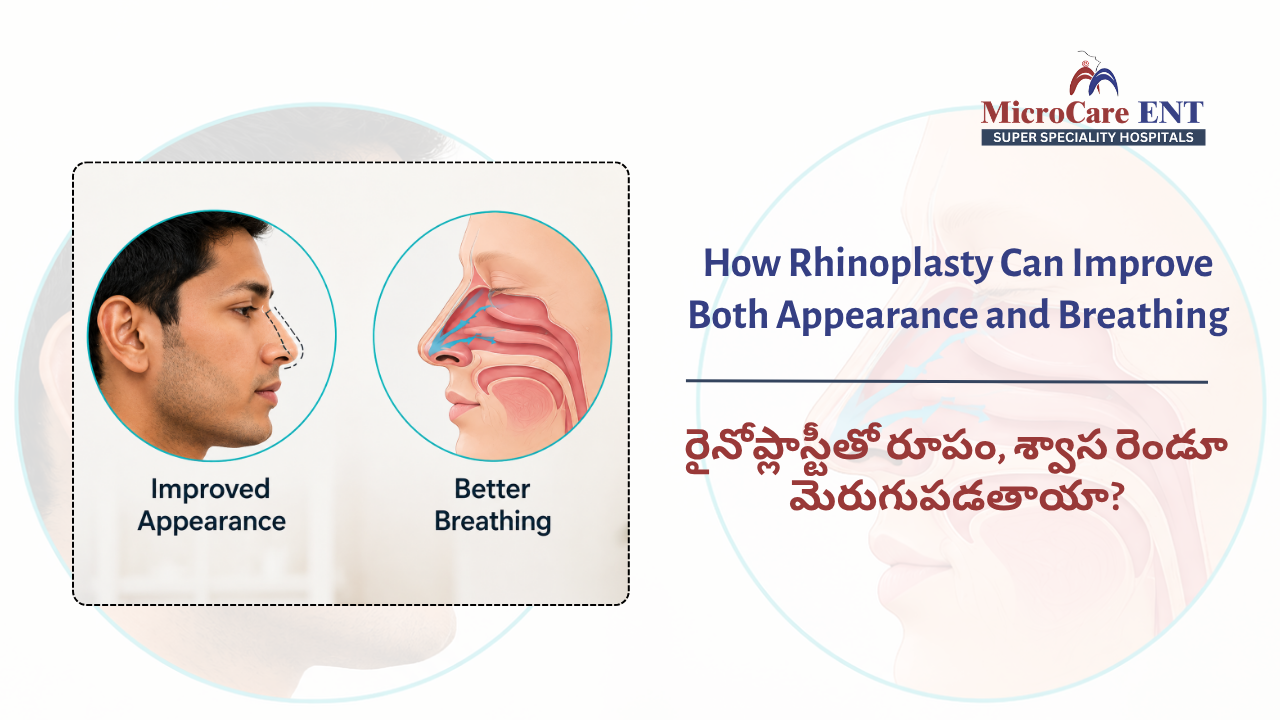
How Rhinoplasty Can Improve Both Appearance and Breathing

rhinoplasty Hyderabad

happy man after rhinoplasty surgery Hyderabad

Many people think rhinoplasty is only a cosmetic procedure designed to improve the shape of the nose. However, rhinoplasty can also provide significant functional benefits by correcting structural problems that affect breathing.

For individuals who are unhappy with the appearance of their nose and experience difficulty breathing, rhinoplasty offers a solution that addresses both concerns at the same time.

At MicroCare ENT Hospital & Research Institute, Hyderabad, advanced rhinoplasty procedures are performed to improve nasal appearance while restoring healthy breathing function.

Published By microcareenthospitals.com / Updated: May 30, 2026

What Is Rhinoplasty?

Rhinoplasty, commonly known as nose reshaping surgery, is a surgical procedure that modifies the shape, size, or structure of the nose.

The procedure may be performed to:

  • Improve facial appearance
  • Correct a crooked nose
  • Reduce or reshape a nasal hump
  • Repair nasal injuries
  • Improve breathing difficulties

Modern rhinoplasty combines cosmetic enhancement with functional correction whenever needed.

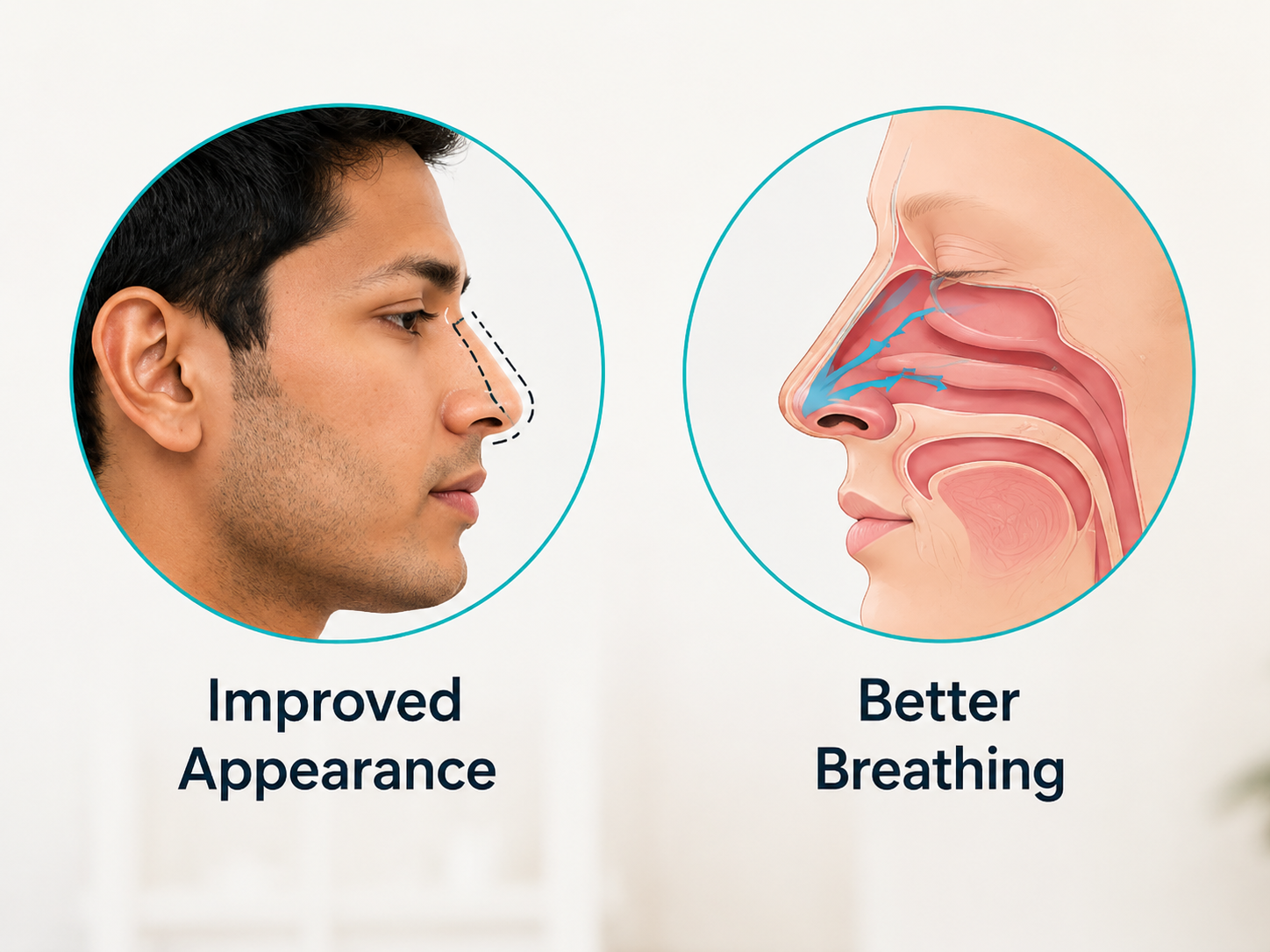
How Rhinoplasty Improves Appearance

The nose is one of the most prominent facial features and plays a major role in facial balance.

1. Correcting a Crooked Nose

A crooked nose can affect facial symmetry and self-confidence. Rhinoplasty can straighten the nasal structure and create a more balanced appearance.

2. Reducing a Nasal Hump

Many patients seek rhinoplasty to smooth a prominent bump on the bridge of the nose, creating a more refined profile.

3. Reshaping the Nasal Tip

The procedure can refine a wide, bulbous, drooping, or asymmetrical nasal tip.

4. Improving Facial Harmony

Rhinoplasty helps the nose blend naturally with other facial features, improving overall facial aesthetics.

How Rhinoplasty Improves Breathing

Besides cosmetic improvements, rhinoplasty can correct structural problems that interfere with airflow.

1. Correcting a Deviated Septum

A deviated nasal septum is one of the most common causes of nasal blockage.

Patients may experience:

  • Difficulty breathing
  • Chronic nasal congestion
  • Frequent sinus infections
  • Poor sleep quality

Septal correction performed during rhinoplasty can significantly improve airflow.

2. Opening Narrow Nasal Passages

Some individuals are born with narrow nasal structures that restrict breathing.

Rhinoplasty can widen airflow pathways and improve nasal function.

3. Repairing Nasal Injuries

Previous fractures or sports injuries can cause both cosmetic deformities and breathing difficulties.

Rhinoplasty helps restore normal nasal structure and function.

4. Improving Chronic Nasal Obstruction

Patients suffering from long-term nasal blockage may benefit from functional rhinoplasty that addresses underlying structural issues.

Who Is a Good Candidate for Rhinoplasty?

You may be a suitable candidate if you:

  • Are unhappy with your nose shape
  • Have a crooked or injured nose
  • Experience breathing difficulties
  • Have a deviated nasal septum
  • Are in good general health

An ENT specialist can determine the best treatment plan based on your concerns and nasal anatomy.

Benefits of Rhinoplasty

1. Cosmetic Benefits

  • Improved facial balance
  • Enhanced appearance
  • Better self-confidence
  • Natural-looking results

2. Functional Benefits

  • Improved breathing
  • Better airflow through the nose
  • Reduced nasal blockage
  • Improved sleep quality

Rhinoplasty Recovery

Recovery after rhinoplasty is generally straightforward.

Most patients experience:

  • Mild swelling
  • Temporary bruising
  • Nasal congestion

Most visible swelling improves within a few weeks, while final results continue to refine over several months.

Meet Our Expert ENT Specialist

👨‍⚕️ Prof. Dr. Sriprakash Vinnakota

MBBS, MS (ENT, Head & Neck Surgery)
Chief Consultant ENT Specialist & Microsurgeon

  • 26+ Years Experience
  • Expertise in Rhinoplasty, Septoplasty, and Advanced Nasal Surgery

  • Specialized care for both cosmetic and functional nose correction

  • Dr. Sriprakash provides personalized rhinoplasty solutions that focus on both appearance and breathing improvement.

Why Choose MicroCare ENT Hospital?

  • Advanced ENT diagnostic technology
  • Experienced sinus specialists
  • Comprehensive sinus care
  • Personalized treatment plans
  • Convenient location in Kukatpally & KPHB

Final Thoughts

Rhinoplasty is more than just a cosmetic procedure. It can help improve facial appearance, boost confidence, and significantly enhance breathing function.

If you are experiencing nasal obstruction or are unhappy with the shape of your nose, consulting an experienced ENT specialist can help you explore the best treatment options.

FAQs

Can rhinoplasty improve breathing problems?

Yes. Functional rhinoplasty can correct structural issues such as a deviated septum and improve airflow.

No. Rhinoplasty can improve both appearance and nasal function.

Most patients return to normal activities within 1–2 weeks, while full healing may take several months.

Yes. Rhinoplasty is commonly performed to straighten and reshape a crooked nose.

Most modern rhinoplasty techniques leave minimal or no visible scarring.

From MicroCare ENT Hospital to your inbox

Sign up for free and stay up to date on research advancements, health tips, current health topics, and expertise on managing health.

📞 Book Your Consultation Now

👨‍⚕️ Dr. Sriprakash Vinnakota (26+ Years of Experience)

Where Dr. Sriprakash Vinnakota Practices
Team of ENT Surgeons under Prof. Dr. Sriprakash Vinnakota provides advanced ENT, Head & Neck care at the following locations.

📍 MicroCare ENT Hospital – KPHB Colony, Kukatpally
Road No. 4, KPHB Colony, Hyderabad – 500072, Telangana, India

📍 Apollo Hospitals – Financial District
Financial District, Nanakramguda, Serilingampally, Hyderabad – 500032

📞 Book your appointment today: 9494940725 / 26
🌐 www.microcareenthospitals.com

Watch our Related Videos