

rhinoplasty

How to Choose a Rhinoplasty Surgeon in Hyderabad
Choosing a rhinoplasty surgeon involves checking qualifications, experience with nasal surgery, and how clearly they explain your options. Rhinoplasty (nose reshaping surgery) and turbinoplasty (surgery to improve nasal breathing) are different procedures with different goals. This guide explains what to look for and what questions to ask before booking a consultation in Hyderabad.
Published By microcareenthospitals.com / Updated: August 13, 2026
What to Check Before Choosing a Rhinoplasty or Nose Surgeon
Look for a qualified ENT (ear, nose, and throat) surgeon or facial plastic surgeon with documented training in rhinoplasty. Ask about their registration with the National Medical Commission, their specific experience with nasal surgery, and whether they explain risks, recovery, and realistic outcomes clearly. A good consultation should leave you informed, not pressured. 26+ Years of experience and qualifications: Prof. Dr. Sriprakash Vinnakota.
Rhinoplasty vs Turbinoplasty — Understanding the Difference
Rhinoplasty reshapes the external structure of the nose, often for cosmetic reasons or to correct injury-related deformity. Turbinoplasty is a functional procedure that reduces enlarged turbinates (structures inside the nose) to improve airflow when breathing is obstructed. Some patients need one, both, or neither — this is determined during an ENT evaluation, not before it. If you’re in Hyderabad and unsure which applies to you, describe your main concern (appearance vs breathing) when booking a consultation.
Questions to Ask an ENT Surgeon Before Rhinoplasty Surgery
Useful questions include: What is your training and experience in rhinoplasty specifically? What technique do you recommend for my case and why? What are the realistic risks and recovery timeline? Will you personally perform the surgery? Asking these directly helps you assess fit and comfort, which matters as much as technical skill.
When to See an ENT Specialist
See an ENT specialist if you have persistent nasal blockage, breathing difficulty, recurrent nosebleeds, or visible nasal deformity following injury. An ENT evaluation can determine whether your concern is structural, functional, or both, and whether rhinoplasty, turbinoplasty, or non-surgical treatment is appropriate.
Who Is a Good Candidate for Rhinoplasty?
You may benefit from rhinoplasty if you:
- Are unhappy with the shape or size of your nose
- Have difficulty breathing through the nose
- Have sustained a nasal injury
- Have a deviated nasal septum
- Experience nasal obstruction
- Want to improve facial balance
- Are in good general health
- Have realistic expectations about the outcome
A comprehensive consultation with an experienced rhinoplasty surgeon will determine whether the procedure is suitable for your individual needs.
Why Choose MicroCare ENT Hospital for Rhinoplasty?
MicroCare ENT Hospital is dedicated to providing comprehensive ENT care with a focus on patient safety, precision, and personalized treatment.
Patients choose MicroCare ENT Hospital because of:
- Experienced ENT specialists
- Advanced diagnostic facilities
- Modern operation theatres
- Comprehensive pre-operative assessment
- Personalized treatment plans
- Evidence-based surgical techniques
- Dedicated post-operative follow-up
- Compassionate patient care
Every patient receives individualized attention from consultation through recovery.
Meet Prof. Dr. Sriprakash Vinnakota
Prof. Dr. Sriprakash Vinnakota is the Chief Consultant ENT Specialist & Microsurgeon and Managing Director of MicroCare ENT Hospital & Research Institute.
With over 26 years of clinical experience, he has successfully treated thousands of patients with complex ear, nose, and throat conditions. His expertise includes both functional rhinoplasty to improve nasal breathing and cosmetic rhinoplasty to enhance facial harmony while maintaining natural-looking results.
His areas of expertise include:
- Functional Rhinoplasty
- Cosmetic Rhinoplasty
- Septoplasty
- Endoscopic Sinus Surgery
- Cochlear Implant Surgery
- Ear and Hearing Disorders
- Pediatric ENT Care
- Advanced ENT Microsurgery
His patient-centered approach emphasizes thorough evaluation, individualized treatment planning, and realistic expectations to achieve safe and satisfying outcomes.
What to Expect During Your Rhinoplasty Journey
Your rhinoplasty journey at MicroCare ENT Hospital typically includes:
1. Comprehensive Consultation: Discussion of your concerns, medical history, and desired outcomes.
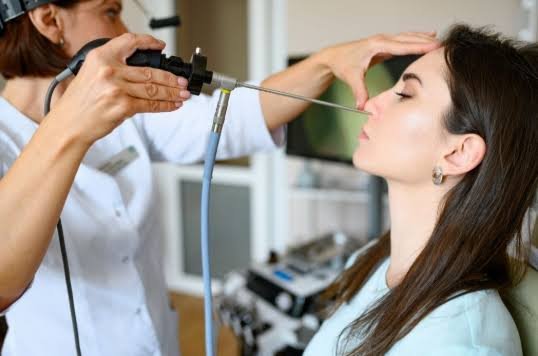
2. Detailed Evaluation: Examination of both the external nose and internal nasal structures using advanced diagnostic tools.
3. Customized Surgical Plan: A treatment plan tailored to your facial features and functional requirements.
4. Safe Surgical Procedure: Performed in a modern operating theatre using established surgical techniques.
5. Post-Operative Care: Regular follow-up appointments to monitor healing and ensure optimal recovery.
Conclusion
Choosing the best rhinoplasty surgeon in Hyderabad involves more than finding someone who performs nose surgery. It means selecting a specialist with extensive experience, expertise in both nasal function and facial aesthetics, advanced surgical facilities, and a commitment to personalized patient care.
At MicroCare ENT Hospital, Prof. Dr. Sriprakash Vinnakota combines over 26 years of clinical experience with advanced ENT expertise to provide comprehensive functional and cosmetic rhinoplasty tailored to each patient’s unique needs. From the initial consultation to post-operative follow-up, every step is focused on achieving safe, natural-looking results while preserving or improving nasal function.
If you are considering rhinoplasty or have concerns about the appearance or function of your nose, schedule a consultation with the experienced team at MicroCare ENT Hospital to discuss your treatment options and receive expert guidance.
FAQs
How do I choose a rhinoplasty surgeon in Hyderabad?
Check the surgeon’s ENT or facial plastic surgery qualifications, ask about their specific experience with nasal procedures, and use a consultation to assess how clearly they explain your options. Comfort and clear communication matter alongside technical training.
What should I look for in an ENT rhinoplasty surgeon?
Look for formal ENT training, documented experience with rhinoplasty procedures, and clear communication about risks and expected outcomes. A qualified surgeon will explain both surgical and non-surgical options relevant to your specific concern before recommending a procedure.
What is the difference between a nose plastic surgeon and an ENT surgeon for rhinoplasty?
Both ENT surgeons and plastic surgeons can perform rhinoplasty, depending on training. ENT surgeons often address functional issues like breathing alongside appearance, while plastic surgeons may focus more on cosmetic outcomes. Ask directly about a surgeon’s specific rhinoplasty training.
Where can I find a rhinoplasty doctor in Hyderabad?
Rhinoplasty is performed by ENT surgeons and facial plastic surgeons at hospitals offering ENT specialty care. [Add Microcare branch address and consultation booking details here.] Always confirm qualifications directly with the treating doctor.
What is turbinoplasty surgery, and is it available in Hyderabad?
Turbinoplasty is a procedure to reduce enlarged nasal turbinates and improve breathing. It’s a distinct procedure from rhinoplasty and is offered by qualified ENT surgeons.
From MicroCare ENT Hospital to your inbox
Sign up for free and stay up to date on research advancements, health tips, current health topics, and expertise on managing health.
📞 Book Your Consultation Now
MicroCare ENT Hospital & Research Institute
📍 KPHB Colony, Kukatpally.
📲 9494940725 / 26
🌐 https://microcareenthospitals.com/sinusitis-treatment-hyderabad/
To learn more about ENT, visit our page MicroCare ENT.
Watch our Related Videos

Road No 4, KPHB Colony, Hyderabad-500072, Telangana
- Jubliee Hills Branch
- +91-9603 024 111
- +91-9603 024 222
Road No.36, Jubilee Hills Beside Peddamma Temple Kaman