


“Head and Neck Cancer: Early Symptoms You Should Never Ignore”

nagarjuna

Head And Neck Cancer Early Symptoms

 At Microcare ENT Hospital, we emphasize early detection of head and neck cancer early symptoms, as these can make a life-changing difference in recovery. Cancers of the head and neck often begin in areas such as the mouth, throat, larynx (voice box), or sinuses. Recognizing the symptoms in the initial stages can help prevent the spread and improve treatment outcomes.

Published By microcareenthospitals.com / Updated: OCT 23, 2025

🌿 What is Head and Neck Cancer?

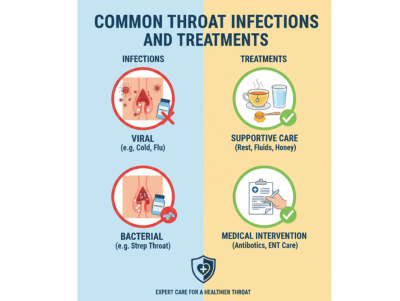
Head and neck cancer refers to a group of cancers that begin in the tissues and organs of the head or throat. These include cancers of the mouth, nose, sinuses, salivary glands, throat, and lymph nodes in the neck.
The most common cause is tobacco use, followed by excessive alcohol consumption and HPV (Human Papillomavirus) infection.

⚠️ Common Early Symptoms You Should Never Ignore

Identifying early warning signs is vital for prompt diagnosis and treatment. Common head and neck cancer early symptoms include:

1.Persistent sore throat or hoarseness

2.Non-healing mouth ulcers or white patches

3.Difficulty swallowing or a lump in the neck

4.Unexplained ear pain or bleeding

5.Nasal congestion or nosebleeds that don’t improve

6.Unintentional weight loss and fatigue

If you notice these symptoms for more than two weeks, it’s important to consult an ENT specialist immediately.

🧪 Major Causes and Risk Factors

Understanding the causes of head and neck cancer helps reduce risk and improve prevention.
Some of the leading risk factors include:

1.Tobacco and Alcohol Use: Prolonged use increases risk exponentially.

2.HPV Infection: Human papillomavirus, particularly in younger individuals, can trigger throat cancer.

3.Poor Oral Hygiene: Neglecting oral care can lead to precancerous changes.

4.Environmental Exposure: Contact with asbestos, wood dust, or chemicals.

5.Genetic Predisposition: Family history of cancer can play a role.

💊 Diagnosis and Treatment Options

At Microcare ENT Hospital, advanced diagnostic tools help in early detection. Common diagnostic methods include:

1.Endoscopy and Biopsy – to view and collect tissue samples.

2.CT or MRI Scans – to detect the spread of cancer.

3.Blood Tests and Genetic Markers – for personalized treatment planning.

Treatment Options Include:

1.Surgery: Removal of cancerous tissues.

2.Radiation Therapy: Targeted energy beams destroy cancer cells.

3.Chemotherapy: Drugs used to kill or stop cancer cell growth.

4.Immunotherapy: Boosts the body’s immune system to fight cancer.


🌱 Prevention Tips

You can lower your risk of developing head and neck cancer early symptoms by following simple preventive steps:

1.Quit smoking and avoid alcohol.

2.Maintain oral hygiene and visit your dentist regularly.

3.Get vaccinated against HPV.

4.Eat antioxidant-rich foods and stay hydrated.

5.Schedule regular ENT checkups at Microcare ENT Hospital.

When To See Doctor

If you have persistent throat pain, difficulty swallowing, or lumps that don’t heal, it’s crucial to seek professional help. Early detection of head and neck cancer early symptoms can significantly improve survival rates.
Visit Microcare ENT Hospital, Hyderabad, for expert consultation, accurate diagnosis, and comprehensive cancer management.

✅ Conclusion

Recognizing head and neck cancer early symptoms can save lives. Many individuals ignore minor throat or mouth issues, which later develop into serious conditions. The specialists at Microcare ENT Hospital are trained to detect these early signs and provide the best possible treatment options.
Your health is your priority — act early, stay informed, and don’t ignore the warning signs.

From MicroCare ENT Hospital to your inbox

Sign up for free and stay up to date on research advancements, health tips, current health topics, and expertise on managing health.

📞 Book Your Consultation Now

Call us: +91- 94 94 94 0725
appointments@microcareenthospitals.com
www.microcareenthospitals.com

To learn more about ear, visit our page on advanced ear solutions at MicroCare ENT
learn about How snoring effects your health

Watch our Related Videos

10 Early Warning Signs of Thyroid Problems You Shouldn’t Ignore

nagarjuna

inside view of throat showing swollen tonsils and possible thyroid swelling

What Is the Thyroid and Why Is It Important?

The thyroid is a small butterfly-shaped gland located in the neck, responsible for producing hormones that regulate metabolism. When it becomes underactive (hypothyroidism) or overactive (hyperthyroidism), it affects nearly every organ in your body.
Maintaining optimal thyroid health is essential to prevent long-term complications such as heart disease, infertility, and bone loss.

Published By microcareenthospitals.com / Updated: OCT 23, 2025

🩸 Introduction

Your thyroid gland plays a vital role in controlling your body’s metabolism, energy levels, and overall well-being. Thyroid problems and treatment are topics that concern millions of people worldwide. Whether you’re facing unexplained weight changes, fatigue, or mood swings, your thyroid may be the cause. Understanding the early signs, causes, and treatments can help you take control of your thyroid health before it becomes a bigger issue.

⚠️Common Causes of Thyroid Problems

Several factors can trigger thyroid disorders, including:

1. Autoimmune diseases such as Hashimoto’s thyroiditis or Graves’ disease

2.Iodine deficiency or excess intake

3.Hormonal imbalances

4.Genetic predisposition

5.Certain medications or radiation exposure

Recognizing these causes early helps in timely diagnosis and effective treatment of thyroid problems.

Thyroid problems manifest differently depending on whether the gland is overactive or underacti

🔍Key Symptoms of Thyroid Disorders

Tonsils form part of the body’s lymphatic and immune system. They act like biological filters, capturing bacteria, viruses, and other pathogens that enter through the mouth or nose.
There are three main types of tonsils: the palatine tonsils (visible at the back of the throat), the adenoids (located behind the nasal cavity), and the lingual tonsils (at the base of the tongue). Together, these structures produce antibodies that help prevent infections of the upper respiratory tract.

Thyroid problems manifest differently depending on whether the gland is overactive or underactive.

Symptoms of Hypothyroidism

1.Unexplained weight gain

2.Constant fatigue or sluggishness

3.Dry skin and hair loss

4.Cold intolerance

5.Depression and memory issues

Symptoms of Hyperthyroidism

1.Rapid heartbeat

2.Sudden weight loss

3.Anxiety or nervousness

4.Excessive sweating

5.Muscle weakness

If these early warning signs of thyroid problems appear, consult an endocrinologist immediately for evaluation.

💊Effective Treatment Options for Thyroid Problems

Treatment depends on the type of thyroid disorder you have:

Hypothyroidism Treatment

The most common therapy involves thyroid hormone replacement (Levothyroxine) to restore normal hormone levels and improve metabolism.

Hyperthyroidism Treatment

Options include:

1.Anti-thyroid medications to reduce hormone production

2.Radioactive iodine therapy to shrink the thyroid gland

3.Surgery in severe cases or when medication is ineffective

Your doctor will personalize treatment based on your thyroid function test results.


🥗 Lifestyle and Dietary Tips for Thyroid Health

Managing thyroid issues isn’t just about medication — lifestyle changes matter too.

1.Eat a balanced diet rich in iodine, selenium, and zinc

2.Avoid excessive processed foods and soy products

3.Exercise regularly to improve metabolism

4.Get enough sleep and manage stress levels

5.Schedule regular thyroid check-ups

These steps support your overall treatment and long-term thyroid balance.

🧩 When to Visit a Specialist

If you notice persistent fatigue, mood swings, or changes in body weight, you may have a thyroid disorder. The earlier you identify the problem, the easier it is to manage. Microcare ENT Hospitals offers advanced thyroid diagnosis and treatment options to help patients restore hormonal harmony and live healthier lives.

🩷 Conclusion

Thyroid problems are more common than most people realize — but they’re also highly manageable with timely detection and proper treatment. By understanding the causes, symptoms, and treatment options for thyroid problems, you can protect your health and prevent long-term complications.

From MicroCare ENT Hospital to your inbox

Sign up for free and stay up to date on research advancements, health tips, current health topics, and expertise on managing health.

📞 Book Your Consultation Now

Call us: +91- 94 94 94 0725
appointments@microcareenthospitals.com
www.microcareenthospitals.com

To learn more about ear, visit our page on advanced ear solutions at MicroCare ENT
Find out how to spot thyroid issues before they get serious.

Lorem ipsum dolor sit amet, consectetur adipiscing elit. Ut elit tellus, luctus nec ullamcorper mattis, pulvinar dapibus leo.

Understanding Tonsils: Causes, Symptoms, and Treatment Options Explained

nagarjuna

Tonsils Treatment And Causes

At Microcare ENT Hospital, we emphasize patient education and preventive care. Knowing about tonsils treatment and causes helps you recognize problems early and seek timely care. The tonsils are small lymphoid tissues found on either side at the back of the throat. They serve as one of the body’s first lines of defense against infection. However, when they become inflamed, the condition is called tonsillitis, which can cause pain, fever, and difficulty swallowing.

Published By microcareenthospitals.com / Updated: OCT 23, 2025

🧬Anatomy and Function of Tonsils

Tonsils form part of the body’s lymphatic and immune system. They act like biological filters, capturing bacteria, viruses, and other pathogens that enter through the mouth or nose.
There are three main types of tonsils: the palatine tonsils (visible at the back of the throat), the adenoids (located behind the nasal cavity), and the lingual tonsils (at the base of the tongue). Together, these structures produce antibodies that help prevent infections of the upper respiratory tract.

🦠Causes of Tonsillitis

Inflammation of the tonsils can occur due to several factors, including infections or irritants. Common causes include:

Viral Infections: The majority of tonsil infections are viral, caused by agents such as adenovirus, rhinovirus, influenza, or Epstein–Barr virus.

Bacterial Infections: Streptococcus pyogenes (Group A streptococcus) is a common bacterial cause that leads to strep throat and bacterial tonsillitis.

Environmental Factors: Polluted air, allergens, or exposure to tobacco smoke can irritate the tonsils and promote inflammation.

Weakened Immunity: Individuals with reduced immune function may experience recurrent infections.

Poor Oral Hygiene: Accumulation of bacteria in the mouth contributes to frequent throat infections.

⚠️ Recognizable Symptoms of Tonsil Problems

Recovery after rhinoplasty is surprisingly smooth when done under expert hands.
Mild swelling, bruising, and congestion may last for about 7–10 days. Patients can usually resume work within a week.
At Microcare ENT Hospital, every patient receives personalized post-surgical care and follow-up.

Most importantly, the final results improve gradually as swelling settles — revealing a refined, natural shape that enhances both function and appearance.

💊 Tonsils Treatment and Management

Treatment depends on the underlying cause, frequency, and severity of the symptoms.

🏡 1. Home Remedies

For mild viral infections, rest and hydration are vital. Gargling with warm salt water, drinking soothing fluids, and using throat lozenges can ease discomfort. Maintaining good oral hygiene and avoiding irritants such as smoke or alcohol can prevent worsening symptoms.

💊 2. Medical Management

If the infection is bacterial, doctors prescribe antibiotics to control inflammation and eradicate the bacteria. Pain relievers or anti-inflammatory medications may also be recommended to reduce swelling and fever.

🩺 3. Surgical Intervention (Tonsillectomy)

When tonsillitis becomes chronic or leads to complications like sleep apnea or abscess formation, a tonsillectomy — surgical removal of the tonsils — may be necessary.
At Microcare ENT Hospital, the procedure is performed using modern techniques that minimize pain and ensure quick recovery. Our ENT specialists evaluate each case carefully to decide whether surgery is essential.

🌟 Complications of Untreated Tonsillitis

Ignoring chronic or severe tonsil infections can result in secondary problems, such as:

1. Peritonsillar abscess (pus collection near the tonsil)

2. Obstructive sleep apnea due to enlarged tonsils blocking the airway

3. Rheumatic fever or kidney inflammation (if bacterial infection spreads)

4. Recurrent throat infections impacting quality of life

Early diagnosis and proper management can prevent these complications effectively.

🩺 When to Visit an ENT Specialist

You should consult an ENT doctor if:

1.You have more than seven throat infections in one year

2.Swelling causes sleep disturbance or snoring

3.Antibiotics fail to provide relief

4.Pain interferes with eating or speaking

At Microcare ENT Hospital, our specialists provide personalized care for all types of tonsils treatment and causes, ensuring accurate diagnosis and safe, effective solutions.

💬 Conclusion

The tonsils play an essential role in defending the body against infection, but when inflamed, they can become a source of discomfort and illness. Understanding the tonsils treatment and causes allows patients to make informed health decisions. Whether through medication, home therapy, or surgical management, Microcare ENT Hospital offers comprehensive treatment plans tailored to each patient’s needs, helping restore comfort, immunity, and overall throat health.

From MicroCare ENT Hospital to your inbox

Sign up for free and stay up to date on research advancements, health tips, current health topics, and expertise on managing health.

📞 Book Your Consultation Now

Call us: +91- 94 94 94 0725
appointments@microcareenthospitals.com
www.microcareenthospitals.com

To learn more about ear, visit our page on advanced ear solutions at MicroCare ENT
learn about How snoring effects your health

Watch our Related Videos

Rhinoplasty in Hyderabad – The Art and Science of Nose Reshaping at Microcare ENT Hospital

nagarjuna

What Is Rhinoplasty?

Rhinoplasty in Hyderabad is a surgical procedure designed to improve both the appearance and function of the nose. At Microcare ENT Hospital, it’s not just about cosmetic change — it’s about restoring confidence and helping patients breathe freely.
Dr. Sriprakash Vinnakota, an expert ENT and facial surgeon, combines medical precision with artistic vision to deliver balanced, natural-looking results.

Some people choose rhinoplasty to correct nasal deformities from birth or injury, while others seek it to refine facial harmony. In many cases, patients also suffer from nasal obstruction or snoring, which functional rhinoplasty can effectively treat.

Published By microcareenthospitals.com / Updated: OCT 18, 2025

Why Do People Undergo Rhinoplasty?

Every patient’s story is unique. Some come in hoping to improve facial balance, while others want to finally breathe without discomfort. Rhinoplasty can address a range of concerns, such as:

A crooked or bent nose due to previous trauma

Breathing difficulty from a deviated septum

A prominent nasal hump or bulbous tip

Asymmetrical nostrils or wide nasal base

At Microcare ENT Hospital, each surgery begins with a thorough nasal evaluation, breathing assessment, and 3D facial analysis to plan a result that suits both your appearance and lifestyle.

The Surgical Journey – What to Expect

Dr. Sriprakash begins each case with a careful diagnosis and discussion about goals. During Rhinoplasty in Hyderabad, modern techniques like endoscopic and coblation-assisted surgery allow for precise reshaping with minimal recovery time.

The surgery is usually done under general anesthesia. Depending on the complexity, it can be performed as either:

Closed Rhinoplasty – incisions made inside the nose, leaving no visible scars.

Open Rhinoplasty – a tiny incision under the nasal tip for better visibility and detailed reshaping.

After adjusting the cartilage and bone, the nose is reshaped, the airway widened, and the incision closed neatly. Most patients return home the same day or within 24 hours.

Recovery and Healing

Recovery after rhinoplasty is surprisingly smooth when done under expert hands.
Mild swelling, bruising, and congestion may last for about 7–10 days. Patients can usually resume work within a week.
At Microcare ENT Hospital, every patient receives personalized post-surgical care and follow-up.

Most importantly, the final results improve gradually as swelling settles — revealing a refined, natural shape that enhances both function and appearance.

Rhinoplasty vs Septoplasty – Know the Difference

Many patients confuse these two terms.

Septoplasty focuses on correcting a deviated septum to improve breathing.

Rhinoplasty, on the other hand, deals with reshaping the external structure of the nose.

When both are done together, it’s called Septorhinoplasty, which improves airflow and facial appearance in one procedure.

Benefits of Rhinoplasty in Hyderabad

Patients often say that rhinoplasty doesn’t just change how they look — it changes how they feel.
At Microcare ENT Hospital, the benefits include:

Clearer breathing and relief from nasal obstruction

Enhanced facial symmetry and profile

Correction of injury-related deformities

Boosted self-confidence and comfort in appearance

Many also report better sleep quality and reduced snoring after surgery, especially when functional corrections are involved.

Common Beliefs and the Truth About Rhinoplasty

Many people have different opinions about rhinoplasty. Let’s look at some common beliefs and understand what’s really true.

Belief 1: Rhinoplasty is only done for looks.
Reality: Rhinoplasty isn’t just about changing appearance. It can also correct breathing issues, fix a deviated septum, and improve sleep quality.

Belief 2: The nose will look unnatural after surgery.
Reality: At Microcare ENT Hospital, every procedure is done carefully to match your natural facial features. The goal is to create a balanced, natural look that suits you perfectly.

Belief 3: The surgery is painful and recovery is very difficult.
Reality: With today’s modern anesthesia and surgical technology, discomfort is minimal. Most patients feel only mild swelling, which reduces within a few days, and they return to normal life quickly.

Belief 4: Rhinoplasty is meant only for young people.
Reality: Age is not a barrier. People of all age groups—young adults, middle-aged, and even older individuals—undergo rhinoplasty to improve breathing or correct nose shape comfortably and safely.

Why Choose Microcare ENT Hospital?

Microcare ENT Hospital, located in KPHB Colony, Kukatpally, is among Hyderabad’s most advanced centers for ENT and facial surgeries.
Dr. Sriprakash Vinnakota brings years of experience in functional and cosmetic rhinoplasty, ensuring that each patient receives a personalized plan that focuses equally on aesthetics and breathing function.

With cutting-edge facilities, 3D planning, coblation-assisted surgery, and compassionate care, Microcare ENT Hospital has helped numerous patients achieve lasting results and renewed confidence.

Conclusion – Breathe Freely, Look Confident

Rhinoplasty in Hyderabad is more than a cosmetic transformation — it’s a medical solution for better breathing and emotional well-being. Whether you’re struggling with nasal blockage, post-injury deformity, or dissatisfaction with your appearance, Microcare ENT Hospital offers comprehensive care from consultation to recovery.

A balanced nose not only improves your facial appearance but also your overall health. Trust the expertise of Dr. Sriprakash Vinnakota to help you breathe better and feel beautiful — inside and out.

From MicroCare ENT Hospital to your inbox

Sign up for free and stay up to date on research advancements, health tips, current health topics, and expertise on managing health.

📞 Book Your Consultation Now

Call us: +91- 94 94 94 0725
appointments@microcareenthospitals.com
www.microcareenthospitals.com

To learn more about ear, visit our page on advanced ear solutions at MicroCare ENT
learn about How snoring effects your health

Watch our Related Videos

Snoring Treatment in Hyderabad – A Life-Changing Journey of Mrs. Indra Krishna Reddy

nagarjuna

How Snoring Took Over Her Life

When it comes to health, even a small problem like snoring can deeply affect one’s quality of life. For years, Mrs. Indra Krishna Reddy from Hyderabad struggled with severe snoring that left her and her family sleepless. Her husband, Mr. Krishna Reddy, was especially affected — nights were restless, and days were filled with fatigue.

Determined to find a permanent solution, Mrs. Indra began her journey through multiple hospitals in India and abroad. However, it was at Microcare ENT Hospital, KPHB Colony, Hyderabad, under the care of Dr. Sriprakash Vinnakota, that her life finally changed.

Published By microcareenthospitals.com / Updated: OCT 18, 2025

The Doctor’s Observation – Understanding the Root Cause

Dr. Sriprakash Vinnakota, an experienced ENT specialist, first introduced Mrs. Indra’s case to the audience:

“Mrs. Indira Krishna Reddy came to us with severe snoring that affected both her and her family. We performed two surgeries — one on the palate and another on the base of the tongue — to open up her airway and improve breathing during sleep.”

He explained that the palate surgery widened the airway by reshaping tissues from the tonsil to the lateral pharyngeal wall, giving her more space in both width and depth. A second surgery, using advanced Coblation technology, targeted the base of the tongue, removing excess tissue and performing a Hyoid suspension to add an extra centimeter of airway space.

After these procedures, Mrs. Indra finally experienced peaceful, uninterrupted sleep.

Before Surgery – Endless Struggles and Sleepless Nights

Before meeting Dr. Sriprakash, Mrs. Indra had visited several ENT hospitals. Many doctors advised her to use machines like CPAP, while others claimed surgery wasn’t advisable. She even planned to fly to the USA, where her sister — also a doctor — lives.

“Everywhere I went, the advice was different,” she said. “Some told me there was no cure, and some scared me about surgery. I felt hopeless.”

Her turning point came when a close friend suggested Microcare ENT Hospital and recommended meeting Dr. Sriprakash Vinnakota before taking any final step. That decision changed her life.

Meeting Dr. Sriprakash – A Ray of Hope

When Mrs. Indra first met Dr. Sriprakash, she felt an instant sense of comfort. His calm explanation and detailed diagnosis gave her confidence.

“God is not somewhere else,” she said. “God is in the doctor. When Dr. Sriprakash explained my condition, I felt I was finally in safe hands.”

She decided to proceed with surgery, bringing along her husband and son. After just one and a half months, her life completely transformed.

After Surgery – A New Beginning

Post-surgery, Mrs. Indra could finally sleep peacefully. Her husband too found relief after years of sleepless nights.

“Doctor told me 90% improvement, but I feel 100% cured,” she shared with joy. “Earlier, I used to wake up 4–5 times a night, gasping for air. Now I sleep like a child.”

She noticed several positive changes — her fatigue disappeared, skin tone improved, and dark circles vanished. She no longer woke up tired or struggled to breathe while talking.

“Before surgery, I couldn’t even climb stairs without getting tired. Now I avoid lifts and walk freely. My mind feels fresh every morning,” she said proudly.

Doctor’s Insights – Why Snoring Happens

According to Dr. Sriprakash, snoring is caused by airway obstruction during sleep.

“When the airway narrows, oxygen supply to the brain decreases, making you feel tired during the day. That’s what Mrs. Indra experienced — a condition known as Obstructive Sleep Apnea.”

He clarified that obesity is not always the cause.

“Even healthy individuals can have airway blockage due to tissue laxity, nasal deviation, or tongue base obstruction. Snoring is treatable once the cause is identified,” he added.

Dr. Sriprakash further explained that while CPAP machines are an option for elderly patients or those who can’t undergo surgery, surgical treatment offers long-term relief for active individuals like Mrs. Indra who travel frequently and seek freedom from lifelong devices.

The Emotional Transformation

Mrs. Indra describes her recovery as life-changing:

“After the surgery, I feel like I climbed Mount Everest. I feel victorious! My brothers also suffer from snoring, and I’m telling them to visit Microcare ENT Hospital. I am living proof that snoring can be cured.”

She also shared how snoring had affected her confidence and beauty. Lack of sleep made her skin dull and her eyes dark. Now, she feels rejuvenated and says her face reflects her happiness and health.

“If you’re suffering from snoring, please don’t ignore it. It can even affect your heart. Take action early,” she advises others.

Doctor’s Final Thoughts

Dr. Sriprakash concluded,

“Many people believe snoring cannot be cured, but with modern ENT techniques, more than 90% of cases can be treated successfully. Mrs. Indra’s case is a perfect example — she’s healthy, confident, and glowing again.”

He added that Microcare ENT Hospital in KPHB Colony, Hyderabad, continues to help patients from across India and abroad find relief from snoring and sleep apnea.

Conclusion – Restoring Sleep, Health, and Happiness

Mrs. Indra Krishna’s story is an inspiration for anyone suffering from chronic snoring.
After meeting Dr. Sriprakash Vinnakota at Microcare ENT Hospital, KPHB Colony, Hyderabad, she regained not just her sleep but also her confidence and happiness.

“Now, I climb stairs without fatigue, talk comfortably, and feel fresh every morning. My life has changed completely.”

If you or your loved ones suffer from snoring, take the first step today — visit Microcare ENT Hospital, Hyderabad for expert diagnosis and advanced snoring treatment.

From MicroCare ENT Hospital to your inbox

Sign up for free and stay up to date on research advancements, health tips, current health topics, and expertise on managing health.

📞 Book Your Consultation Now

Call us: +91- 94 94 94 0725
appointments@microcareenthospitals.com
www.microcareenthospitals.com

To learn more about ear, visit our page on advanced ear solutions at MicroCare ENT
learn about How snoring effects your health

Watch our Related Videos

Best Ear, Nose & Throat Hospitals Hyderabad – Top ENT Hospitals for Complete Ear, Nose & Throat Care

nagarjuna

When it comes to maintaining good health, ear, nose, and throat care is often overlooked — yet these three areas play a crucial role in breathing, hearing, and communication. The Best Ear, Nose & Throat Hospitals Hyderabad are dedicated to providing specialized medical care for all ENT-related disorders, from common ear infections and sinus issues to complex surgeries like cochlear implants and head & neck procedures.

Hyderabad has become a major hub for advanced ENT treatment in India, with hospitals offering state-of-the-art facilities, skilled surgeons, and personalized patient care. Whether you’re struggling with chronic sinusitis, hearing loss, voice disorders, or sleep apnea, the Best Ear, Nose & Throat Hospitals Hyderabad provide comprehensive solutions using the latest technology and minimally invasive techniques.

Published By microcareenthospitals.com / Updated: OCT 16, 2025

1. MicroCare ENT Hospital – The Leading ENT Super Speciality in Hyderabad

MicroCare ENT Super Speciality Hospital is widely recognized as one of the Best Ear, Nose & Throat Hospitals Hyderabad for advanced treatments and compassionate care.

Expertise: Led by Dr. Sriprakash Vinnakota, one of Hyderabad’s most trusted ENT specialists.

Services Offered: Cochlear implants, endoscopic sinus surgery, allergy management, voice & throat disorders, ear microsurgery, and skull base surgeries.

Technology: Equipped with advanced endoscopic systems, laser-assisted instruments, and 3D navigation technology.

Infrastructure: Features four state-of-the-art operation theatres, dedicated audiology units, and modern ICUs.

Locations: Branches in KPHB and Jubilee Hills for patient convenience.

2. Dr. Rao’s ENT Super Specialty Hospital

Dr. Rao’s ENT Hospital is another reputed name among the Best Ear, Nose & Throat Hospitals Hyderabad, known for advanced ENT and skull base surgeries.

Specialties: Pediatric ENT, cochlear implants, head & neck oncology, rhinology, and facial plastic surgery.

Recognition: NABH accredited and equipped with advanced endoscopy labs.

3.MAA ENT Hospital

MAA ENT is a well-known ENT super specialty hospital in Hyderabad, with strong credentials in cochlear implantation, sinus surgeries, and ENT care. 

They report over 700 cochlear implant surgeries, many sinus surgeries, and advanced navigation / robotic laser tools.

4. Apollo Hospitals ENT Department

Apollo Hospitals, Jubilee Hills, ranks among the top ENT hospitals with advanced diagnostic and surgical facilities.

Services: Laser tonsillectomy, voice therapy, ear reconstruction, and hearing restoration surgeries.

Specialists: Houses top ENT surgeons like Dr. Y.L. Ravi Jadhav, renowned for cochlear implant procedures.

5.Continental Hospitals (ENT Department)

Continental Hospitals in Hyderabad has a dedicated ENT department offering comprehensive ear, nose, and throat treatments.

How to Choose the Right ENT Hospital in Hyderabad

When selecting from the Best Ear, Nose & Throat Hospitals Hyderabad, keep these factors in mind:

FactorImportance
Doctor ExperienceChoose hospitals with board-certified ENT surgeons.
InfrastructureModern operation theatres and diagnostics improve outcomes.
SpecializationLook for hospitals offering services like cochlear implants or allergy care.
Patient ReviewsReal feedback helps assess quality of service.
LocationAccessibility for follow-up care is key.

Conclusion

For anyone seeking the Best Ear, Nose & Throat Hospitals Hyderabad, MicroCare ENT Hospital stands as the top choice — known for expertise, technology, and patient trust. Alongside MicroCare, institutions like Dr. Rao’s ENT, Rainbow Children’s Hospital, and Apollo Hospitals continue to offer world-class ENT care. Choosing the right hospital can make a life-changing difference in hearing, sinus, or throat health.

From MicroCare ENT Hospital to your inbox

Sign up for free and stay up to date on research advancements, health tips, current health topics, and expertise on managing health.

📞 Book Your Consultation Now

Call us: +91- 94 94 94 0725
appointments@microcareenthospitals.com
www.microcareenthospitals.com

To learn more about ear, visit our page on advanced ear solutions at MicroCare ENT
learn about How snoring effects your health

Watch our Related Videos

Cochlear Implant – Procedure, Benefits, and Life-Changing Results

nagarjuna

A cochlear implant is a revolutionary medical device designed to help people with severe hearing loss or deafness experience sound again. Unlike traditional hearing aids that amplify sound, a cochlear implant directly stimulates the auditory nerve, offering a clear and natural hearing experience. In this blog, we’ll explore how cochlear implants work, their benefits, and what patients can expect before and after the surgery.

Published By microcareenthospitals.com / Updated: 15 OCT , 2025

What Is a Cochlear Implant?

A cochlear implant is a small, complex electronic device that provides a sense of sound to individuals who are profoundly deaf or severely hard of hearing. It consists of two main parts:

External Processor: Captures and processes sound from the environment.

Internal Implant: Sends electrical signals directly to the auditory nerve.

This allows sound signals to bypass damaged parts of the inner ear and reach the brain directly.

How Does a Cochlear Implant Work?

Sound Detection: The external processor captures sound.

Signal Conversion: It converts sound into digital signals.

Transmission: The implant sends electrical impulses to the auditory nerve.

Brain Interpretation: The brain translates these impulses into recognizable sound.

This advanced hearing technology has changed millions of lives across the world.

Benefits of Cochlear Implants

Improved speech understanding

Better communication in noisy environments

Enhanced awareness of environmental sounds

Support for child language development

Improved quality of life and social interaction

The Cochlear Implant Surgery Procedure

Cochlear implant surgery is performed under general anesthesia and typically takes 2–3 hours.

A small incision is made behind the ear.

The internal device is placed under the skin.

The electrode array is inserted into the cochlea.

The external processor is fitted a few weeks after healing.

Patients often undergo speech therapy and rehabilitation to adjust to their new hearing sensations.

If home remedies don’t help after 7–10 days or symptoms worsen, it’s time to seek professional help. Persistent infections may require a CT scan or nasal endoscopy for proper diagnosis and advanced sinus treatment.

Who Can Benefit from a Cochlear Implant?

Cochlear implants are recommended for:

Adults with severe or profound hearing loss in both ears

Children born with deafness

Patients who receive little or no benefit from hearing aids

Life After Cochlear Implant

Post-surgery, patients experience gradual improvement in hearing clarity as the brain adapts. With consistent therapy and device tuning, most recipients can recognize speech and enjoy music.

Conclusion

A cochlear implant offers a second chance at hearing for those who thought silence was permanent. Whether for a child developing language or an adult reconnecting with loved ones, cochlear implants represent hope, technology, and transformation. If you or a loved one struggles with hearing loss, consult an ENT specialist to explore this life-changing option.

From MicroCare ENT Hospital to your inbox

Sign up for free and stay up to date on research advancements, health tips, current health topics, and expertise on managing health.

📞 Book Your Consultation Now

Call us: +91- 94 94 94 0725
appointments@microcareenthospitals.com
www.microcareenthospitals.com

To learn more about ear, visit our page on advanced ear solutions at MicroCare ENT
learn about How snoring effects your health

Watch our Related Videos

Sinus Treatment – Causes, Symptoms, and Effective Remedies

nagarjuna

What Is Sinusitis?

Sinusitis, commonly known as a sinus infection, occurs when the sinuses — the air-filled spaces around your nose and eyes — become inflamed or blocked. This can result from colds, allergies, or bacterial infections. Chronic sinusitis can last for months and may require specialized sinus treatment to restore normal breathing.

Published By microcareenthospitals.com / Updated: 15 OCT , 2025

Common Causes of Sinus Infections

Allergies: Dust, pollen, and pollution trigger sinus inflammation.

Colds and Flu: Viral infections often cause temporary sinus blockage.

Deviated Septum: Structural issues in the nose can hinder drainage.

Nasal Polyps: These non-cancerous growths block sinus passages.

Symptoms of Sinus Infection

Facial pain or pressure

Stuffy or runny nose

Headache and fatigue

Reduced sense of smell

Postnasal drip

If you experience these for more than 10 days, consult an ENT specialist for advanced sinus treatment.

Effective Sinus Treatment Options

1.Home Remedies

Inhale steam twice daily to ease congestion.

Use saline nasal sprays to keep passages moist.

Stay hydrated and get adequate rest.

2. Medical Treatments

Decongestants and antibiotics for bacterial infections.

Corticosteroid sprays to reduce inflammation.

Functional Endoscopic Sinus Surgery (FESS) for chronic cases.

When to See a Doctor

If home remedies don’t help after 7–10 days or symptoms worsen, it’s time to seek professional help. Persistent infections may require a CT scan or nasal endoscopy for proper diagnosis and advanced sinus treatment.

Conclusion

Sinusitis can be painful, but timely sinus treatment — from simple home care to medical interventions — can make a big difference. Stay proactive with good hygiene, allergy management, and regular ENT checkups to breathe freely again.

From MicroCare ENT Hospital to your inbox

Sign up for free and stay up to date on research advancements, health tips, current health topics, and expertise on managing health.

📞 Book Your Consultation Now

Call us: +91- 94 94 94 0725
appointments@microcareenthospitals.com
www.microcareenthospitals.com

To learn more about ear, visit our page on advanced ear solutions at MicroCare ENT
learn about How snoring effects your health

Watch our Related Videos

21 Things to Avoid After Rhinoplasty for a Smooth Recovery

nagarjuna

Rhinoplasty, commonly known as a nose reshaping surgery, is one of the most delicate and transformative procedures in the field of ENT and facial plastic surgery. It not only enhances facial appearance but can also improve breathing and overall nasal function. However, achieving the best outcome requires more than just the surgeon’s skill—it depends heavily on how carefully patients follow post-rhinoplasty care instructions. Even small mistakes in the recovery phase can delay healing or affect the final results.


At MicroCare ENT Super Speciality Hospitals, Hyderabad, our 26+ years experienced ENT specialists emphasize that proper care during recovery plays a critical role in both the functional and cosmetic success of rhinoplasty. If you are preparing for or have recently undergone the surgery, you might be wondering: “What should I avoid after rhinoplasty?” To help you, we’ve compiled this detailed guide outlining the 21 most important things to avoid after nose surgery and why they matter.

Published By microcareenthospitals.com / Updated: Sep 5, 2025

1. Avoid Blowing Your Nose (4–6 weeks)

Blowing your nose may seem harmless, but after rhinoplasty, it can cause serious complications. The act of blowing creates internal pressure that can damage delicate nasal tissues, disrupt sutures, and increase swelling. If you feel congested, gently dab with a soft tissue and consult your doctor for safe alternatives. Using saline sprays prescribed by your ENT specialist can help keep your nasal passages moist and clean during this sensitive phase.

2. Avoid Wearing Glasses or Sunglasses (4–6 weeks)

Placing glasses on the nasal bridge too soon can put unnecessary pressure on healing bones and cartilage. Since the nasal structure remains soft and fragile for weeks, continuous weight can alter alignment and cause asymmetry in your final results. During this time, consider switching to contact lenses or using specially designed light frames that do not rest on the nose until your surgeon gives approval.

3. Avoid Strenuous Exercise (3–4 weeks)

While staying active is important for overall health, exercise immediately after rhinoplasty can be risky. Strenuous physical activities increase blood flow and elevate blood pressure, which may lead to bleeding, swelling, or prolonged bruising. Light walking is encouraged to maintain circulation, but heavy workouts, lifting, or high-impact sports should be postponed until your ENT doctor confirms that it is safe.

4. Avoid Excessive Facial Expressions (3–4 weeks)

Smiling widely, laughing loudly, or making exaggerated facial expressions can stretch the delicate tissues of your healing nose. Such movements place unnecessary strain on sutured areas and may impact wound healing. Being mindful of facial activity helps ensure that your nasal skin and underlying structures heal evenly without stress or tension.

5. Avoid Sleeping on Stomach or Sides (4–6 weeks)

The way you sleep plays a major role in your recovery. Lying on your side or stomach can place pressure on your nose, potentially distorting healing tissues. To protect your nasal structure, it is best to sleep on your back with your head slightly elevated using extra pillows. This not only prevents pressure but also helps reduce swelling and improves overall comfort during recovery.

6. Avoid Direct Sun Exposure (3–6 months)

After rhinoplasty, your skin becomes more sensitive to sunlight, making it prone to discoloration and delayed healing. Direct exposure to ultraviolet (UV) rays can darken scars and worsen swelling. Protecting your nose with sunscreen, hats, or staying in shaded areas is crucial for several months post-surgery. This simple step ensures long-lasting, natural results.

7. Avoid Smoking (2–4 weeks minimum, preferably longer)

Smoking is one of the most harmful habits during recovery. Nicotine reduces oxygen supply by narrowing blood vessels, which significantly delays healing and increases infection risk. For the best rhinoplasty outcome, patients are strongly encouraged to quit smoking well before surgery and avoid restarting it afterward. This not only benefits healing but also enhances long-term health.

8. Avoid Alcohol (2–4 weeks minimum)

Alcohol interferes with recovery in multiple ways. It thins the blood, increasing the risk of bleeding, and worsens swelling and bruising. Alcohol also dehydrates the body and interferes with medications prescribed after surgery. Replacing alcohol with water, herbal teas, or electrolyte-rich fluids supports hydration and faster recovery.

9. Avoid Makeup Near the Nose (2 weeks)

Though makeup is part of many people’s daily routine, applying it too soon after rhinoplasty can cause irritation or infection. The skin barrier around your nose is still healing, and makeup products may carry bacteria. To avoid complications, wait at least two weeks and always use clean applicators when your surgeon approves makeup use again.

10. Avoid Hot Showers and Steam Rooms (2–3 weeks)

Exposure to hot steam and high temperatures may feel soothing, but they dilate blood vessels and increase swelling in the nasal area. This prolongs the inflammatory stage of healing and can cause discomfort. Opt for lukewarm showers and avoid saunas or steam rooms until your recovery progresses.

11. Avoid Touching or Bumping the Nose (6 weeks)

Accidental bumps, even minor ones, can shift bones or cartilage while they are still stabilizing. It is essential to stay cautious in crowded areas, avoid contact sports, and remind loved ones to be gentle when greeting or hugging. The nose remains vulnerable for several weeks, and careful handling prevents unwanted deformities.

12. Avoid Chewing Hard Foods (2–3 weeks)


The act of chewing tough or crunchy foods places extra strain on nasal tissues, especially if septal work was performed. To ease pressure, stick to softer meals like soups, yogurt, rice, or well-cooked vegetables during the initial healing period. Once your surgeon approves, you can gradually reintroduce firmer foods.

13. Avoid Spicy and Very Hot Foods (2–3 weeks)

Spicy meals and very hot foods increase blood flow in the nasal mucosa, often triggering nosebleeds or irritation. Ingredients like chili and pepper may also cause sneezing, which can strain healing tissues. Instead, choose mild, balanced meals to support smooth recovery.

14. Avoid Flying Too Soon (2–3 weeks minimum)

The way you sleep plays a major role in your recovery. Lying on your side or stomach can place pressure on your nose, potentially distorting healing tissues. To protect your nasal structure, it is best to sleep on your back with your head slightly elevated using extra pillows. This not only prevents pressure but also helps reduce swelling and improves overall comfort during recovery.

15. Avoid Tight Clothing Over the Face (2–3 weeks)


Tight pull-over clothing like t-shirts or sweaters can accidentally bump the nose while dressing. Choosing front-buttoned or zip-up clothes ensures safety and reduces the chance of putting pressure on healing tissues.

16. Avoid Swimming (4–6 weeks)

The way you sleep plays a major role in your recovery. Lying on your side or stomach can place pressure on your nose, potentially distorting healing tissues. To protect your nasal structure, it is best to sleep on your back with your head slightly elevated using extra pillows. This not only prevents pressure but also helps reduce swelling and improves overall comfort during recovery.

17. Avoid Ignoring Signs of Infection

Redfever, unusual swelling, or fluid discharge should never be ignored. These may indicate infection and require immediate medical attention. Prompt treatment ensures that complications do not progress into more serious issues.ness,

18. Avoid Cold or Flu Infections

Catching a cold or flu may seem minor, but sneezing, coughing, and nasal congestion put stress on fragile tissues. Taking precautions such as practicing good hygiene, staying hydrated, and avoiding sick contacts helps protect your healing process.

19. Avoid Rushing Back to Normal Life Too Soon (4–6 weeks)

Even if your nose looks externally healed, internal tissues continue to stabilize for weeks and even months. Returning to work, social events, or strenuous activities too soon can disrupt recovery. It is always best to follow a gradual routine as advised by your ENT specialist.

20. Avoid Missing Follow-Up Appointments

Regular check-ups are essential for monitoring healing and ensuring that recovery is progressing as planned. These visits allow your doctor to detect complications early and provide timely solutions. Skipping follow-ups risks delaying treatment of small issues that may become bigger later.

21. Avoid Comparing Results Too Early

Rhinoplasty results take time to fully settle. Swelling gradually reduces over several months, and the final shape of the nose often becomes visible only after 6–12 months. Being patient and realistic prevents unnecessary anxiety and helps you appreciate the long-term results.

Why Choose MicroCare ENT for Rhinoplasty Recovery?

At MicroCare ENT Super Speciality Hospitals, Kukatpally (KPHB), Hyderabad, we are recognized as the Best ENT Hospital in Hyderabad for delivering world-class ENT treatments. Our 26+ years of experienced ENT doctors provide advanced rhinoplasty surgeries with personalized aftercare plans. From pre-surgery counseling to comprehensive post-rhinoplasty care, we guide every patient through a safe recovery journey.

Choosing MicroCare ENT means choosing excellence, trust, and lasting results. With state-of-the-art facilities and a compassionate medical team, we ensure your rhinoplasty recovery is smooth, comfortable, and fully supported.

From MicroCare ENT Hospital to your inbox

Sign up for free and stay up to date on research advancements, health tips, current health topics, and expertise on managing health.

📞 Book Your Consultation Now

Call us: +91- 94 94 94 0725
appointments@microcareenthospitals.com
www.microcareenthospitals.com

To learn more about ear, visit our page on advanced ear solutions at MicroCare ENT
learn about How snoring effects your health

Watch our Related Videos