Pituitary Tumors: When Is Surgery Necessary?

nagarjuna

patient consulting skull base surgeon for pituitary tumor treatment in Hyderabad

A pituitary tumor is an abnormal growth in the pituitary gland, a small but vital gland located at the base of the brain. Although most pituitary tumors are non-cancerous (benign), they can still cause significant health problems by affecting hormone production or pressing on nearby structures such as the optic nerves.

Many pituitary tumors can be managed with observation or medication. However, in certain situations, surgery becomes the most effective treatment option.

At MicroCare ENT Hospital & Research Institute, Hyderabad, our skull base surgery specialists collaborate with neurosurgeons to perform advanced endoscopic pituitary tumor surgery using minimally invasive techniques.

Published By microcareenthospitals.com / Updated: June 16, 2026

What Is a Pituitary Tumor?

The pituitary gland controls many important hormones responsible for:

  • Growth and development
  • Metabolism
  • Reproduction
  • Stress response
  • Thyroid function

When a tumor develops in the pituitary gland, it can interfere with these functions and cause a variety of symptoms.

Pituitary tumors are generally classified as:

1. Functioning Tumors

These tumors produce excess hormones and cause hormonal imbalances.

2. Non-Functioning Tumors

These tumors do not produce hormones but may grow large enough to compress surrounding structures.

Symptoms of a Pituitary Tumor

Common symptoms include:

  • Persistent headaches
  • Blurred or double vision
  • Loss of peripheral vision
  • Hormonal imbalances
  • Fatigue and weakness
  • Menstrual irregularities
  • Infertility
  • Unexplained weight changes
  • Reduced libido
  • Growth changes in hands, feet, or facial features

The severity of symptoms often depends on the size and type of tumor.

When Is Surgery Necessary for a Pituitary Tumor?

Not every pituitary tumor requires surgery. However, surgery may be recommended in the following situations:

1. Vision Problems

The pituitary gland lies very close to the optic nerves.

As the tumor grows, it may compress these nerves and cause:

  • Blurred vision
  • Double vision
  • Loss of side vision

When vision is affected, surgery is often recommended to prevent permanent damage.

2. Large Tumors Causing Pressure Symptoms

Large pituitary tumors (macroadenomas) can press on nearby structures and cause:

  • Persistent headaches
  • Facial pressure
  • Dizziness
  • Balance problems

Surgery may be necessary to relieve pressure and reduce symptoms.

3. Hormone-Producing Tumors

Some pituitary tumors produce excessive hormones that can lead to serious medical conditions.

Examples include:

Excess Growth Hormone

May cause:

  • Enlarged hands and feet
  • Facial changes
  • Acromegaly

Excess ACTH

May lead to:

  • Cushing’s Disease
  • Weight gain
  • High blood pressure

When medications are ineffective, surgery may be the best option.

4. Tumors Not Responding to Medication

Certain pituitary tumors respond well to medications.

However, surgery may be required if:

  • Tumor growth continues
  • Symptoms worsen
  • Hormone levels remain uncontrolled

5. Rapid Tumor Growth

A tumor that grows quickly may increase the risk of complications.

Early surgical intervention can help prevent further problems.

6. Pituitary Apoplexy (Medical Emergency)

Pituitary apoplexy occurs when bleeding suddenly develops within a pituitary tumor.

Symptoms may include:

  • Severe headache
  • Sudden vision loss
  • Nausea and vomiting
  • Eye movement problems

This condition often requires urgent medical evaluation and surgery.

How Is Pituitary Tumor Surgery Performed?

Modern pituitary surgery is usually performed using Endoscopic Endonasal Skull Base Surgery.

This minimally invasive technique allows surgeons to access the pituitary gland through the nasal passages without external incisions.

Benefits Include:

  • No visible facial scars
  • Less pain
  • Faster recovery
  • Shorter hospital stay
  • Improved visualization of the tumor

What Is Endoscopic Pituitary Surgery?

During the procedure:

  • A thin endoscope is inserted through the nose.
  • Specialized instruments are used to reach the pituitary gland.
  • The tumor is carefully removed while preserving surrounding structures.

This approach has become the preferred treatment for many pituitary tumors.

Recovery After Pituitary Surgery

Most patients experience:

  • Short hospital stays
  • Minimal discomfort
  • Gradual improvement in symptoms

Recovery time varies depending on:

  • Tumor size
  • Overall health
  • Extent of surgery

Regular follow-up is important to monitor hormone levels and recovery.

How Are Pituitary Tumors Diagnosed?

Diagnosis may include:

  • MRI Brain Scan
  • Hormone Blood Tests
  • Vision Testing
  • Endocrinology Evaluation
  • Skull Base Imaging

A multidisciplinary team helps determine the most appropriate treatment plan.

Meet Our Expert ENT Specialist

👨‍⚕️ Prof. Dr. Sriprakash Vinnakota

MBBS, MS (ENT, Head & Neck Surgery)
Chief Consultant ENT Specialist & Microsurgeon

  • 26+ Years Experience
  • Expertise in Rhinoplasty, Septoplasty, and Advanced Nasal Surgery

  • Specialized treatment for breathing disorders and sinus problems

Why Choose MicroCare ENT Hospital?

  • Advanced Endoscopic Skull Base Surgery
  • Experienced ENT Skull Base Surgeons
  • Multidisciplinary Tumor Care
  • State-of-the-Art Diagnostic Facilities
  • Personalized Treatment Plans
  • Locations in Kukatpally & KPHB Hyderabad

Final Thoughts

Not all pituitary tumors require surgery, but certain symptoms and complications make surgical treatment necessary. Vision problems, large tumors, hormone-related disorders, and rapid tumor growth are some of the most common reasons for surgery.

Early diagnosis and expert evaluation are essential for achieving the best outcomes. If you have symptoms suggestive of a pituitary tumor, consult a specialist for timely assessment and treatment.

FAQs

1. Are all pituitary tumors treated with surgery?

No. Some tumors can be monitored or treated with medication, depending on their size and type.


Yes. Modern endoscopic pituitary surgery is considered safe and minimally invasive when performed by experienced specialists.


Most patients recover within a few weeks, although recovery varies depending on individual circumstances.


Some tumors may recur, which is why regular follow-up is important.


Pituitary tumors are typically managed by a team that may include ENT skull base surgeons, neurosurgeons, and endocrinologists.

From MicroCare ENT Hospital to your inbox

Sign up for free and stay up to date on research advancements, health tips, current health topics, and expertise on managing health.

📞 Book Your Consultation Now

👨‍⚕️ Dr. Sriprakash Vinnakota (26+ Years of Experience)

Where Dr. Sriprakash Vinnakota Practices
Team of ENT Surgeons under Prof. Dr. Sriprakash Vinnakota provides advanced ENT, Head & Neck care at the following locations.

📍 MicroCare ENT Hospital – KPHB Colony, Kukatpally
Road No. 4, KPHB Colony, Hyderabad – 500072, Telangana, India

📍 Apollo Hospitals – Financial District
Financial District, Nanakramguda, Serilingampally, Hyderabad – 500032

📞 Book your appointment today: 9494940725 / 26
🌐 www.microcareenthospitals.com

Watch our Related Videos

Viral Videos

Playlist

8 Videos

Signs of a Pituitary Tumor You Should Never Ignore

nagarjuna

patient experiencing headache and vision problems due to pituitary tumor in Hyderabad

The pituitary gland is a small but powerful gland located at the base of the brain. Often called the “master gland,” it controls many important hormones that regulate growth, metabolism, reproduction, and other vital body functions.

While most pituitary tumors are non-cancerous (benign), they can still cause significant health problems by affecting hormone production or putting pressure on nearby structures such as the optic nerves.

Recognizing the warning signs early can help ensure timely diagnosis and treatment.

At MicroCare ENT Hospital & Research Institute, Hyderabad, our skull base surgery team works closely with neurosurgeons to diagnose and manage pituitary tumors using advanced endoscopic techniques.

Published By microcareenthospitals.com / Updated: June 15, 2026

What Is a Pituitary Tumor?

A pituitary tumor is an abnormal growth that develops in the pituitary gland.

These tumors can be:

1. Functioning Tumors

These produce excess hormones and may cause hormonal imbalances.

2. Non-Functioning Tumors

These do not produce hormones but may grow large enough to compress nearby structures.

Signs of a Pituitary Tumor You Should Never Ignore

1. Frequent or Persistent Headaches

One of the most common symptoms of a pituitary tumor is recurring headaches.

Patients may experience:

  • Pressure behind the eyes
  • Chronic headaches that don’t improve
  • Increasing headache frequency

While headaches can have many causes, persistent headaches combined with other symptoms should be evaluated.

2. Vision Problems

Because the pituitary gland is located close to the optic nerves, a growing tumor may affect vision.

Symptoms may include:

  • Blurred vision
  • Double vision
  • Loss of peripheral vision
  • Difficulty seeing objects on the sides

Vision changes should never be ignored.

3. Unexplained Hormonal Changes

Pituitary tumors can disrupt hormone production and cause symptoms such as:

  • Weight gain or weight loss
  • Fatigue
  • Menstrual irregularities
  • Reduced libido
  • Infertility

Hormonal symptoms often develop gradually.

4. Excessive Tiredness and Weakness

Persistent fatigue may occur due to hormone imbalances caused by pituitary dysfunction.

Patients often report:

  • Lack of energy
  • Difficulty concentrating
  • Reduced physical performance

5. Unexplained Weight Changes

Sudden weight gain or unexplained weight loss may be linked to hormone-producing pituitary tumors.

6. Menstrual Irregularities in Women

Women may experience:

  • Missed periods
  • Irregular menstrual cycles
  • Difficulty becoming pregnant

These symptoms may be associated with elevated prolactin levels.

7. Erectile Dysfunction in Men

Men with pituitary tumors may experience:

  • Reduced testosterone levels
  • Decreased libido
  • Erectile dysfunction

Hormonal evaluation may be necessary.

8. Growth Changes in Hands, Feet, or Face

Certain pituitary tumors produce excess growth hormone.

This may cause:

  • Enlarged hands and feet
  • Changes in facial appearance
  • Increased shoe or ring size

This condition is known as acromegaly.

9. Excessive Thirst and Frequent Urination

Some pituitary tumors affect water balance in the body.

Patients may notice:

  • Increased thirst
  • Frequent urination
  • Dehydration symptoms

10. Nausea or Balance Problems

Large pituitary tumors may cause pressure effects resulting in:

  • Dizziness
  • Nausea
  • Balance disturbances

When Should You See a Doctor?

Seek medical attention if you experience:

  • Persistent headaches
  • Vision changes
  • Unexplained hormonal symptoms
  • Menstrual abnormalities
  • Unusual growth changes
  • Ongoing fatigue without a clear cause

Early diagnosis can prevent complications and improve treatment outcomes.

How Is a Pituitary Tumor Diagnosed?

Diagnosis may include:

  • MRI Brain Scan
  • Hormone Blood Tests
  • Vision Assessment
  • Endocrinology Evaluation
  • Skull Base Imaging Studies

A multidisciplinary approach helps determine the most appropriate treatment plan.

Treatment Options for Pituitary Tumors

Treatment depends on the size, type, and symptoms of the tumor.

1.  Observation

Small tumors without symptoms may only require monitoring.

2. Medications

Certain hormone-producing tumors respond well to medication.

3. Endoscopic Pituitary Surgery

Minimally invasive surgery through the nose is often used to remove pituitary tumors.

Benefits include:

  • No external facial scars
  • Faster recovery
  • Improved visualization
  • Reduced hospital stay

4. Radiation Therapy

In selected cases, radiation may be recommended.

Advanced Endoscopic Skull Base Surgery

Modern pituitary surgery is commonly performed using endoscopic anterior skull base surgery, allowing surgeons to access the tumor through the nasal passages without external incisions.

This technique offers:

  • Greater precision
  • Minimal tissue damage
  • Faster recovery
  • Improved patient comfort

Meet Our Expert ENT Specialist

👨‍⚕️ Prof. Dr. Sriprakash Vinnakota

MBBS, MS (ENT, Head & Neck Surgery)
Chief Consultant ENT Specialist & Microsurgeon

  • 26+ Years Experience
  • Expertise in Rhinoplasty, Septoplasty, and Advanced Nasal Surgery

  • Specialized treatment for breathing disorders and sinus problems

Why Choose MicroCare ENT Hospital?

  • Advanced ENT diagnostic technology
  • Experienced sinus specialists
  • Comprehensive sinus care
  • Personalized treatment plans
  • Convenient location in Kukatpally & KPHB

Final Thoughts

Pituitary tumors are often treatable, especially when diagnosed early. Symptoms such as persistent headaches, vision changes, hormonal imbalances, and unexplained fatigue should never be ignored.

If you experience any of these warning signs, consult a specialist for a thorough evaluation. Early detection and advanced treatment can significantly improve outcomes and quality of life.

FAQs

1. Are pituitary tumors cancerous?

Most pituitary tumors are benign (non-cancerous), but they can still cause significant health problems.


Persistent headaches and vision changes are among the most common symptoms.


Yes. Many pituitary tumors alter hormone production and cause hormonal imbalances.


Modern endoscopic pituitary surgery is considered safe and minimally invasive when performed by experienced specialists.


Some pituitary tumors respond to medications or observation, depending on their type and size.

From MicroCare ENT Hospital to your inbox

Sign up for free and stay up to date on research advancements, health tips, current health topics, and expertise on managing health.

📞 Book Your Consultation Now

👨‍⚕️ Dr. Sriprakash Vinnakota (26+ Years of Experience)

Where Dr. Sriprakash Vinnakota Practices
Team of ENT Surgeons under Prof. Dr. Sriprakash Vinnakota provides advanced ENT, Head & Neck care at the following locations.

📍 MicroCare ENT Hospital – KPHB Colony, Kukatpally
Road No. 4, KPHB Colony, Hyderabad – 500072, Telangana, India

📍 Apollo Hospitals – Financial District
Financial District, Nanakramguda, Serilingampally, Hyderabad – 500032

📞 Book your appointment today: 9494940725 / 26
🌐 www.microcareenthospitals.com

Watch our Related Videos

Viral Videos

Playlist

8 Videos

Signs Your Child May Need Speech Therapy

nagarjuna

child receiving speech therapy at MicroCare ENT Hospital Hyderabad

Every child develops speech and language skills at their own pace. However, when speech development is significantly delayed or communication difficulties persist, it may be a sign that professional help is needed.

Speech therapy can play a crucial role in helping children improve their communication, language, and social interaction skills. Early intervention often leads to better outcomes and increased confidence.

At MicroCare ENT Hospital & Research Institute, Hyderabad, our speech and language experts help children overcome speech and communication challenges through personalized therapy programs.

Published By microcareenthospitals.com / Updated: June 13, 2026

What Is Speech Therapy?

Speech therapy is a specialized treatment that helps children improve:

  • Speech clarity
  • Language development
  • Pronunciation
  • Communication skills
  • Social interaction abilities
  • Voice quality

Speech therapists assess a child’s communication abilities and develop customized therapy plans based on their needs.

Why Early Detection Matters

Children learn language rapidly during their early years.

Identifying speech and language difficulties early can:

  • Improve communication skills
  • Support academic success
  • Enhance social interactions
  • Build self-confidence
  • Prevent long-term developmental challenges

Signs Your Child May Need Speech Therapy

1. Delayed Speech Development

One of the most common reasons parents seek speech therapy is delayed speech.

Your child may need evaluation if:

  • They say very few words compared to other children their age.
  • They are not combining words into short phrases by the expected age.

2. Difficulty Pronouncing Words

If your child frequently mispronounces sounds or words and is difficult to understand, speech therapy may help improve speech clarity.

Examples include:

  • Replacing sounds
  • Omitting sounds
  • Consistently unclear speech

3. Limited Vocabulary

Children who struggle to learn new words or have a significantly smaller vocabulary than their peers may benefit from professional assessment.

4. Difficulty Following Instructions

Language difficulties may affect a child’s ability to understand and follow age-appropriate instructions.

Examples:

  • Trouble following simple directions
  • Difficulty understanding questions
  • Frequent confusion during conversations

5. Stuttering or Repeating Sounds

Occasional repetition is normal during language development.

However, persistent stuttering, frequent repetition of sounds, or noticeable speech interruptions may require therapy.

6. Difficulty Forming Sentences

Children who struggle to put words together into meaningful sentences may have language development challenges.

7. Trouble Interacting With Others

Speech and language difficulties can affect:

  • Making friends
  • Participating in conversations
  • Expressing thoughts and emotions

8. Voice Problems

A child who consistently has:

  • A hoarse voice
  • Nasal speech
  • Unusual voice quality

should be evaluated by an ENT specialist and speech therapist.

9. Hearing Problems Affecting Speech

Hearing plays a major role in speech development.

Children with hearing loss may:

  • Speak less
  • Mispronounce words
  • Experience delayed language development

Early hearing assessment is essential.

10. Frustration While Communicating

Children who struggle to express themselves may become:

  • Frustrated
  • Withdrawn
  • Emotionally upset during conversations

Speech therapy can help improve communication confidence.

Common Causes of Speech Delays

Speech and language difficulties may be associated with:

1. Hearing Loss

Undiagnosed hearing problems can significantly impact speech development.

2. Developmental Delays

Some children develop communication skills more slowly than others.

3. Autism Spectrum Disorder

Speech and language delays may be one of several developmental concerns.

4. Neurological Conditions

Certain neurological disorders can affect communication abilities.

5. Oral-Motor Difficulties

Problems with the muscles used for speech can impact pronunciation and clarity.

When Should Parents Seek Help?

Consult a speech therapist or ENT specialist if:

  • Your child has delayed speech milestones
  • Speech is difficult for others to understand
  • Stuttering persists
  • Hearing problems are suspected
  • Social communication difficulties are present

The earlier the intervention, the better the outcome.

How Speech Therapy Helps

Speech therapy programs may focus on:

  • Improving pronunciation
  • Expanding vocabulary
  • Building language skills
  • Strengthening communication confidence
  • Enhancing social interaction skills

Therapy sessions are tailored to each child’s unique needs.

Meet Our Expert ENT Specialist

👨‍⚕️ ENT Specialists
🗣️ Speech-Language Pathologists
👂 Audiologists

We work together to identify underlying causes and provide comprehensive speech and hearing care.

Why Choose MicroCare ENT Hospital?

  • Experienced Speech Therapists
  • Comprehensive Hearing Evaluation
  • Child-Friendly Therapy Environment
  • Personalized Treatment Plans
  • Advanced Diagnostic Facilities
  • Locations in Kukatpally & KPHB Hyderabad

Final Thoughts

Every child develops differently, but persistent speech or language difficulties should not be ignored. Early recognition and timely speech therapy can make a significant difference in a child’s communication abilities, confidence, and overall development.

If you’re concerned about your child’s speech, schedule an evaluation with a speech therapist and ENT specialist for expert guidance.

FAQs

1. At what age should a child start speaking?

Most children begin saying simple words around 12 months and start combining words by age 2.

No. Some children develop later than others, but persistent delays should be evaluated.


Yes. Hearing difficulties are a common cause of speech and language delays.


The duration depends on the child’s specific needs and progress.


Yes. Early intervention often leads to better communication and developmental outcomes.

From MicroCare ENT Hospital to your inbox

Sign up for free and stay up to date on research advancements, health tips, current health topics, and expertise on managing health.

📞 Book Your Consultation Now

👨‍⚕️ Dr. Sriprakash Vinnakota (26+ Years of Experience)

Where Dr. Sriprakash Vinnakota Practices
Team of ENT Surgeons under Prof. Dr. Sriprakash Vinnakota provides advanced ENT, Head & Neck care at the following locations.

📍 MicroCare ENT Hospital – KPHB Colony, Kukatpally
Road No. 4, KPHB Colony, Hyderabad – 500072, Telangana, India

📍 Apollo Hospitals – Financial District
Financial District, Nanakramguda, Serilingampally, Hyderabad – 500032

📞 Book your appointment today: 9494940725 / 26
🌐 www.microcareenthospitals.com

Watch our Related Videos

Viral Videos

Playlist

8 Videos

Why Is One Side of My Nose Always Blocked? Could Rhinoplasty Help?

nagarjuna

man experiencing one-sided nasal blockage seeking rhinoplasty treatment in Hyderabad

Do you often feel like one side of your nose is always blocked, making it difficult to breathe comfortably? While occasional nasal congestion can be caused by allergies or a cold, persistent blockage on one side of the nose may indicate an underlying structural problem.

Many people live with chronic nasal obstruction without realizing that effective treatment options are available. In some cases, functional rhinoplasty can help correct the problem and restore normal breathing.

At MicroCare ENT Hospital & Research Institute, Hyderabad, our ENT specialists evaluate and treat nasal blockage using advanced diagnostic techniques and personalized treatment plans.

Published By microcareenthospitals.com / Updated: June 12, 2026

Is It Normal for One Nostril to Feel More Blocked?

The body naturally alternates airflow between nostrils through a process called the nasal cycle. This is normal and usually goes unnoticed.

However, if one side of your nose feels blocked most of the time or causes significant breathing difficulty, it may indicate a medical condition that requires evaluation.

Common Causes of One-Sided Nasal Blockage

1. Deviated Septum

One of the most common causes of chronic nasal blockage is a deviated septum.

The nasal septum is the wall that separates the two nostrils. When it is shifted to one side, it can partially block airflow.

Symptoms may include:

  • Difficulty breathing through one nostril
  • Frequent nasal congestion
  • Snoring
  • Recurrent sinus infections

2. Enlarged Turbinates

Turbinates are structures inside the nose that help filter and humidify air.

When enlarged, they can restrict airflow and contribute to chronic nasal blockage.

3. Nasal Polyps

Nasal polyps are soft, non-cancerous growths that can develop inside the nasal passages.

They may cause:

  • Nasal congestion
  • Reduced sense of smell
  • Breathing difficulties

4. Chronic Sinusitis

Long-term sinus inflammation can cause swelling inside the nasal passages and make one side feel blocked.

5. Nasal Valve Collapse

The nasal valve is the narrowest part of the nasal airway.

Weakness or collapse in this area can significantly reduce airflow during breathing.

6. Previous Nasal Injury

A broken nose or past facial trauma may alter nasal structure and lead to persistent blockage.

Signs That Your Nasal Blockage Needs Medical Attention

Consult an ENT specialist if you experience:

  • One nostril blocked for several weeks or months
  • Difficulty breathing through your nose
  • Frequent sinus infections
  • Snoring or sleep disturbances
  • Facial pressure or headaches
  • Reduced sense of smell

Could Rhinoplasty Help?

In many cases, yes.

When nasal blockage is caused by structural abnormalities, functional rhinoplasty can improve airflow and breathing.

Unlike cosmetic rhinoplasty, functional rhinoplasty focuses on correcting internal nasal problems that interfere with normal breathing.

How Rhinoplasty Can Improve Breathing

1. Correcting a Deviated Septum

Functional rhinoplasty may be combined with septoplasty to straighten the nasal septum and improve airflow.

2. Strengthening the Nasal Valve

Weak nasal structures can be reinforced to prevent airway collapse.

3. Improving Nasal Symmetry

Reshaping the nose can help optimize airflow through both nostrils.

4. Addressing Trauma-Related Problems

Patients with previous nasal injuries often benefit from reconstructive rhinoplasty procedures.

Benefits of Functional Rhinoplasty

1. Better Nasal Breathing

Improved airflow allows easier breathing during daily activities and exercise.

2. Better Sleep Quality

Reduced nasal obstruction can help decrease snoring and improve sleep.

3. Fewer Sinus Problems

Improved drainage may reduce recurrent sinus infections.

4. Enhanced Quality of Life

Patients often experience improved comfort and confidence.

5. Improved Appearance

In some cases, cosmetic improvements can be achieved alongside functional correction.

How Is the Condition Diagnosed?

At MicroCare ENT Hospital, diagnosis may include:

  • Detailed ENT examination
  • Nasal endoscopy
  • CT scan of the sinuses (if required)
  • Airway assessment
  • Evaluation of nasal structure

These tests help identify the exact cause of the blockage.

Meet Our Expert ENT Specialist

👨‍⚕️ Prof. Dr. Sriprakash Vinnakota

MBBS, MS (ENT, Head & Neck Surgery)
Chief Consultant ENT Specialist & Microsurgeon

  • 26+ Years Experience
  • Expertise in Rhinoplasty, Septoplasty, and Advanced Nasal Surgery

  • Specialized treatment for breathing disorders and sinus problems

Why Choose MicroCare ENT Hospital?

  • Advanced ENT diagnostic technology
  • Experienced sinus specialists
  • Comprehensive sinus care
  • Personalized treatment plans
  • Convenient location in Kukatpally & KPHB

Final Thoughts

A persistently blocked nostril should not be ignored. While allergies and infections can contribute to nasal congestion, structural issues such as a deviated septum or nasal valve collapse often require specialized treatment.

If one side of your nose always feels blocked and affects your breathing or sleep, consult an ENT specialist. Functional rhinoplasty may provide long-term relief and significantly improve your quality of life.

FAQs

1. Why is only one side of my nose blocked?

A deviated septum, nasal polyps, enlarged turbinates, or sinus inflammation may be responsible.


Yes. Functional rhinoplasty can correct structural problems and improve airflow.


No. Other conditions such as allergies, polyps, or chronic sinusitis can also cause blockage.


If structural abnormalities contribute to poor sinus drainage, rhinoplasty may help reduce symptoms.


Most patients return to normal activities within 1–2 weeks, with continued improvement over several months.

From MicroCare ENT Hospital to your inbox

Sign up for free and stay up to date on research advancements, health tips, current health topics, and expertise on managing health.

📞 Book Your Consultation Now

👨‍⚕️ Dr. Sriprakash Vinnakota (26+ Years of Experience)

Where Dr. Sriprakash Vinnakota Practices
Team of ENT Surgeons under Prof. Dr. Sriprakash Vinnakota provides advanced ENT, Head & Neck care at the following locations.

📍 MicroCare ENT Hospital – KPHB Colony, Kukatpally
Road No. 4, KPHB Colony, Hyderabad – 500072, Telangana, India

📍 Apollo Hospitals – Financial District
Financial District, Nanakramguda, Serilingampally, Hyderabad – 500032

📞 Book your appointment today: 9494940725 / 26
🌐 www.microcareenthospitals.com

Watch our Related Videos

Viral Videos

Playlist

8 Videos

Can Rhinoplasty Fix Sinus & Breathing Problems?

nagarjuna

woman suffering from sinus and breathing problems before rhinoplasty treatment in Hyderabad

Many people think rhinoplasty is only performed to improve the appearance of the nose. However, rhinoplasty can also play an important role in improving nasal function, especially for people struggling with breathing difficulties and chronic sinus problems.

If you frequently experience nasal blockage, difficulty breathing through your nose, recurrent sinus infections, or poor sleep due to nasal obstruction, functional rhinoplasty may help improve both your breathing and quality of life.

At MicroCare ENT Hospital & Research Institute, Hyderabad, we provide advanced rhinoplasty procedures designed to enhance both appearance and nasal function.

Published By microcareenthospitals.com / Updated: June 11, 2026

What Is Rhinoplasty?

Rhinoplasty is a surgical procedure that reshapes or reconstructs the nose.

The procedure may be performed for:

  • Cosmetic enhancement
  • Correction of nasal deformities
  • Repair of nasal injuries
  • Improvement of breathing problems
  • Functional correction of nasal structures

When rhinoplasty is performed to improve breathing, it is known as functional rhinoplasty.

Can Rhinoplasty Help Sinus Problems?

In many cases, yes.

While rhinoplasty does not directly cure sinusitis, it can correct structural issues that contribute to chronic sinus problems.

1. Deviated Septum

A deviated septum can block airflow and prevent proper sinus drainage.

This may lead to:

  • Frequent sinus infections
  • Nasal congestion
  • Facial pressure
  • Difficulty breathing

Correcting the nasal structure can improve sinus drainage and reduce recurring symptoms.

2. Nasal Obstruction

Narrow or collapsed nasal passages can restrict airflow and worsen sinus issues.

Functional rhinoplasty helps create better airflow through the nose.

3. Nasal Valve Collapse

The nasal valve is the narrowest part of the airway.

When it collapses, patients may experience:

  • Chronic nasal blockage
  • Difficulty breathing during exercise
  • Poor sleep quality

Rhinoplasty can strengthen and support these structures.

4. How Rhinoplasty Improves Breathing

🔹Better Airflow

Reshaping internal nasal structures allows air to pass more freely through the nose.

🔹Correction of Structural Problems

Functional rhinoplasty can address:

  • Deviated septum
  • Nasal valve collapse
  • Nasal asymmetry
  • Post-traumatic deformities

🔹 Improved Sleep

Many patients report:

  • Less nasal blockage
  • Reduced mouth breathing
  • Better sleep quality
  • Improved daytime energy

🔹 Reduced Snoring

In some patients, improved airflow may help reduce snoring caused by nasal obstruction.

Signs You May Benefit From Functional Rhinoplasty

You should consult an ENT specialist if you experience:

  • Chronic nasal blockage
  • Frequent sinus infections
  • Difficulty breathing through the nose
  • Mouth breathing during sleep
  • Snoring related to nasal obstruction
  • Previous nasal injury affecting airflow

Patients in Kukatpally, KPHB, and Hyderabad commonly seek evaluation for these symptoms.

Benefits of Rhinoplasty for Sinus and Breathing Problems

1. Improved Nasal Breathing

One of the most significant benefits is better airflow through both nostrils.

2. Better Sinus Drainage

Improved nasal anatomy helps reduce sinus blockage.

3. Fewer Sinus Infections

Patients may experience fewer episodes of chronic sinusitis.

4. Improved Sleep Quality

Breathing comfortably through the nose can improve sleep and overall well-being.

5. Enhanced Appearance

Many patients enjoy cosmetic improvements alongside functional benefits.

Rhinoplasty Recovery

Most patients experience:

  • Mild swelling
  • Temporary congestion
  • Minor discomfort

Many return to routine activities within 1–2 weeks.

Breathing continues to improve as internal swelling resolves.

How Is the Condition Diagnosed?

At MicroCare ENT Hospital, evaluation may include:

  • ENT examination
  • Nasal endoscopy
  • CT scan of the sinuses (if required)
  • Breathing assessment
  • Airway evaluation

These tests help identify whether structural abnormalities are contributing to sinus and breathing problems.

Meet Our Expert ENT Specialist

👨‍⚕️ Prof. Dr. Sriprakash Vinnakota

MBBS, MS (ENT, Head & Neck Surgery)
Chief Consultant ENT Specialist & Microsurgeon

  • 26+ Years Experience
  • Expertise in Rhinoplasty, Septoplasty, and Advanced Nasal Surgery

  • Specialized treatment for breathing disorders and sinus problems

Why Choose MicroCare ENT Hospital?

  • Advanced ENT diagnostic technology
  • Experienced sinus specialists
  • Comprehensive sinus care
  • Personalized treatment plans
  • Convenient location in Kukatpally & KPHB

Final Thoughts

Rhinoplasty is not just a cosmetic procedure. For many patients, it can significantly improve breathing, reduce nasal obstruction, and help manage chronic sinus-related problems caused by structural abnormalities.

If you suffer from frequent sinus infections, nasal blockage, or difficulty breathing through your nose, consult an experienced ENT specialist to determine whether functional rhinoplasty may be the right solution.

FAQs

1. Can rhinoplasty cure sinusitis?

Rhinoplasty does not directly cure sinusitis but can correct structural issues that contribute to sinus problems.

Yes. Functional rhinoplasty is specifically designed to improve nasal airflow and breathing.

Septoplasty corrects a deviated septum, while rhinoplasty reshapes the nose and can also improve nasal function.

If snoring is caused by nasal obstruction, rhinoplasty may help improve airflow and reduce symptoms.

Most patients return to normal activities within 1–2 weeks, with continued improvement over several months.

From MicroCare ENT Hospital to your inbox

Sign up for free and stay up to date on research advancements, health tips, current health topics, and expertise on managing health.

📞 Book Your Consultation Now

👨‍⚕️ Dr. Sriprakash Vinnakota (26+ Years of Experience)

Where Dr. Sriprakash Vinnakota Practices
Team of ENT Surgeons under Prof. Dr. Sriprakash Vinnakota provides advanced ENT, Head & Neck care at the following locations.

📍 MicroCare ENT Hospital – KPHB Colony, Kukatpally
Road No. 4, KPHB Colony, Hyderabad – 500072, Telangana, India

📍 Apollo Hospitals – Financial District
Financial District, Nanakramguda, Serilingampally, Hyderabad – 500032

📞 Book your appointment today: 9494940725 / 26
🌐 www.microcareenthospitals.com

Watch our Related Videos

Viral Videos

Playlist

8 Videos

Why Are Young Adults Losing Hearing Earlier Than Ever?

nagarjuna

Hearing Loss

Have you ever asked yourself, “Why am I asking people to repeat themselves more often?” If so, you’re not alone.

Hearing loss is no longer a problem that affects only older adults. ENT specialists are seeing an increasing number of young adults experiencing hearing difficulties due to lifestyle habits, noise exposure, and untreated ear conditions.

Many people ignore the early warning signs because hearing loss often develops gradually. Recognizing these symptoms early can help prevent permanent damage and improve long-term hearing health.

Published By microcareenthospitals.com / Updated: June 10, 2026

Why Is Hearing Loss Increasing Among Young Adults?

Hearing loss often starts with subtle symptoms.

Watch for these signs:

1. Frequently Asking People to Repeat Themselves

If conversations seem unclear or muffled, especially in crowded places, your hearing may be affected.

2. Increasing TV or Mobile Volume

Do family members complain that your TV volume is too loud? This can be an early indicator of hearing problems.

3. Difficulty Understanding Speech in Noisy Areas

Restaurants, offices, and social gatherings may become challenging because background noise overwhelms conversations.

4. Ringing in the Ears (Tinnitus)

Persistent buzzing, ringing, or humming sounds may indicate damage to the hearing system.

5. Feeling Tired After Conversations

Struggling to hear forces your brain to work harder, leading to listening fatigue.

How Headphones Can Damage Hearing

Many young adults spend several hours daily using headphones.

Listening at high volume can damage the tiny hair cells inside the inner ear. Unlike other cells in the body, these hearing cells do not regenerate once damaged.

ENT specialists recommend following the 60/60 rule:

  • Keep volume below 60%
  • Listen for no more than 60 minutes continuously

Taking regular breaks can significantly reduce hearing damage.

When Should You Visit an ENT Specialist?

You should schedule a hearing evaluation if:

  • Hearing seems muffled
  • You experience ringing in your ears
  • Family members notice hearing difficulties
  • Ear infections occur frequently
  • You feel ear fullness or blockage

Early diagnosis allows doctors to identify the cause and recommend appropriate treatment before hearing loss becomes severe.

Can Hearing Loss Be Prevented?

In many cases, yes.

Simple preventive measures include:

  • Using hearing protection in noisy environments
  • Reducing headphone volume
  • Taking listening breaks
  • Treating ear infections promptly
  • Scheduling regular hearing checkups
  • Avoiding inserting objects into the ear canal

Protecting your hearing today can prevent serious problems in the future.

The Importance of Early Hearing Assessment

Many people wait years before seeking help because hearing loss develops gradually. Unfortunately, delayed treatment can make communication more difficult and affect quality of life.

A comprehensive hearing evaluation can identify problems early and help preserve your hearing health.

Final Thoughts

Hearing loss is becoming increasingly common among young adults due to modern lifestyle habits and constant noise exposure. Paying attention to early warning signs can make a significant difference in protecting your hearing.

If you notice changes in your hearing, don’t ignore them. Early assessment and treatment can help you maintain clear hearing and prevent long-term complications.

FAQs

Can hearing loss occur in people under 30?

Yes. Excessive noise exposure, headphone use, infections, and genetic factors can cause hearing loss at a young age.

Often, yes. Persistent ringing or buzzing in the ears may indicate hearing-related problems.

Some types can be treated, while others are permanent. Early diagnosis improves treatment outcomes.

Adults should consider regular hearing evaluations, especially if they are exposed to loud noise frequently.

They are safe when used responsibly. Listening at high volumes for long periods increases the risk of hearing damage.

From MicroCare ENT Hospital to your inbox

Sign up for free and stay up to date on research advancements, health tips, current health topics, and expertise on managing health.

📞 Book Your Consultation Now

👨‍⚕️ Dr. Sriprakash Vinnakota (26+ Years of Experience)

Where Dr. Sriprakash Vinnakota Practices
Team of ENT Surgeons under Prof. Dr. Sriprakash Vinnakota provides advanced ENT, Head & Neck care at the following locations.

📍 MicroCare ENT Hospital – KPHB Colony, Kukatpally
Road No. 4, KPHB Colony, Hyderabad – 500072, Telangana, India

📍 Apollo Hospitals – Financial District
Financial District, Nanakramguda, Serilingampally, Hyderabad – 500032

📞 Book your appointment today: 9494940725 / 26
🌐 www.microcareenthospitals.com

Watch our Related Videos

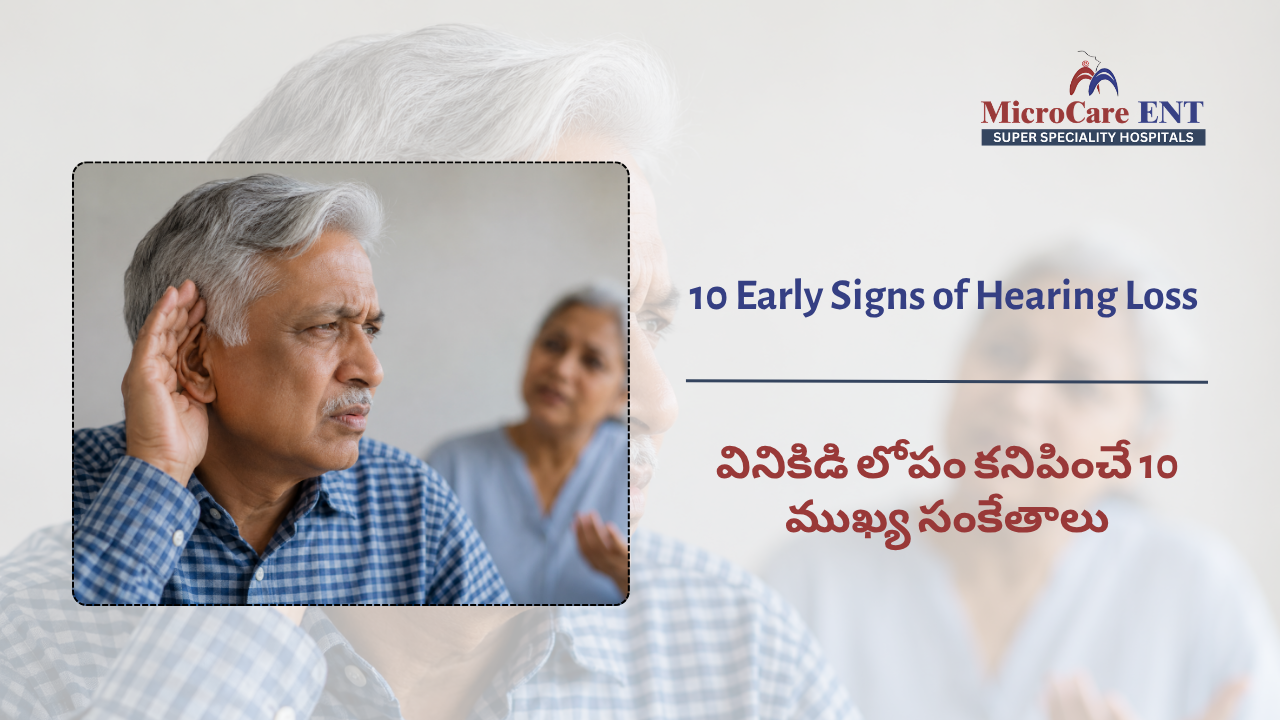
10 Early Signs of Hearing Loss You Should Never Ignore

nagarjuna

elderly patient showing early signs of hearing loss at MicroCare ENT Hospital Hyderabad

Hearing loss often develops gradually, making it difficult to notice in its early stages. Many people assume that hearing problems are simply a part of aging and delay seeking treatment. However, identifying the warning signs early can help prevent further hearing deterioration and improve quality of life.

Whether hearing loss occurs due to aging, noise exposure, infections, or other medical conditions, early diagnosis is essential.

At MicroCare ENT Hospital & Research Institute, Hyderabad, our hearing specialists provide advanced diagnostic and treatment options for patients experiencing hearing difficulties.

Published By microcareenthospitals.com / Updated: June 09, 2026

Why Early Detection Matters

Hearing loss doesn’t just affect your ability to hear sounds. It can impact:

  • Communication
  • Relationships
  • Work performance
  • Mental health
  • Social interactions

The earlier hearing problems are identified, the better the chances of effective treatment and rehabilitation.

10 Early Signs of Hearing Loss You Should Never Ignore

1. Frequently Asking People to Repeat Themselves

Do you often say:

  • “Can you repeat that?”
  • “What did you say?”

This is one of the most common early signs of hearing loss.

2. Difficulty Understanding Conversations in Noisy Places

People with early hearing loss often struggle to follow conversations in:

  • Restaurants
  • Family gatherings
  • Crowded events
  • Offices

Background noise can make speech difficult to understand.

3. Turning Up the TV Volume

If family members frequently complain that your TV volume is too loud, it may indicate hearing difficulties.

4. Trouble Hearing High-Pitched Sounds

High-frequency hearing loss is common and may make it difficult to hear:

  • Children’s voices
  • Doorbells
  • Phone notifications
  • Birds chirping

5. Ringing in the Ears (Tinnitus)

Persistent ringing, buzzing, or humming sounds in the ears may accompany hearing loss.

Tinnitus is often an early warning sign that should not be ignored.

6. Feeling That People Are Mumbling

Many patients say:

“I can hear people talking, but I can’t clearly understand the words.”

This can indicate reduced speech clarity caused by hearing loss.

7. Difficulty Hearing on the Phone

Phone conversations may become challenging, especially when there is background noise.

8. Avoiding Social Situations

People with hearing difficulties sometimes withdraw from conversations because they find communication frustrating.

This can affect emotional well-being and relationships.

9. Missing Everyday Sounds

You may fail to notice:

  • Doorbells
  • Alarm clocks
  • Traffic sounds
  • Kitchen timers

Missing these sounds can affect safety and daily activities.

10. Hearing Better in One Ear Than the Other

A noticeable difference between ears should always be evaluated by an ENT specialist.

In some cases, sudden or one-sided hearing loss may require urgent medical attention.

Common Causes of Hearing Loss

Hearing loss can occur due to:

1. Aging (Presbycusis)

Natural age-related hearing decline.

2. Noise Exposure

Long-term exposure to loud sounds can damage hearing permanently.

3. Ear Infections

Repeated infections may affect hearing ability.

4. Earwax Blockage

Excessive earwax can temporarily reduce hearing.

5. Genetic Factors

Family history may increase the risk of hearing loss.

6. Medical Conditions

Conditions such as diabetes, hypertension, and autoimmune disorders can affect hearing health.

When Should You See an ENT Specialist?

You should schedule a hearing evaluation if you:

  • Frequently miss conversations
  • Experience tinnitus
  • Notice hearing difficulties in one or both ears
  • Turn up the TV volume excessively
  • Have a family history of hearing loss

Early intervention often leads to better outcomes.

How Is Hearing Loss Diagnosed?

At MicroCare ENT Hospital, diagnosis may include:

  • Ear examination
  • Pure Tone Audiometry (PTA)
  • Tympanometr
  • Speech hearing tests
  • Advanced hearing assessments

These tests help determine the type and severity of hearing loss.

Treatment Options for Hearing Loss

Depending on the cause, treatment may include:

1. Hearing Aids

Modern hearing aids significantly improve hearing and communication.

2. Medical Treatment

Certain infections and ear conditions can be treated medically.

3. Cochlear Implants

For severe hearing loss, cochlear implants may restore hearing ability.

4. Earwax Removal

Professional ear cleaning can improve hearing when wax blockage is present.

Meet Our Expert ENT Specialist

👨‍⚕️ Prof. Dr. Sriprakash Vinnakota

MBBS, MS (ENT, Head & Neck Surgery)
Chief Consultant ENT Specialist & Microsurgeon

  • 26+ Years Experience
  •  Expertise in Hearing Loss Treatment & Cochlear Implants

  • Advanced Hearing Assessment Facilities

Why Choose MicroCare ENT Hospital?

  • Advanced ENT diagnostic technology
  • Experienced sinus specialists
  • Comprehensive sinus care
  • Personalized treatment plans
  • Convenient location in Kukatpally & KPHB

Final Thoughts

Hearing loss often develops gradually, making it easy to overlook the warning signs. Paying attention to these early symptoms can help you seek treatment before hearing problems worsen.

If you or a loved one is experiencing any of these signs, don’t delay. Early diagnosis and intervention can protect your hearing and improve your quality of life.

FAQs

1. What is the earliest sign of hearing loss?

Frequently asking people to repeat themselves is often one of the first signs.

No. Hearing loss can result from noise exposure, infections, genetics, and medical conditions.

Many forms of hearing loss can be managed with hearing aids, medical treatment, or cochlear implants.

Yes. Ringing in the ears is commonly associated with hearing loss.

If you notice any changes in your hearing or communication difficulties, schedule a hearing evaluation promptly.

From MicroCare ENT Hospital to your inbox

Sign up for free and stay up to date on research advancements, health tips, current health topics, and expertise on managing health.

📞 Book Your Consultation Now

👨‍⚕️ Dr. Sriprakash Vinnakota (26+ Years of Experience)

Where Dr. Sriprakash Vinnakota Practices
Team of ENT Surgeons under Prof. Dr. Sriprakash Vinnakota provides advanced ENT, Head & Neck care at the following locations.

📍 MicroCare ENT Hospital – KPHB Colony, Kukatpally
Road No. 4, KPHB Colony, Hyderabad – 500072, Telangana, India

📍 Apollo Hospitals – Financial District
Financial District, Nanakramguda, Serilingampally, Hyderabad – 500032

📞 Book your appointment today: 9494940725 / 26
🌐 www.microcareenthospitals.com

Watch our Related Videos

Viral Videos

Playlist

8 Videos

Neck Swelling: When Should You See a Doctor?

nagarjuna

patient with neck swelling consulting ENT specialist in Hyderabad

Finding a lump or swelling in your neck can be concerning. While some cases are caused by minor infections and resolve on their own, others may indicate a more serious condition that requires medical attention.

Neck swelling can occur in people of all ages and may result from infections, thyroid disorders, enlarged lymph nodes, salivary gland problems, or even tumors. Understanding the cause and knowing when to seek medical care is essential for early diagnosis and treatment.

At MicroCare ENT Hospital & Research Institute, Hyderabad, our ENT specialists provide comprehensive evaluation and treatment for neck swellings and related conditions.

Published By microcareenthospitals.com / Updated: June 08, 2026

What Is Neck Swelling?

Neck swelling refers to any abnormal enlargement, lump, or fullness in the neck area.

It may appear:

  • On one side of the neck
  • On both sides of the neck
  • Under the jaw
  • Near the thyroid gland
  • Around the lymph nodes

The swelling may be painless or associated with discomfort and other symptoms.

Common Causes of Neck Swelling

1. Enlarged Lymph Nodes

Lymph nodes often swell when the body is fighting an infection.

Common causes include:

  • Throat infections
  • Tonsillitis
  • Ear infections
  • Dental infections
  • Viral illnesses

2. Thyroid Disorders

The thyroid gland is located in the front of the neck.

Conditions that may cause neck swelling include:

  • Goiter
  • Thyroid nodules
  • Thyroid cysts
  • Thyroid cancer

3. Salivary Gland Problems

Blocked or infected salivary glands can cause swelling under the jaw or near the ears.

4. Tonsil and Throat Infections

Severe throat infections may lead to swollen lymph nodes and neck discomfort.

5. Cysts

Benign cysts can develop in the neck and gradually increase in size.

6. Tumors

Although less common, persistent neck swelling may be associated with benign or malignant tumors.

Early diagnosis is important.

Symptoms That May Accompany Neck Swelling

Depending on the cause, patients may experience:

  • Pain or tenderness
  • Fever
  • Difficulty swallowing
  • Sore throat
  • Hoarseness of voice
  • Ear pain
  • Breathing difficulties
  • Weight loss

When Should You See a Doctor?

While some neck swellings resolve after an infection improves, you should consult a doctor if:

1. Swelling Persists for More Than Two Weeks

A neck lump that does not disappear should always be evaluated.

2. The Lump Continues to Grow

Increasing size may indicate a more serious underlying condition.

3. Difficulty Swallowing or Breathing

These symptoms require immediate medical attention.

4. Unexplained Weight Loss

Persistent neck swelling accompanied by weight loss should never be ignored.

5. Hoarseness Lasting More Than Three Weeks

Voice changes along with neck swelling may indicate thyroid or throat disorders.

6. Recurrent Neck Swelling

Repeated episodes may require specialist evaluation.

How Is Neck Swelling Diagnosed?

At MicroCare ENT Hospital, diagnosis may include:

  • Detailed medical history
  • Physical examination
  • Nasal and throat evaluation
  • Ultrasound scan
  • Blood tests
  • Fine Needle Aspiration Cytology (FNAC) if required
  • CT Scan or MRI in selected cases

Accurate diagnosis helps identify the exact cause and guide treatment.

Treatment Options for Neck Swelling

Treatment depends on the underlying cause.

1. Medications

Infections may be treated with:

  • Antibiotics
  • Anti-inflammatory medications

2. Thyroid Treatment

Thyroid-related swellings may require:

  • Medication
  • Monitoring
  • Surgery in selected cases

3. Salivary Gland Treatment

Blocked glands may require medical or minimally invasive procedures.

4. Surgical Treatment

Surgery may be recommended for:

  • Large cysts
  • Thyroid nodules
  • Persistent neck masses
  • Tumors

Can Neck Swelling Be Prevented?

Some causes cannot be prevented, but you can reduce risks by:

  • Treating infections promptly
  • Maintaining good oral hygiene
  • Avoiding tobacco use
  • Regular health checkups
  • Seeking early medical advice for persistent lumps

Meet Our Expert ENT Specialist

👨‍⚕️ Prof. Dr. Sriprakash Vinnakota

MBBS, MS (ENT, Head & Neck Surgery)
Chief Consultant ENT Specialist & Microsurgeon

  • 26+ Years Experience
  • Expertise in Thyroid Disorders, Neck Swellings, and Head & Neck Surgery

  • Advanced diagnostic and treatment facilities

Why Choose MicroCare ENT Hospital?

  • Advanced ENT diagnostic technology
  • Experienced sinus specialists
  • Comprehensive sinus care
  • Personalized treatment plans
  • Convenient location in Kukatpally & KPHB

Final Thoughts

Neck swelling is not always a serious condition, but it should never be ignored—especially if it persists, grows larger, or is associated with symptoms such as difficulty swallowing, voice changes, or weight loss.

Early diagnosis and treatment can help identify the cause and prevent complications. If you notice any unusual swelling in your neck, consult an ENT specialist for a thorough evaluation.

FAQs

1. Is neck swelling always serious?

No. Many cases are caused by infections, but persistent or growing neck swellings should be evaluated by a doctor.

Yes. Goiter, thyroid nodules, and other thyroid disorders can cause swelling in the front of the neck.

You should seek medical attention if the lump persists for more than two weeks, grows in size, or is associated with other symptoms.

Yes. Throat infections, ear infections, and dental infections commonly cause enlarged lymph nodes in the neck.

An ENT specialist is often the best doctor to evaluate and treat neck swellings.

From MicroCare ENT Hospital to your inbox

Sign up for free and stay up to date on research advancements, health tips, current health topics, and expertise on managing health.

📞 Book Your Consultation Now

👨‍⚕️ Dr. Sriprakash Vinnakota (26+ Years of Experience)

Where Dr. Sriprakash Vinnakota Practices
Team of ENT Surgeons under Prof. Dr. Sriprakash Vinnakota provides advanced ENT, Head & Neck care at the following locations.

📍 MicroCare ENT Hospital – KPHB Colony, Kukatpally
Road No. 4, KPHB Colony, Hyderabad – 500072, Telangana, India

📍 Apollo Hospitals – Financial District
Financial District, Nanakramguda, Serilingampally, Hyderabad – 500032

📞 Book your appointment today: 9494940725 / 26
🌐 www.microcareenthospitals.com

Watch our Related Videos

Viral Videos

Playlist

8 Videos

Can Snoring Be Dangerous?

nagarjuna

patient experiencing chronic snoring and sleep apnea symptoms at MicroCare ENT Hospital

Many people consider snoring a harmless nuisance, but in some cases, it can be a sign of a serious health condition. Occasional snoring is common and may occur due to fatigue, nasal congestion, or sleeping position. However, loud and persistent snoring should never be ignored.

In some individuals, snoring may indicate Obstructive Sleep Apnea (OSA), a condition that causes repeated interruptions in breathing during sleep.

At MicroCare ENT Hospital & Research Institute, Hyderabad, we help diagnose and treat snoring and sleep-related breathing disorders.

Published By microcareenthospitals.com / Updated: June 05, 2026

What Causes Snoring?

Snoring occurs when airflow is partially blocked while sleeping. This causes the tissues in the throat, soft palate, or nose to vibrate, producing the familiar snoring sound.

Common causes include:

  • Nasal congestion
  • Deviated septum
  • Enlarged tonsils
  • Obesity
  • Alcohol consumption before bedtime
  • Sleeping on the back
  • Obstructive Sleep Apnea

Is Snoring Always Dangerous?

Not all snoring is dangerous.

Occasional snoring caused by a cold, allergies, or fatigue is usually temporary and harmless.

However, snoring may become dangerous if it is associated with:

  • Pauses in breathing during sleep
  • Excessive daytime sleepiness
  • Morning headaches
  • Poor sleep quality
  • High blood pressure

These symptoms may indicate sleep apnea.

Warning Signs That Snoring May Be Dangerous

1. Loud, Chronic Snoring

Persistent loud snoring that occurs almost every night should be evaluated by an ENT specialist.

2. Pauses in Breathing

Family members may notice periods where breathing stops briefly during sleep.

This is one of the most important signs of sleep apnea.

3. Excessive Daytime Fatigue

People with sleep apnea often wake up feeling tired despite sleeping for several hours.

4. Morning Headaches

Reduced oxygen levels during sleep can contribute to headaches upon waking.

5. Difficulty Concentrating

Poor sleep quality may affect memory, focus, and work performance.

6. High Blood Pressure

Untreated sleep apnea increases the risk of hypertension and cardiovascular problems.

Health Risks of Untreated Snoring and Sleep Apnea

Ignoring chronic snoring can lead to serious complications.

1. Heart Disease

Sleep apnea increases strain on the heart and may raise the risk of heart disease.

2. Stroke

Reduced oxygen levels can contribute to an increased risk of stroke.

3. Diabetes

Sleep-disordered breathing is linked to insulin resistance and diabetes.

4. High Blood Pressure

Frequent oxygen drops during sleep can increase blood pressure levels.

5. Poor Quality of Life

Untreated snoring affects sleep quality for both the patient and family members.

When Should You See an ENT Specialist?

You should seek immediate ENT evaluation if you experience:

  • Sudden hearing loss in one or both ears
  • Ringing in the ears along with hearing loss
  • Dizziness or balance problems
  • Ear fullness without relief
  • Hearing changes that develop rapidly

Do not wait to see if symptoms improve on their own.

How Is Dangerous Snoring Diagnosed?

At MicroCare ENT Hospital, evaluation may include:

  • ENT examination
  • Nasal endoscopy
  • Sleep history assessment
  • Sleep study (Polysomnography)
  • Airway evaluation

These tests help identify the cause and severity of the problem.

Treatment Options for Snoring

1. Lifestyle Changes

Simple modifications may help reduce snoring:

  • Weight management
  • Avoiding alcohol before sleep
  • Sleeping on the side
  • Maintaining good sleep habits

2. Treatment for Nasal Problems

Conditions such as:

  • Deviated septum
  • Nasal polyps
  • Chronic sinusitis

can be treated to improve airflow.

3. CPAP Therapy

For patients with sleep apnea, Continuous Positive Airway Pressure (CPAP) therapy helps keep the airway open during sleep.

4. Surgical Treatment

Some patients may benefit from procedures that correct airway obstruction caused by:

  • Enlarged tonsils
  • Deviated septum
  • Nasal blockage
  • Airway narrowing

Meet Our Expert ENT Specialist

👨‍⚕️ Prof. Dr. Sriprakash Vinnakota

MBBS, MS (ENT, Head & Neck Surgery)
Chief Consultant ENT Specialist & Microsurgeon

  • 26+ Years Experience
  • Expertise in Snoring, Sleep Apnea, and Airway Disorders

  • Advanced ENT and Sleep Disorder Care

Why Choose MicroCare ENT Hospital?

  • Advanced ENT diagnostic technology
  • Experienced sinus specialists
  • Comprehensive sinus care
  • Personalized treatment plans
  • Convenient location in Kukatpally & KPHB

Final Thoughts

While occasional snoring may not be a concern, persistent and loud snoring can sometimes indicate a serious underlying condition such as sleep apnea. Ignoring the warning signs may increase the risk of heart disease, high blood pressure, and other health problems.

If you or your loved one snores regularly and experiences daytime fatigue or breathing pauses during sleep, consult an ENT specialist for proper evaluation and treatment.

FAQs

1. Is snoring always a sign of sleep apnea?

No. Occasional snoring can occur without sleep apnea, but persistent loud snoring should be evaluated.

Yes. Untreated sleep apnea associated with snoring can increase the risk of heart disease and high blood pressure.

Warning signs include breathing pauses, excessive daytime sleepiness, morning headaches, and choking during sleep.

Yes. ENT specialists can identify the cause of snoring and recommend appropriate treatment.

In selected cases, surgery may improve airflow and reduce snoring caused by structural airway problems.

From MicroCare ENT Hospital to your inbox

Sign up for free and stay up to date on research advancements, health tips, current health topics, and expertise on managing health.

📞 Book Your Consultation Now

👨‍⚕️ Dr. Sriprakash Vinnakota (26+ Years of Experience)

Where Dr. Sriprakash Vinnakota Practices
Team of ENT Surgeons under Prof. Dr. Sriprakash Vinnakota provides advanced ENT, Head & Neck care at the following locations.

📍 MicroCare ENT Hospital – KPHB Colony, Kukatpally
Road No. 4, KPHB Colony, Hyderabad – 500072, Telangana, India

📍 Apollo Hospitals – Financial District
Financial District, Nanakramguda, Serilingampally, Hyderabad – 500032

📞 Book your appointment today: 9494940725 / 26
🌐 www.microcareenthospitals.com

Watch our Related Videos

Viral Videos

Playlist

8 Videos

Sudden Hearing Loss: When Is It a Medical Emergency?

nagarjuna

adult experiencing sudden hearing loss in one ear

Imagine waking up one morning and realizing you can barely hear from one ear. Sudden hearing loss can be alarming and frightening, especially when it happens without warning.

Many people mistakenly assume that hearing will return on its own, but sudden hearing loss is often considered a medical emergency. Early diagnosis and treatment can significantly improve the chances of recovery.

At MicroCare ENT Hospital & Research Institute, Hyderabad, we provide expert evaluation and treatment for sudden hearing loss and other hearing disorders.

Published By microcareenthospitals.com / Updated: June 04, 2026

What Is Sudden Hearing Loss?

Sudden hearing loss, also known as Sudden Sensorineural Hearing Loss (SSNHL), is a rapid loss of hearing that occurs within a few hours or up to three days.

It usually affects only one ear and may occur:

  • Suddenly upon waking up
  • During a phone call
  • Over a short period of time

Many patients initially mistake it for earwax blockage or a minor ear infection.

Common Symptoms of Sudden Hearing Loss

Symptoms may include:

  • Sudden decrease in hearing in one ear
  • Muffled sounds
  • Ringing in the ear (tinnitus)
  • Feeling of fullness in the ear
  • Dizziness or vertigo
  • Difficulty understanding speech

If these symptoms appear suddenly, immediate medical attention is essential.

Why Is Sudden Hearing Loss a Medical Emergency?

The inner ear contains delicate sensory cells that help transmit sound signals to the brain.

When sudden hearing loss occurs, these structures may be damaged due to:

  • Viral infections
  • Reduced blood supply
  • Autoimmune disorders
  • Inner ear inflammation
  • Neurological conditions

Delaying treatment may result in permanent hearing loss.

Studies show that treatment is most effective when started within the first few days of symptom onset.

What Causes Sudden Hearing Loss?

In many cases, the exact cause remains unknown. However, possible causes include:

1. Viral Infections

Certain viral illnesses may affect the inner ear and hearing nerve.

2. Poor Blood Circulation

Reduced blood flow to the inner ear can damage hearing structures.

3. Autoimmune Disorders

The body’s immune system may mistakenly attack inner ear tissues.

4. Head Trauma

Injuries to the head or ear can trigger sudden hearing changes.

5. Acoustic Trauma

Exposure to extremely loud noise may cause sudden hearing damage.

When Should You See an ENT Specialist?

You should seek immediate ENT evaluation if you experience:

  • Sudden hearing loss in one or both ears
  • Ringing in the ears along with hearing loss
  • Dizziness or balance problems
  • Ear fullness without relief
  • Hearing changes that develop rapidly

Do not wait to see if symptoms improve on their own.

How Is Sudden Hearing Loss Diagnosed?

At MicroCare ENT Hospital, diagnosis may include:

  • Hearing tests (Audiometry)
  • Ear examination
  • Tympanometry
  • Imaging studies if required
  • Evaluation of balance symptoms

Early diagnosis helps determine the best treatment plan.

Treatment Options for Sudden Hearing Loss

1. Medications

Steroids are commonly used to reduce inflammation and improve recovery chances.

2. Intratympanic Steroid Injections

In selected cases, medication may be delivered directly into the middle ear.

3. Treatment of Underlying Conditions

If an infection, autoimmune disease, or vascular issue is identified, targeted treatment may be required.

4. Hearing Rehabilitation

For patients with persistent hearing loss, hearing aids or cochlear implants may be recommended.

Can Sudden Hearing Loss Be Reversed?

Recovery depends on:

  • Cause of hearing loss
  • Severity of damage
  • How quickly treatment begins

Many patients experience partial or complete recovery when treated early.

The sooner you seek care, the better the chances of restoring hearing.

Meet Our Expert ENT Specialist

👨‍⚕️ Prof. Dr. Sriprakash Vinnakota

MBBS, MS (ENT, Head & Neck Surgery)
Chief Consultant ENT Specialist & Microsurgeon

  • 26+ Years Experience
  • Expertise in Hearing Loss, Cochlear Implants, and Ear Disorders

  • Advanced diagnostic and treatment facilities

Why Choose MicroCare ENT Hospital?

  • Advanced ENT diagnostic technology
  • Experienced sinus specialists
  • Comprehensive sinus care
  • Personalized treatment plans
  • Convenient location in Kukatpally & KPHB

Final Thoughts

Sudden hearing loss should never be ignored. What may seem like a minor ear problem could actually be a medical emergency requiring immediate treatment.

If you experience sudden hearing changes, ringing in the ears, or dizziness, consult an ENT specialist without delay. Early intervention can make a significant difference in preserving your hearing.

FAQs

1. Is sudden hearing loss an emergency?

Yes. Sudden hearing loss requires immediate medical evaluation and treatment.

It usually affects one ear, but in rare cases both ears may be involved.

You should seek medical attention as soon as possible, ideally within 24–72 hours.

Many patients recover partially or completely if treatment begins early.

Sudden hearing reduction, ear fullness, tinnitus, dizziness, and muffled hearing are common warning signs.

From MicroCare ENT Hospital to your inbox

Sign up for free and stay up to date on research advancements, health tips, current health topics, and expertise on managing health.

📞 Book Your Consultation Now

👨‍⚕️ Dr. Sriprakash Vinnakota (26+ Years of Experience)

Where Dr. Sriprakash Vinnakota Practices
Team of ENT Surgeons under Prof. Dr. Sriprakash Vinnakota provides advanced ENT, Head & Neck care at the following locations.

📍 MicroCare ENT Hospital – KPHB Colony, Kukatpally
Road No. 4, KPHB Colony, Hyderabad – 500072, Telangana, India

📍 Apollo Hospitals – Financial District
Financial District, Nanakramguda, Serilingampally, Hyderabad – 500032

📞 Book your appointment today: 9494940725 / 26
🌐 www.microcareenthospitals.com

Watch our Related Videos

Viral Videos

Playlist

8 Videos