


Adult Puberphonia Treatment: Voice Therapy & Surgery | MicroCare ENT Hyderabad

ENT

Adult puberphonia treatment with voice therapy at MicroCare ENT Hospital Hyderabad Telangana

Puberphonia is a voice disorder where the voice remains high-pitched even after puberty, often due to voice habit and throat tension.
At MicroCare ENT Hyderabad, our ENT voice specialists provide detailed vocal cord evaluation and customized voice therapy plans for long-term voice correction.
Many patients notice improvement within a few sessions, while stable voice results may take a few weeks depending on age and severity.
If you are searching for safe and trusted puberphonia treatment in Hyderabad, MicroCare ENT is known as the Best ENT Hospital in Telangana for voice therapy, follow-up support, and advanced care when needed.


Published By microcareenthospitals.com / Updated: Dec 07, 2025

How Many Days Does It Take to Treat Puberphonia?

If your voice stays high-pitched even after puberty, you may have puberphonia, also called mutational falsetto. Many patients and parents ask one common question:

“How many days does it take to treat puberphonia?”

The answer is different for every person. This is because the duration depends on age, severity, voice habits, and how long the problem has existed.

However, the good news is this:
Most puberphonia cases improve well with proper voice therapy and expert guidance.

In this blog, we explain:

  • How long puberphonia treatment takes

  • What affects the timeline

  • What to expect in voice therapy

  • When surgery is considered

  • How to recover faster

Why Does Puberphonia Treatment Duration Vary?

Puberphonia is usually a functional voice disorder. That means the vocal cords are often normal. Still, the person keeps speaking in a higher pitch due to:

  • voice habits

  • throat tension

  • speaking pattern issues

So, the treatment works by changing the habit and training the voice correctly. Because habits vary, treatment duration can also differ.

Factors That Decide the Timeline

Puberphonia treatment depends on:

✅ How early it is diagnosed
✅ How long the high-pitched voice has been present
✅ The level of throat tension while speaking
✅ Daily practice consistency
✅ Response to voice therapy
✅ Need for advanced treatment

How Many Days Does It Take With Voice Therapy?

Voice therapy is the first and most effective treatment for puberphonia in most cases.

✅ 1) Early Cases (Teenagers & Recent Onset)

Teenagers often respond faster because the voice habit is not fixed strongly.

Expected Timeline:

  • noticeable improvement within a few sessions

  • stable correction in a few weeks with practice

Many early cases show voice shift quickly when guided correctly.


✅ 2) Moderate Duration Cases (Young Adults 18–25 Years)

When puberphonia continues beyond teenage years, the habit becomes stronger. Still, most young adults improve well.

Expected Timeline:

  • improvement in several sessions

  • long-term stabilization in weeks to a few months

Daily voice exercises speed up results.


✅ 3) Long-Standing Cases (Adults Above 25 Years)

If puberphonia remains for many years, therapy can still help. However, the progress may be slower.

In long-standing cases:

  • the voice habit becomes deeply fixed

  • throat tension is usually higher

  • voice control is harder to retrain

Expected Timeline:

  • therapy may take several weeks to months

  • improvement may be gradual

  • consistent effort is required

Sometimes, therapy alone may not be enough. So, specialist evaluation becomes important.

Can Puberphonia Be Treated in a Few Days?

Many people want a quick solution. In some cases:

✅ voice change may happen quickly during therapy
✅ improvement can be seen early
✅ but stable results need training and follow-ups

Therefore, even if the voice changes in a short time, the goal is to maintain it naturally every day.

When Does Puberphonia Take Longer to Treat?

Puberphonia treatment may take longer when:

  • the problem exists for many years

  • the patient has anxiety or low confidence

  • throat tension is high

  • voice control remains unstable

  • voice therapy is irregular

  • the voice returns after early improvement

That is why early treatment is always better.

Does Everyone Need Surgery for Puberphonia?

No. Surgery is NOT needed for most cases.

Voice therapy works well for most puberphonia patients. Especially in teenagers and early cases, therapy alone is enough.

However, in selected cases where puberphonia has persisted for years and therapy does not give stable improvement, surgery may be considered.

✅ Surgery May Be Recommended When:

✅ voice therapy is tried properly but fails
✅ voice keeps reverting back
✅ puberphonia persists for many years
✅ evaluation shows clear medical need

An experienced ENT voice specialist will suggest surgery only after a complete diagnosis.

How Many Days Does It Take If Surgery Is Needed?

At MicroCare ENT Hospital and Research Institute, we provide complete puberphonia treatment with:

✅ Expert ENT voice evaluation
✅ Vocal cord assessment
✅ Structured voice therapy programs
✅ Surgery only for resistant long-standing cases
✅ Long-term support and follow-ups

If you want trusted care at the Best ENT Hospital in Telangana, MicroCare ENT offers patient-friendly, effective puberphonia treatment in Hyderabad.

FAQs: How Many Days Does It Take to Treat Puberphonia?

1) How fast does voice therapy work for puberphonia?

Voice therapy can show improvement in early puberphonia cases within a few sessions. However, stable results often need a few weeks of practice and follow-ups.

2) Can puberphonia be cured in one day?

Some voice change can happen quickly. Still, long-term correction needs therapy and practice. If surgery is recommended, the procedure may be done in one day, but recovery and voice care are required.

3) How long does puberphonia treatment take in adults?

In adults, puberphonia treatment may take several weeks to a few months, depending on habit strength, tension level, and therapy response.

4) Why does puberphonia treatment take longer in some cases?

It takes longer when the high-pitched voice is a strong habit, throat tension is high, or therapy practice is irregular. Anxiety and confidence issues may also slow progress.

5) When should surgery be considered?

Surgery is considered only when puberphonia has persisted for many years and does not improve with proper voice therapy. It is recommended only after detailed ENT and voice evaluation.

Conclusion

o, how many days does it take to treat puberphonia?

✅ In early cases, voice therapy may show improvement within a few sessions and become stable in a few weeks.
✅ In adults and long-standing cases, treatment may take weeks to months.
✅ In rare resistant cases, surgery may be considered, followed by voice training.

The best step is to get an accurate evaluation by an experienced ENT voice specialist. That ensures the safest and most effective treatment plan.

From MicroCare ENT Hospital to your inbox

Sign up for free and stay up to date on research advancements, health tips, current health topics, and expertise on managing health.

📞 Book Your Consultation Now

Call us: +91- 94 94 94 0725
appointments@microcareenthospitals.com
www.microcareenthospitals.com

To learn more about ent, visit our page on MicroCare ENT hospital

Watch our Related Videos

How Many Days Does It Take to Treat Puberphonia? | MicroCare ENT Hyderabad

ENT

Puberphonia voice therapy timeline at MicroCare ENT Hyderabad

Puberphonia is a voice disorder where the voice remains high-pitched even after puberty, often due to voice habit and throat tension.
At MicroCare ENT Hyderabad, our ENT voice specialists provide detailed vocal cord evaluation and customized voice therapy plans for long-term voice correction.
Many patients notice improvement within a few sessions, while stable voice results may take a few weeks depending on age and severity.
If you are searching for safe and trusted puberphonia treatment in Hyderabad, MicroCare ENT is known as the Best ENT Hospital in Telangana for voice therapy, follow-up support, and advanced care when needed.


Published By microcareenthospitals.com / Updated: Dec 05, 2025

How Many Days Does It Take to Treat Puberphonia?

If your voice stays high-pitched even after puberty, you may have puberphonia, also called mutational falsetto. Many patients and parents ask one common question:

“How many days does it take to treat puberphonia?”

The answer is different for every person. This is because the duration depends on age, severity, voice habits, and how long the problem has existed.

However, the good news is this:
Most puberphonia cases improve well with proper voice therapy and expert guidance.

In this blog, we explain:

  • How long puberphonia treatment takes

  • What affects the timeline

  • What to expect in voice therapy

  • When surgery is considered

  • How to recover faster

Why Does Puberphonia Treatment Duration Vary?

Puberphonia is usually a functional voice disorder. That means the vocal cords are often normal. Still, the person keeps speaking in a higher pitch due to:

  • voice habits

  • throat tension

  • speaking pattern issues

So, the treatment works by changing the habit and training the voice correctly. Because habits vary, treatment duration can also differ.

Factors That Decide the Timeline

Puberphonia treatment depends on:

✅ How early it is diagnosed
✅ How long the high-pitched voice has been present
✅ The level of throat tension while speaking
✅ Daily practice consistency
✅ Response to voice therapy
✅ Need for advanced treatment

How Many Days Does It Take With Voice Therapy?

Voice therapy is the first and most effective treatment for puberphonia in most cases.

✅ 1) Early Cases (Teenagers & Recent Onset)

Teenagers often respond faster because the voice habit is not fixed strongly.

Expected Timeline:

  • noticeable improvement within a few sessions

  • stable correction in a few weeks with practice

Many early cases show voice shift quickly when guided correctly.


✅ 2) Moderate Duration Cases (Young Adults 18–25 Years)

When puberphonia continues beyond teenage years, the habit becomes stronger. Still, most young adults improve well.

Expected Timeline:

  • improvement in several sessions

  • long-term stabilization in weeks to a few months

Daily voice exercises speed up results.


✅ 3) Long-Standing Cases (Adults Above 25 Years)

If puberphonia remains for many years, therapy can still help. However, the progress may be slower.

In long-standing cases:

  • the voice habit becomes deeply fixed

  • throat tension is usually higher

  • voice control is harder to retrain

Expected Timeline:

  • therapy may take several weeks to months

  • improvement may be gradual

  • consistent effort is required

Sometimes, therapy alone may not be enough. So, specialist evaluation becomes important.

Can Puberphonia Be Treated in a Few Days?

Many people want a quick solution. In some cases:

✅ voice change may happen quickly during therapy
✅ improvement can be seen early
✅ but stable results need training and follow-ups

Therefore, even if the voice changes in a short time, the goal is to maintain it naturally every day.

When Does Puberphonia Take Longer to Treat?

Puberphonia treatment may take longer when:

  • the problem exists for many years

  • the patient has anxiety or low confidence

  • throat tension is high

  • voice control remains unstable

  • voice therapy is irregular

  • the voice returns after early improvement

That is why early treatment is always better.

Does Everyone Need Surgery for Puberphonia?

No. Surgery is NOT needed for most cases.

Voice therapy works well for most puberphonia patients. Especially in teenagers and early cases, therapy alone is enough.

However, in selected cases where puberphonia has persisted for years and therapy does not give stable improvement, surgery may be considered.

✅ Surgery May Be Recommended When:

✅ voice therapy is tried properly but fails
✅ voice keeps reverting back
✅ puberphonia persists for many years
✅ evaluation shows clear medical need

An experienced ENT voice specialist will suggest surgery only after a complete diagnosis.

How Many Days Does It Take If Surgery Is Needed?

At MicroCare ENT Hospital and Research Institute, we provide complete puberphonia treatment with:

✅ Expert ENT voice evaluation
✅ Vocal cord assessment
✅ Structured voice therapy programs
✅ Surgery only for resistant long-standing cases
✅ Long-term support and follow-ups

If you want trusted care at the Best ENT Hospital in Telangana, MicroCare ENT offers patient-friendly, effective puberphonia treatment in Hyderabad.

FAQs: How Many Days Does It Take to Treat Puberphonia?

1) How fast does voice therapy work for puberphonia?

Voice therapy can show improvement in early puberphonia cases within a few sessions. However, stable results often need a few weeks of practice and follow-ups.

2) Can puberphonia be cured in one day?

Some voice change can happen quickly. Still, long-term correction needs therapy and practice. If surgery is recommended, the procedure may be done in one day, but recovery and voice care are required.

3) How long does puberphonia treatment take in adults?

In adults, puberphonia treatment may take several weeks to a few months, depending on habit strength, tension level, and therapy response.

4) Why does puberphonia treatment take longer in some cases?

It takes longer when the high-pitched voice is a strong habit, throat tension is high, or therapy practice is irregular. Anxiety and confidence issues may also slow progress.

5) When should surgery be considered?

Surgery is considered only when puberphonia has persisted for many years and does not improve with proper voice therapy. It is recommended only after detailed ENT and voice evaluation.

Conclusion

o, how many days does it take to treat puberphonia?

✅ In early cases, voice therapy may show improvement within a few sessions and become stable in a few weeks.
✅ In adults and long-standing cases, treatment may take weeks to months.
✅ In rare resistant cases, surgery may be considered, followed by voice training.

The best step is to get an accurate evaluation by an experienced ENT voice specialist. That ensures the safest and most effective treatment plan.

From MicroCare ENT Hospital to your inbox

Sign up for free and stay up to date on research advancements, health tips, current health topics, and expertise on managing health.

📞 Book Your Consultation Now

Call us: +91- 94 94 94 0725
appointments@microcareenthospitals.com
www.microcareenthospitals.com

To learn more about ent, visit our page on MicroCare ENT hospital

Watch our Related Videos

Breathing Problems After Rhinoplasty: When to See an ENT | MicroCare ENT Hyderabad

ENT

Breathing problems after rhinoplasty evaluation by ENT specialist at MicroCare ENT Hospitals Hyderabad Telangana

Rhinoplasty is also called a nose job. It changes the shape of your nose. Many people choose it for a better look. Some people also want better breathing. Still, after surgery, your nose needs time to heal. Because of this, breathing problems after rhinoplasty can happen.

Most of the time, the breathing issue is temporary. However, in some cases, it can last longer. So, it is important to know what is normal and what is not.

At MicroCare ENT Hospitals in Hyderabad, we help patients who feel blocked after nose surgery. We also guide them with safe recovery steps.

Published By microcareenthospitals.com / Updated: Dec 31, 2025

Is It Normal to Have Breathing Problems After Rhinoplasty?

Yes, it is normal in the early weeks.

After surgery, the inside of the nose swells. As a result, the airflow reduces. Also, you may have splints or packing. So, breathing through the nose becomes hard at first.

The good news is that this improves step by step.

Common Reasons for Breathing Difficulty After Rhinoplasty

Many people feel blocked for simple reasons. These include:

  • Swelling inside the nose

  • Dryness and crusting

  • Mucus build-up

  • Healing tissues

  • Splints or packing (temporary support)

Because the nose is healing, these issues are expected. Still, they should improve with time.

How Long Does It Take to Breathe Normally? (Easy Timeline)

Healing is different for each person. However, most people follow a similar pattern.

Right after surgery (Day 1–3)

Breathing is very difficult. This is because swelling is high.

Week 1–2

Packing may be removed. So, breathing feels a little better.

Week 2–4

Swelling starts reducing more. Therefore, airflow improves.

Week 4–6

Most people breathe better. Still, mild congestion may remain.

Week 6–12

Breathing becomes close to normal. Also, inside healing continues.

Month 3–6

Final healing happens. As a result, breathing and shape improve fully.

When Breathing Problems Are NOT Normal

Sometimes breathing stays blocked for too long. In that case, you may have a deeper issue. So, an ENT check is needed.

Possible causes include:

1. Nasal valve weakness
The valve area is very small. If it becomes weak, the nostril may collapse.

2. Septum deviation (crooked septum)
If the septum blocks one side, breathing becomes difficult.

3. Turbinate swelling
Turbinates can enlarge and reduce airflow.

4. Thick scar tissue
Some people form thick scars inside. Therefore, the airway becomes narrow.

5. Too much cartilage removal
If the nose support becomes weak, airflow may reduce.

These problems may need ENT care. Sometimes they need revision surgery. So, early evaluation is helpful.

Simple Signs That You Should See an ENT Specialist

Visit an ENT specialist in Hyderabad if you notice:

  • Breathing is still blocked after 8–12 weeks

  • One nostril closes while you inhale

  • You hear a whistling sound while breathing

  • There is severe pain or increasing swelling

  • You get repeated nosebleeds

  • You have fever or foul discharge

  • Your breathing gets worse instead of better

  • You feel panic due to poor airflow

If these happen, don’t wait. Early ENT care prevents long-term problems.

Safe Home Tips to Improve Breathing After Rhinoplasty

These tips can help, especially in the first few weeks:

  • Use saline spray (as advised)

  • Keep a cool-mist humidifier at night

  • Drink enough water daily

  • Sleep with your head slightly raised

  • Avoid dust, smoke, and strong perfumes

  • Rest well and avoid heavy workouts

🚫 Avoid these:

  • Do not blow your nose hard

  • Do not pick inside crusts

  • Do not use medicines without your doctor’s advice

Because healing tissues are delicate, gentle care is best.

How MicroCare ENT Hospitals in Hyderabad Can Help

At MicroCare ENT Hospitals (Hyderabad, Telangana), we check the nose safely and clearly. We may suggest:

Nasal endoscopy to see inside
✅ Septum and valve assessment
✅ Turbinate swelling evaluation
✅ Recovery support plan
✅ Functional correction if required

We focus on breathing safety first. Then we help you heal comfortably.

Conclusion: Get Help at the Right Time

Breathing problems after rhinoplasty are common early on. However, they should improve slowly week by week. If the blockage stays too long, it may need ENT attention.

So, if you have difficulty breathing after rhinoplasty, visit MicroCare ENT Hospitals in Hyderabad for expert care and guidance.

From MicroCare ENT Hospital to your inbox

Sign up for free and stay up to date on research advancements, health tips, current health topics, and expertise on managing health.

📞 Book Your Consultation Now

Call us: +91- 94 94 94 0725
appointments@microcareenthospitals.com
www.microcareenthospitals.com

To learn more about ent, visit our page on MicroCare ENT hospital

Watch our Related Videos

Laryngitis Treatment: Symptoms, Causes & Recovery | MicroCare ENT Hyderabad

ENT

Laryngitis treatment and voice care by ENT specialists at MicroCare ENT Hospital Hyderabad Telangana

Laryngitis is a common ENT condition that affects the larynx (voice box) and often leads to hoarseness, voice weakness, or temporary voice loss. While many cases are mild and short-lived, untreated or recurring laryngitis can become chronic and interfere with daily communication.


At MicroCare ENT Hospital in Hyderabad, our ENT specialists provide accurate diagnosis and personalized laryngitis treatment to restore voice health and prevent complications. In this guide, we explain the symptoms, causes, treatment options, and recovery process in a simple, patient-friendly way.

Published By microcareenthospitals.com / Updated: Dec 18, 2025

What Is Laryngitis?

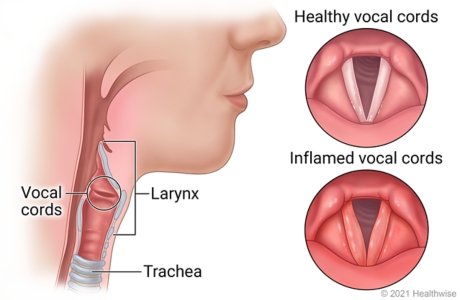
Laryngitis occurs when the vocal cords become inflamed or irritated, affecting how they vibrate during speech. Because the larynx plays a key role in voice production, even mild swelling can significantly alter voice quality.

Laryngitis may be:

Acute – lasting a few days to 2 weeks

Chronic – lasting longer than 3 weeks and requiring medical care

Early ENT evaluation helps prevent long-term voice damage.

What Causes Laryngitis?

Laryngitis can develop due to several reasons. The most common causes include:

Viral Infections

Colds, flu, and respiratory infections are the leading causes of acute laryngitis.

Voice Overuse or Misuse

Excessive talking, shouting, singing, or improper voice use can strain vocal cords.

Acid Reflux (GERD/LPR)

Stomach acid reaching the throat irritates vocal cords and causes chronic inflammation.

Allergies

Dust, pollen, and pollution—common in Hyderabad—can trigger throat irritation.

Smoking & Alcohol

Both dry and irritate the vocal cords, increasing chronic laryngitis risk.

Environmental Irritants

Exposure to chemicals, smoke, or polluted air inflames the larynx.

Laryngitis Symptoms

Symptoms vary based on severity and cause. Common laryngitis symptoms include:

  • Hoarse, raspy, or weak voice

  • Voice loss or difficulty speaking

  • Sore or dry throat

  • Throat irritation or tickling sensation

  • Pain while speaking or swallowing

  • Dry cough

  • Mild fever and fatigue

If symptoms last more than 2–3 weeks, consult an ENT specialist in Hyderabad.

Acute vs Chronic Laryngitis

Acute Laryngitis

  • Sudden onset

  • Often viral

  • Lasts 7–14 days

  • Improves with rest and hydration

Chronic Laryngitis

  • Persists beyond 3 weeks

  • Caused by reflux, smoking, voice misuse, or allergies

  • Needs medical evaluation and targeted treatment

Laryngitis in Children & Infants

In Children

  • Barking cough

  • Fever

  • Swollen glands

  • Breathing difficulty

  • Voice change

In Infants

  • High-pitched breathing (stridor)

  • Feeding difficulty

  • Excessive crying

  • Fever

Because airway size is small, pediatric laryngitis requires immediate medical attention.

How Is Laryngitis Diagnosed at MicroCare ENT Hospital?

At MicroCare ENT Hospital, Hyderabad, diagnosis may include:

  • Detailed ENT examination

  • Voice assessment

  • Laryngoscopy (if needed)

  • Reflux evaluation

  • Allergy screening

Accurate diagnosis ensures faster recovery and prevents recurrence.

Laryngitis Treatment & Recovery

Treatment depends on the cause and duration.

Voice Rest

Avoid speaking loudly, whispering, or singing.

Hydration

Drink warm fluids to soothe vocal cords.

Steam Inhalation

Moistens airways and reduces inflammation.

Medications

  • Anti-inflammatory medicines

  • Antibiotics (only if bacterial infection)

  • Reflux medication if GERD is present

Voice Therapy

Recommended for professionals with repeated voice strain.

Lifestyle Changes

Avoid smoking, alcohol, late-night meals, and spicy foods.

Most patients recover fully with proper care.

When Should You See an ENT Specialist in Hyderabad?

Consult MicroCare ENT Hospital if you have:

  • Hoarseness lasting over 3 weeks

  • Difficulty breathing

  • Severe throat pain

  • Blood in sputum

  • Recurrent voice loss

Early ENT care prevents long-term voice damage.

How to Prevent Laryngitis

  • Stay well hydrated

  • Avoid voice overuse

  • Quit smoking

  • Manage acid reflux

  • Use a humidifier

  • Avoid polluted environments

  • Practice good vocal hygiene

Conclusion

fLaryngitis may seem minor, but ignoring it can lead to chronic voice problems. With early diagnosis and the right treatment, recovery is smooth and complete.

If you are searching for laryngitis treatment in Hyderabad, voice hoarseness treatment, or the best ENT hospital in Telangana, MicroCare ENT Hospital offers expert care for adults and children.

From MicroCare ENT Hospital to your inbox

Sign up for free and stay up to date on research advancements, health tips, current health topics, and expertise on managing health.

📞 Book Your Consultation Now

Call us: +91- 94 94 94 0725
appointments@microcareenthospitals.com
www.microcareenthospitals.com

To learn more about ent, visit our page on MicroCare ENT hospital

Watch our Related Videos

Nosebleeds (Epistaxis): First Aid & ENT Treatment | MicroCare ENT Hyderabad

ENT

Nosebleeds (Epistaxis): First Aid & ENT Treatment | MicroCare ENT Hyderabad

Nosebleeds, also known as epistaxis, are common and usually harmless. However, they can feel frightening, especially when bleeding starts suddenly. In most cases, nosebleeds happen because the blood vessels inside the nose are very delicate. As a result, even minor irritation can cause bleeding.

At MicroCare ENT Hospital, Hyderabad, our ENT specialists frequently treat patients with nosebleeds. In this blog, you will learn why nosebleeds occur, how to manage them safely at home, and when to consult an ENT specialist in Hyderabad.

Published By microcareenthospitals.com / Updated: Dec 17, 2025

What Are Nosebleeds?

A nosebleed occurs when tiny blood vessels inside the nose break. Because the nose has a rich blood supply, bleeding may appear heavy even when the cause is minor.
Most nosebleeds stop on their own. However, repeated or severe bleeding should never be ignored.

Types of Nosebleeds

Nosebleeds are mainly divided into two types based on where the bleeding starts.

Anterior Nosebleeds

Anterior nosebleeds begin at the front of the nose. They are the most common type and usually affect children and young adults.
In most cases, they occur due to dry air, frequent nose blowing, or minor injury. Fortunately, they can be easily controlled with first aid.

Posterior Nosebleeds

Posterior nosebleeds start deeper inside the nose. Although they are less common, they are more serious.
Because larger blood vessels are involved, bleeding may be heavy and continuous. Therefore, posterior nosebleeds usually require ENT treatment in a hospital.

Common Causes of Nosebleeds

Nosebleeds can occur for several reasons. The most common causes include:

  • Dry air, which dries and cracks the nasal lining

  • Allergies, causing irritation and inflammation

  • Frequent nose picking or forceful blowing

  • Injury or trauma to the nose

  • Blood-thinning medicines, such as aspirin

  • High blood pressure or bleeding disorders

  • Structural nasal problems, like a deviated septum

Identifying the cause helps prevent future nosebleeds.

Step-by-Step First Aid for Nosebleeds

If a nosebleed occurs, stay calm and follow these steps:

Sit Upright and Lean Forward

First, sit upright and lean slightly forward. This position prevents blood from flowing into the throat.

Pinch the Soft Part of the Nose

Next, pinch the soft lower part of the nose firmly using your fingers. Hold steady pressure for 10 to 15 minutes without checking.

Breathe Through the Mouth

During this time, breathe calmly through your mouth. Avoid talking or swallowing too much.

Apply a Cold Compress

If available, place a cold compress on the nose bridge or back of the neck. This helps constrict blood vessels.

Rest After Bleeding Stops

Once bleeding stops, avoid blowing or touching the nose for a few hours.

What You Should Avoid During a Nosebleed

To prevent worsening the bleeding:

  • Do not tilt your head backward

  • Do not lie down flat

  • Do not stuff cotton deep into the nose

  • Do not blow your nose immediately after bleeding stops

Instead, remain calm and allow the nose to heal.

Essential First Aid Kit Items for Nosebleeds

Keeping these items handy can help manage nosebleeds effectively:

Sterile gauze pads

Nasal saline spray

Cold compress or ice pack

Soft tissues or clean cloth

Disposable gloves

Cotton swabs (for cleaning only, not packing)

Prevention Tips for Nosebleeds

Keep nasal passages moist with saline spray

Stay well hydrated

Use a humidifier in dry environments

Avoid excessive nose blowing or picking

Control allergies and sinus problems

Manage blood pressure

Conclusion

Although nosebleeds are common, repeated episodes should not be ignored. With proper first aid and timely ENT evaluation, nosebleeds can be safely managed and prevented.

If you are looking for nosebleed treatment in Hyderabad or the best ENT hospital in Telangana, MicroCare ENT Hospital is here to help.

From MicroCare ENT Hospital to your inbox

Sign up for free and stay up to date on research advancements, health tips, current health topics, and expertise on managing health.

📞 Book Your Consultation Now

Call us: +91- 94 94 94 0725
appointments@microcareenthospitals.com
www.microcareenthospitals.com

To learn more about ent, visit our page on MicroCare ENT hospital

Watch our Related Videos

The Dos and Don’ts of Living With Tinnitus | MicroCare ENT Hyderabad

ENT

Living with tinnitus dos and don’ts explained by ENT specialists at MicroCare ENT Hospitals Hyderabad Telangana

Living with tinnitus—often described as ringing, buzzing, hissing, or whistling in the ears—can be frustrating and emotionally draining. While tinnitus itself is not a disease, it is a symptom of an underlying ear or nerve condition. Fortunately, with the right approach, many people learn to manage tinnitus effectively.

At MicroCare ENT Hospitals in Hyderabad, our ENT specialists help patients understand tinnitus triggers, adopt healthy habits, and access advanced tinnitus treatment in Hyderabad when needed. This guide explains the essential dos and don’ts of living with tinnitus to improve daily comfort and quality of life.

Published By microcareenthospitals.com / Updated: Dec 16, 2025

What Is Tinnitus? (Quick Overview)

Tinnitus is the perception of sound without an external source. It may affect one or both ears and can vary in loudness and pitch. Common causes include:

Noise-induced hearing loss

Ear infections or wax buildup

Age-related hearing changes

Stress and anxiety

Certain medications

Inner ear or nerve disorders

Because causes differ, a personalized ENT evaluation is important.

The Dos of Living With Tinnitus

Do Protect Your Ears From Loud Noise

Use ear protection in noisy environments. Loud sound exposure can worsen tinnitus and hearing damage.

Do Manage Stress and Anxiety

Stress can increase tinnitus perception. Relaxation techniques like breathing exercises, yoga, or meditation often help.

Do Maintain Good Sleep Habits

Poor sleep can intensify tinnitus. Use soft background sounds or white noise to make sleep easier.

Do Stay Hydrated and Eat a Balanced Diet

Proper hydration supports inner ear health. Reducing salt may help some people with ear pressure issues.

Do Get Your Hearing Tested

Undiagnosed hearing loss is a common tinnitus trigger. Early testing helps guide treatment.

Do Use Sound Therapy When Needed

Low-level background sounds (fans, nature sounds) can reduce awareness of tinnitus.

Do Follow ENT Advice Consistently

If medication, hearing aids, or therapy are prescribed, use them as directed for best results.

The Don’ts of Living With Tinnitus

Don’t Ignore Persistent Ringing in the Ears

Tinnitus lasting more than a few days should be evaluated by an ENT specialist in Hyderabad.

Don’t Use Cotton Buds or Sharp Objects in the Ear

These can worsen ear damage or push wax deeper, increasing tinnitus.

Don’t Overexpose Yourself to Loud Music

Headphones at high volume can worsen tinnitus permanently.

Don’t Rely on Unverified Home Remedies

Online “quick cures” can be unsafe. Always consult an ENT expert first.

Don’t Panic or Focus Constantly on the Sound

Fixating on tinnitus can make it feel louder. Gradual habituation is possible with guidance.

Don’t Skip Follow-Ups

Regular reviews help track progress and adjust treatment if needed.

When to See an ENT Specialist in Hyderabad

Visit MicroCare ENT Hospitals if you experience:

Tinnitus lasting more than 1–2 weeks

Ringing in one ear only

Sudden hearing loss with tinnitus

Dizziness or balance problems

Tinnitus affecting sleep or mental health

Early evaluation improves tinnitus management outcomes.

Tinnitus Treatment in Hyderabad at MicroCare ENT Hospitals

At MicroCare ENT Hospitals (KPHB / Kukatpally / Jubilee Hills), treatment depends on the cause and may include:

Ear examination and wax removal

Hearing tests and hearing aids

Tinnitus counseling and sound therapy

Medication (if indicated)

Management of underlying ear or nerve conditions

Our goal is not just symptom relief, but long-term comfort and confidence.

Living Well With Tinnitus: Final Thoughts

Living with tinnitus can be challenging, but it does not have to control your life. By following the right dos and avoiding harmful habits, many people experience reduced discomfort and improved quality of life.

If you’re searching for ear ringing treatment in Hyderabad or the Best ENT Hospital in Telangana, consult MicroCare ENT Hospitals for expert tinnitus care and personalized guidance.

From MicroCare ENT Hospital to your inbox

Sign up for free and stay up to date on research advancements, health tips, current health topics, and expertise on managing health.

📞 Book Your Consultation Now

Call us: +91- 94 94 94 0725
appointments@microcareenthospitals.com
www.microcareenthospitals.com

To learn more about ent, visit our page on MicroCare ENT hospital

Watch our Related Videos

13 Tips to Speed Up Rhinoplasty Recovery | MicroCare ENT Hospital Hyderabad

ENT

Rhinoplasty recovery tips explained by ENT specialists at MicroCare ENT Hospital in Hyderabad Telangana

Recovering from rhinoplasty is just as important as the surgery itself. While the procedure improves both appearance and breathing, proper aftercare helps you heal faster and protects your results. Fortunately, by following the right steps, recovery can be smoother and more comfortable.

At MicroCare ENT Hospital in Hyderabad, our ENT specialists guide patients through safe and effective rhinoplasty recovery. Below are 13 simple and proven tips to help you recover faster after nose surgery.

Published By microcareenthospitals.com / Updated: Dec 13, 2025

How Long Does Rhinoplasty Recovery Take?

In most cases, initial recovery takes 7 to 14 days. However, mild swelling may last a few weeks, and final results continue to refine over several months. Therefore, following the correct recovery routine is essential for best outcomes.

13 Tips to Speed Up Your Rhinoplasty Recovery

1. Take Proper Rest

First of all, give your body enough rest. Rest allows tissues to heal faster and reduces swelling. Avoid unnecessary movement during the first few days.

2. Sleep With Your Head Elevated

Additionally, sleeping with your head raised helps reduce fluid buildup. Use two pillows or sleep in a reclined position for better comfort.

3. Apply Cold Compress Carefully

During the first 48 hours, cold compresses around the cheeks and eyes can reduce bruising. However, never place ice directly on the nose.

4. Avoid Touching or Rubbing Your Nose

Moreover, touching the nose can disturb healing tissues. Even gentle pressure should be avoided.

5. Do Not Blow Your Nose

Blowing your nose increases pressure and may cause bleeding. Instead, clean gently as advised by your ENT specialist.

Diet & Lifestyle Tips for Faster Healing

6. Stay Well Hydrated

Drinking enough water keeps tissues healthy and supports faster recovery. Therefore, sip water throughout the day.

7. Eat Soft and Nutritious Foods

Choose soft foods such as soups, dal, curd, fruits, and vegetables. As a result, chewing strain is reduced and healing improves.

8. Avoid Spicy and Hard Foods

Spicy or very hot foods may increase discomfort. Similarly, hard foods can strain facial muscles.

9. Avoid Smoking and Alcohol

Smoking slows healing, while alcohol increases swelling. Hence, avoiding both is crucial during recovery.

Activity & Care Guidelines

10. Take Medicines Exactly as Prescribed

Always follow your doctor’s medication instructions. Do not skip doses or self-medicate.

11. Avoid Heavy Exercise

Furthermore, avoid workouts, running, and gym activities until your doctor allows them. Physical strain can delay healing.

12. Protect Your Nose From Sun and Dust

Hyderabad’s climate can irritate healing skin. Therefore, use a mask outdoors and avoid direct sunlight on the nose.

13. Attend All Follow-Up Appointments

Finally, regular follow-ups at MicroCare ENT Hospital Hyderabad ensure proper healing and early detection of any issues.

Common Mistakes That Slow Recovery

Even with good intentions, some habits can delay healing:

  • Sleeping flat

  • Wearing glasses too early

  • Picking nasal crusts

  • Returning to exercise too soon

  • Skipping follow-up visits

Avoiding these mistakes helps maintain long-term results.

When Should You Contact an ENT Specialist?

You should immediately consult your doctor if you notice:

  • Heavy or continuous bleeding

  • Increasing pain or fever

  • Foul-smelling discharge

  • Sudden swelling on one side

  • Difficulty breathing

Early attention prevents complications.

Conclusion

In conclusion, rhinoplasty recovery becomes easier when you follow the right aftercare steps. By resting well, eating right, and following medical advice, you can heal faster and enjoy better results.

If you are planning rhinoplasty in Hyderabad or need expert recovery guidance, MicroCare ENT Hospital is here to help.

From MicroCare ENT Hospital to your inbox

Sign up for free and stay up to date on research advancements, health tips, current health topics, and expertise on managing health.

📞 Book Your Consultation Now

Call us: +91- 94 94 94 0725
appointments@microcareenthospitals.com
www.microcareenthospitals.com

To learn more about ent, visit our page on MicroCare ENT hospital

Watch our Related Videos

Closed vs Open Rhinoplasty: Which Is Better? | MicroCare ENT Hospital Hyderabad

ENT

Closed vs open rhinoplasty explained by ENT surgeon at MicroCare ENT Hospital, Hyderabad (KPHB, Kukatpally), Telangana

If you’re planning a nose job, one common question comes up early: Closed vs Open Rhinoplasty— which technique is better for you? The right answer depends on your nose structure, your goals (cosmetic or breathing), and how much correction is needed.

At MicroCare ENT Hospital, Hyderabad (KPHB / Kukatpally / Jubilee Hills), our ENT surgeons evaluate both appearance and function. That way, your results look natural and your breathing stays comfortable.

This guide explains the difference between closed and open rhinoplasty, who each method suits best, recovery expectations, and how to choose the safer, more effective option for your needs.

Published By microcareenthospitals.com / Updated: Dec 12, 2025

What Is Rhinoplasty?

Rhinoplasty is a surgical procedure to reshape the nose. It can be done for:

  • Cosmetic goals (shape, size, symmetry)

  • Functional goals (better breathing, correcting deviated septum)

  • Both (often called septorhinoplasty)

If you’re searching for rhinoplasty in Hyderabad, make sure your consultation includes a breathing assessment—not just photos.

Closed Rhinoplasty: What It Means

there is usually no visible scar.

Benefits of Closed Rhinoplasty

  • No external incision/scar

  • Often less swelling (in select cases)

  • Faster early healing for many patients

  • Suitable for minor to moderate reshaping

Best For

Closed rhinoplasty often works well when corrections are limited, such as:

  • Small hump reduction

  • Minor bridge refinement

  • Subtle tip adjustments

  • Mild asymmetry corrections

However, it may not be ideal when the surgeon needs full visibility and complex tip work.

Open Rhinoplasty: What It Means

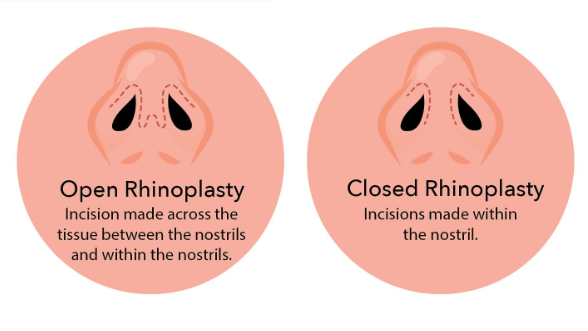
Open rhinoplasty involves a small incision on the columella (the strip between the nostrils). This allows the surgeon to lift the nasal skin and see the internal structures clearly.

Benefits of Open Rhinoplasty

  • Better visibility and precision

  • Ideal for complex reshaping

  • Stronger structural support work

  • Often preferred for revision rhinoplasty

Best For

Open rhinoplasty is commonly chosen for:

  • Major tip reshaping

  • Significant asymmetry correction

  • Revision rhinoplasty (second surgery)

  • Structural grafting needs

  • Severe crooked nose or trauma cases

The scar is usually small and becomes less noticeable over time when done properly.

Closed vs Open Rhinoplasty: Key Differences (Simple Comparison)

Incision Location

  • Closed: Inside the nostrils

  • Open: Inside + small external incision

Visibility for the Surgeon

  • Closed: Limited view

  • Open: Full view (more precision for complex cases)

Swelling & Healing

  • Closed: Often less swelling in simpler cases

  • Open: Swelling may last longer, especially at the tip

Best Use

  • Closed: Mild/moderate reshaping

  • Open: Complex reshaping, revisions, major tip work

Scar

  • Closed: No visible scar

  • Open: Tiny scar under nose (usually fades)

Which Technique Is Better for You?

The best technique depends on what you want to fix. Therefore, a personalized ENT evaluation matters.

Choose Closed Rhinoplasty If:

  • You want subtle changes

  • Your tip work is minimal

  • Your nose structure is stable

  • You prefer no external incision

Choose Open Rhinoplasty If:

  • You need tip definition or major reshaping

  • Your nose is crooked or post-trauma

  • You’re planning revision rhinoplasty

  • You need structural support (grafting)

  • You want maximum precision

At MicroCare ENT Hospital Hyderabad, we recommend the technique based on medical evaluation, not trends.

Functional Rhinoplasty: What If You Also Have Breathing Problems?

Many patients want a better-looking nose and better breathing. If you have:

  • Nasal blockage

  • Deviated septum

  • Turbinate enlargement

  • Chronic mouth breathing

  • Snoring linked to nasal obstruction

…you may need functional rhinoplasty or septorhinoplasty.

This is why choosing an experienced ENT specialist in Hyderabad is important—because ENT surgeons address both beauty and breathing.

Recovery: What to Expect After Rhinoplasty

Recovery varies between patients. Still, most people can expect:

  • Swelling and bruising (first 1–2 weeks)

  • Tip swelling may last longer (especially open rhinoplasty)

  • Avoid heavy exercise for a few weeks (as advised)

  • Final refinement continues over months

Your surgeon’s aftercare instructions play a huge role in how smoothly you heal.


How MicroCare ENT Hospital Hyderabad Helps You Decide

  • At MicroCare ENT Hospital (KPHB / Kukatpally / Jubilee Hills), your rhinoplasty consultation may include:

    • Nose examination (external + internal)

    • Breathing assessment

    • Imaging/endoscopy if needed

    • Photo-based planning

    • Clear explanation of open vs closed option

    • Customized plan focused on safety and natural results

Conclusion: Closed vs Open Rhinoplasty—The Right Choice Depends on Your Nose

So, closed vs open rhinoplasty— which is better? Closed rhinoplasty is often ideal for smaller corrections with no external scar. Open rhinoplasty offers more precision for complex reshaping and structural correction. The best decision comes from a proper ENT evaluation.

If you’re considering rhinoplasty in Hyderabad and want a safe, balanced result that supports both appearance and breathing, consult MicroCare ENT Hospital.

From MicroCare ENT Hospital to your inbox

Sign up for free and stay up to date on research advancements, health tips, current health topics, and expertise on managing health.

📞 Book Your Consultation Now

Call us: +91- 94 94 94 0725
appointments@microcareenthospitals.com
www.microcareenthospitals.com

To learn more about ent, visit our page on MicroCare ENT hospital

Watch our Related Videos

Single-Sided Deafness (SSD): Can Cochlear Implants Help?

ENT

Single-sided deafness (SSD) cochlear implant evaluation at MicroCare ENT Hospitals in Hyderabad, Telangana

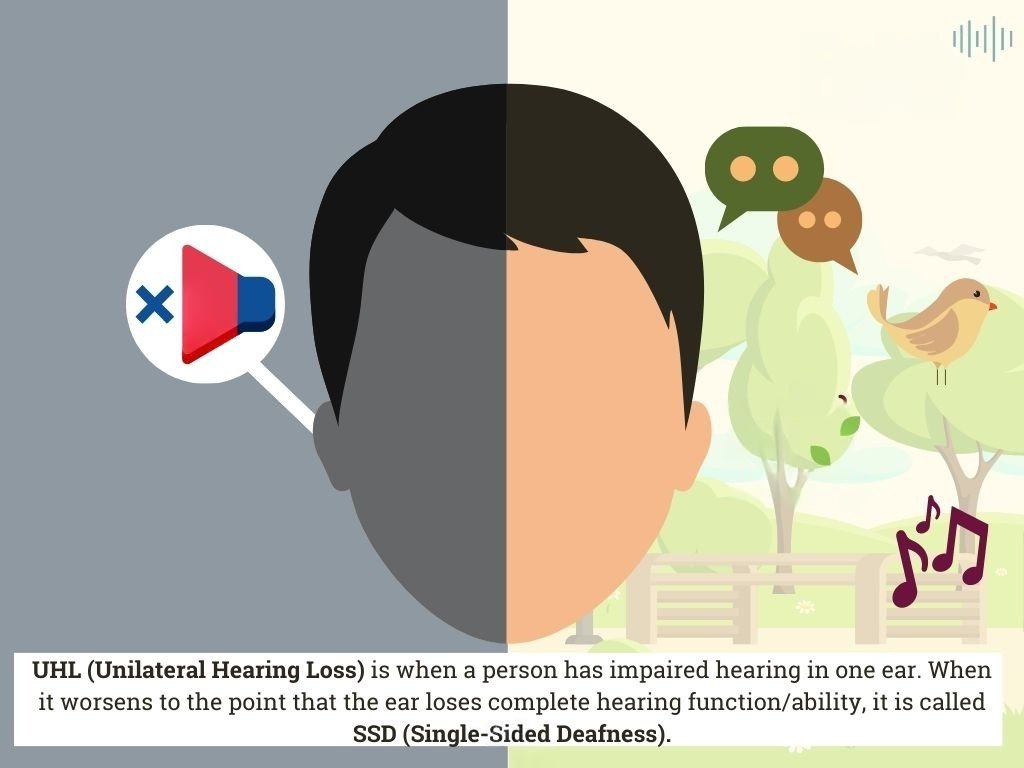
Hearing with one ear can seem “good enough” at first. However, many people with Single-Sided Deafness (SSD) struggle in noisy places, feel exhausted after conversations, and find it difficult to locate where sounds are coming from. That is why patients often search for answers like: “Can a cochlear implant help single-sided deafness?”

At MicroCare ENT Hospitals in Hyderabad, our ENT and hearing specialists evaluate SSD, identify the cause, and guide you toward the most effective hearing solution—whether that’s observation, hearing devices, or a cochlear implant for SSD.

In this blog, you’ll learn what SSD is, why it happens, how it affects daily life, and when cochlear implants can help.

Published By microcareenthospitals.com / Updated: Dec 09, 2025

Understanding Single-Sided Deafness (SSD)

Single-Sided Deafness (SSD) means you have severe-to-profound hearing loss in one ear, while the other ear has normal or near-normal hearing. Although one ear hears well, the brain loses the ability to combine sound from both sides.

As a result, SSD can cause real challenges, including:

  • Difficulty understanding speech in crowds

  • Trouble locating sound direction

  • Reduced hearing confidence in meetings

  • Increased listening fatigue

Therefore, SSD is not “minor”—it can strongly affect work, safety, and quality of life.

SSD Symptoms: How to Know You May Have Single-Sided Deafness

Common signs include:

  • Hearing “fine” in quiet rooms but struggling in noisy places

  • Frequently turning the good ear toward sound

  • Difficulty hearing people speaking from the deaf side

  • Trouble identifying where a sound is coming from (sound localization)

  • Ringing in the affected ear (tinnitus)

  • Feeling tired after long conversations

If these symptoms match you, it’s time to consult an ENT specialist in Hyderabad for a complete hearing evaluation.

What Causes Single-Sided Deafness (SSD)?

SSD can happen suddenly or gradually. The most common causes include:

Sudden Sensorineural Hearing Loss (SSNHL)

A sudden drop in hearing in one ear—often treated as an ENT emergency.

Viral Infections

Some viruses can affect the inner ear and hearing nerve.

Inner Ear Disorders

Conditions like Ménière’s disease may lead to fluctuating or progressive loss.

Acoustic Neuroma (Vestibular Schwannoma)

A benign tumor that can affect hearing and balance.

Head Injury / Trauma

Damage to inner ear structures can cause one-sided loss.

6Long-Standing Ear Disease

Chronic ear infections or middle ear damage can contribute in select cases.

Because causes vary, accurate diagnosis is essential—especially before deciding on SSD treatments.

Why SSD Can Be Risky (Even If One Ear Is Normal)

With SSD, the brain loses “two-ear advantages,” such as:

  • Binaural hearing: hearing with both ears together

  • Better speech clarity in noise

  • Sound localization: knowing where sound comes from

That is why many SSD patients feel unsafe crossing roads, riding bikes, or working in noisy environments.

Can Cochlear Implants Help Single-Sided Deafness (SSD)?

Yes—in many suitable cases, cochlear implants can help SSD by providing sound input to the deaf ear. Unlike solutions that “route sound to the good ear,” a cochlear implant aims to restore access to sound on the affected side, which can improve:

  • Speech understanding in noise (for many patients)

  • Sound awareness from the deaf side

  • Tinnitus relief in some SSD cases

  • Listening comfort and reduced fatigue

However, cochlear implants are not for everyone. Candidacy depends on hearing tests, duration of deafness, inner ear health, and patient goals.

Cochlear Implant vs Other Options for SSD

CROS Hearing Aid

Routes sound from the deaf side to the good ear. Helpful for awareness, but does not restore true two-ear hearing.

Bone Conduction Devices (BAHA/BCI)

Also routes sound vibrations to the better ear. Useful in some cases, especially when ear anatomy or middle ear issues exist.

Option 3: Cochlear Implant for SSD

Provides direct stimulation to the hearing nerve of the deaf ear, supporting more natural sound input on that side.

At MicroCare ENT Hospitals, we recommend the best solution based on testing—not assumptions.

Who Is a Good Candidate for Cochlear Implant in SSD?

You may be a candidate if:

  • One ear has severe-to-profound sensorineural hearing loss

  • The other ear has normal/near-normal hearing

  • Speech understanding is poor in the affected ear

  • SSD affects daily life, work, safety, or confidence

  • You have tried other solutions (or they did not help enough)

A detailed evaluation is the best way to confirm if a cochlear implant for SSD in Hyderabad is right for you.

What to Expect After a Cochlear Implant for SSD

  • Cochlear implants require a period of adaptation. Over time, the brain learns to interpret the new signals.

    Many patients experience gradual improvement in:

    • Sound awareness on the deaf side

    • Confidence in conversations

    • Comfort in noisy places

    • Reduced strain and listening fatigue

    Rehabilitation, mapping sessions, and follow-up are key parts of success.

Conclusion: SSD Can Be Managed—Cochlear Implants May Help the Right Patients

Single-Sided Deafness can quietly impact communication, safety, and quality of life. The good news is that modern hearing solutions—including cochlear implants for SSD—can offer meaningful improvement for many patients.

If you’re searching for Single-Sided Deafness treatment in Hyderabad, hearing loss treatment in Hyderabad, or the Best ENT Hospital in Telangana, visit MicroCare ENT Hospitals for expert SSD evaluation and personalized guidance.

From MicroCare ENT Hospital to your inbox

Sign up for free and stay up to date on research advancements, health tips, current health topics, and expertise on managing health.

📞 Book Your Consultation Now

Call us: +91- 94 94 94 0725
appointments@microcareenthospitals.com
www.microcareenthospitals.com

To learn more about ent, visit our page on MicroCare ENT hospital

Watch our Related Videos

Reclaim Your Hearing: The Cochlear Implantation Revolution

ENT

Hearing connects us to family, work, and the world around us. Yet for many people with severe to profound hearing loss, hearing aids may no longer provide enough benefit. That is where the cochlear implantation revolution is changing lives—helping children develop speech and helping adults reconnect with conversations again.

At MicroCare ENT Hospital in Hyderabad (Telangana), we provide advanced hearing loss treatment in Hyderabad, including cochlear implant evaluation, surgery, and long-term rehabilitation support. In this blog, you’ll learn what cochlear implants are, who they help, how the procedure works, and what recovery looks like.

Published By microcareenthospitals.com / Updated: Dec 08, 2025

Understanding Cochlear Implants (Simple Explanation)

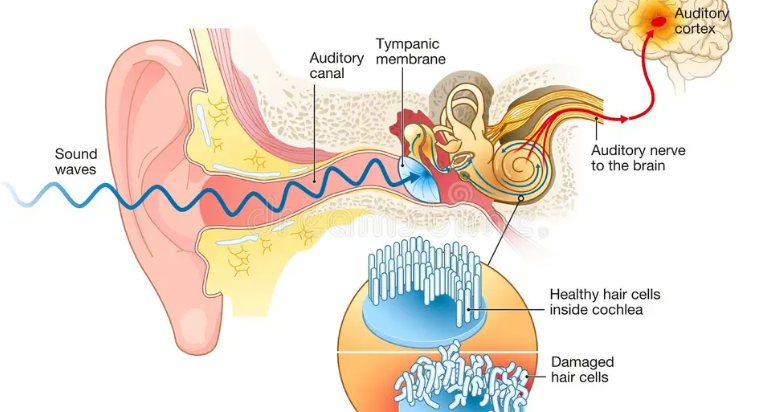
A cochlear implant is a medical device designed for people with severe or profound sensorineural hearing loss. Unlike hearing aids (which amplify sound), a cochlear implant bypasses damaged parts of the inner ear and sends sound signals directly to the hearing nerve.

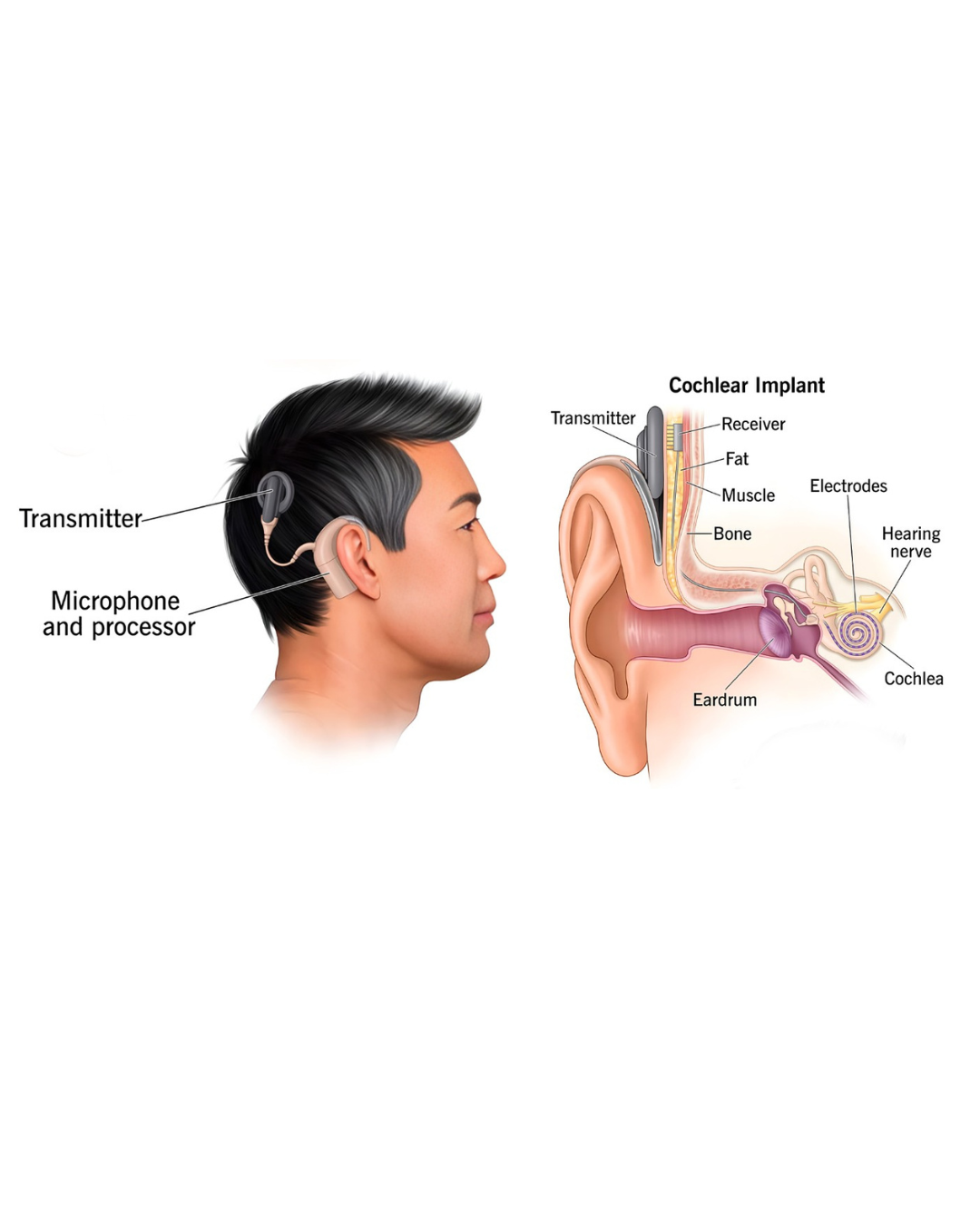
A cochlear implant has two major parts:

  • External sound processor (worn behind the ear)

  • Internal implant (placed surgically under the skin)

Together, they help the brain “hear” sound again through electrical stimulation.

Why Cochlear Implants Are a Revolution in Hearing Care

Cochlear implants have transformed hearing care because they can help patients who:

  • Cannot understand speech clearly even with hearing aids

  • Have profound hearing loss from birth or later in life

  • Struggle with daily conversations, phone calls, and social life

Most importantly, cochlear implants don’t just increase volume. Instead, they improve speech understanding, which is what many hearing aid users miss.

Who Is a Candidate for Cochlear Implant Surgery in Hyderabad?

  1. A cochlear implant may be recommended if you or your child has:

For Adults

  • Severe-to-profound hearing loss in one or both ears

  • Low benefit from hearing aids

  • Difficulty understanding speech, especially in noise

  • Social withdrawal due to hearing limitations

For Children

  • Congenital (by birth) or early-onset profound hearing loss

  • Delayed speech and language milestones

  • Limited response to hearing aids and sound

At MicroCare ENT Hospital, our ENT surgeons and audiology team conduct a thorough evaluation to confirm candidacy and set realistic goals.

Signs You Should Consider a Cochlear Implant Evaluation

You may need an evaluation at a cochlear implant hospital in Hyderabad if you notice:

  • “I can hear, but I can’t understand words clearly”

  • TV volume is always high

  • Difficulty hearing in meetings or crowded places

  • Frequent misunderstandings in conversations

  • Child not responding to name or delayed speech

  • Hearing aids no longer feel helpful

Early evaluation matters because timely intervention supports better outcomes—especially in children.

Cochlear Implant vs Hearing Aid: What’s the Difference?

Hearing Aids:

  • Amplify sounds

  • Work well for mild to moderate hearing loss

  • Depend on inner ear hair cell function

Cochlear Implants:

  • Convert sound into electrical signals

  • Designed for severe/profound inner ear damage

  • Can significantly improve speech understanding

If hearing aids are not helping enough, cochlear implants can be the next step in hearing loss treatment in Hyderabad.

The Cochlear Implant Process at MicroCare ENT Hospital Hyderabad

Hearing & Speech Assessment

We start with:

  • Detailed hearing tests (audiology evaluation)

  • Hearing aid performance check

  • Speech understanding testing

  • Medical ENT examination

Imaging & Medical Fitness

Depending on the case, evaluation may include:

  • CT/MRI imaging of the ear

  • Blood tests and anesthesia fitness

Cochlear Implant Surgery

Cochlear implantation is a structured procedure performed by an experienced ENT surgeon. The internal device is placed carefully, and most patients can return to normal routines after recovery instructions are followed.

Activation & Mapping

A few weeks after surgery, the implant is “switched on.” Then comes:

  • Cochlear implant mapping (fine-tuning sound settings)

  • Scheduled follow-ups for adjustments

Speech Therapy & Auditory Rehabilitation

This is where progress grows stronger. Rehabilitation helps the brain learn to interpret the new sound signals. For children, this is crucial for speech and language development.

Recovery and Results: What to Expect

Cochlear implants do not restore “natural hearing” instantly. However, many patients experience steady improvements with mapping and therapy.

Common improvements include:

  • Better speech understanding

  • Improved confidence and communication

  • Better learning and social interaction in children

  • Reduced listening fatigue in adults

Results depend on hearing history, therapy consistency, and early intervention—so regular follow-ups are important.

Tips to Support Better Cochlear Implant Outcomes

  • Attend mapping sessions on schedule

  • Follow speech therapy consistently

  • Practice listening daily at home

  • Reduce background noise during practice

  • In children, involve parents daily in therapy routines

  • Stay patient—progress builds over time

Conclusion: Reclaim Your Hearing with the Cochlear Implantation Revolution

The cochlear implant revolution is changing what’s possible for people living with severe hearing loss. With the right evaluation, surgery, and rehabilitation, many patients regain communication, confidence, and connection.

If you want to explore cochlear implant surgery in Hyderabad, visit MicroCare ENT Hospital, Telangana for a complete hearing evaluation and personalized guidance.

From MicroCare ENT Hospital to your inbox

Sign up for free and stay up to date on research advancements, health tips, current health topics, and expertise on managing health.

📞 Book Your Consultation Now

Call us: +91- 94 94 94 0725
appointments@microcareenthospitals.com
www.microcareenthospitals.com

To learn more about ent, visit our page on MicroCare ENT hospital

Watch our Related Videos