

Frequent Colds or Nose Block: ENT Guide

ENT

What Causes Frequent Colds or Nose Block?

Experiencing frequent colds or nose block is not always caused by a simple viral infection. Many people feel congested repeatedly because of deeper ENT issues that affect airflow, mucus drainage, or the body’s response to allergens. When these problems are ignored, the symptoms return frequently, making daily activities uncomfortable. Understanding the root causes helps you manage the condition better and prevents long-term complications.

Published By microcareenthospitals.com / Updated: OCT 12, 2025

1. Allergies: The Most Common Trigger

Allergies are one of the leading reasons for frequent colds or nose block. Dust, pollen, pets, pollution, smoke, or strong smells can irritate the nose and cause symptoms such as sneezing, watery eyes, nasal congestion, and clear mucus. People who are sensitive to allergens may experience these symptoms daily or seasonally. ENT specialists usually recommend allergy testing to find your triggers and provide long-term treatment.

2. Chronic Sinusitis

Chronic sinusitis occurs when sinus passages stay blocked for weeks or months. When mucus cannot drain well, it leads to pressure in the forehead, facial heaviness, postnasal drip, headaches, and repeated cold-like symptoms. Many patients feel like they have a cold “all the time” even when there is no infection. Treating the inflammation helps restore airflow and reduces recurring congestion.

3. Deviated Nasal Septum (DNS)

A crooked or deviated nasal septum blocks airflow on one or both sides of the nose. This leads to persistent nasal obstruction, trouble breathing at night, mouth breathing, and repeated nose block. While medications may give temporary relief, Septoplasty is often recommended for a long-term solution.

4. Enlarged Turbinates

Turbinates are structures inside the nose that warm and filter air. When they swell because of allergies, infections, or irritants, they cause constant congestion and difficulty breathing. Treatment options include nasal sprays, medications, or turbinate reduction procedures to improve airflow.

5. Low Immunity

Weak immunity makes you more prone to repeated viral infections. This results in frequent colds, sore throat, fever, and blocked nose. Improving sleep, nutrition, hydration, and vitamin intake strengthens immunity and reduces infections.

6. Pollution & Irritants

High pollution levels and exposure to irritants can inflame the nasal lining daily. Over time, this causes chronic congestion and cold-like symptoms. Wearing masks and using saline nasal rinses helps reduce irritation and protect nasal health.

🟧 Effective Treatments for Frequent Colds or Nose Block

Depending on the cause, treatment may include:

  • Anti-allergy medications

  • Nasal sprays

  • Decongestants

  • Saline rinses

  • Steam inhalation

  • Antibiotics (if infection is present)

  • Immunotherapy

  • Sinus procedures like Balloon Sinuplasty or FESS

  • Septoplasty for deviated septum

  • Turbinate reduction surgery

ENT specialists focus on treating the source, not just the symptoms.

🟦 When to Visit an ENT Specialist

You should seek medical help if:

  • Your nose block lasts longer than 10–14 days

  • You get colds every 2–3 weeks

  • You experience snoring or mouth breathing

  • You have sinus pain or facial pressure

  • Symptoms worsen at night

  • Medication gives only temporary relief

Early treatment prevents chronic sinus disease and breathing problems.

To learn more about related ENT conditions and treatments, explore our detailed guides on Sinus Treatment Causes & Remedies, Tonsils Treatment in Hyderabad, and our complete range of ENT Services offered at MicroCare ENT Hospital.

From MicroCare ENT Hospital to your inbox

Sign up for free and stay up to date on research advancements, health tips, current health topics, and expertise on managing health.

📞 Book Your Consultation Now

Call us: +91- 94 94 94 0725
appointments@microcareenthospitals.com
www.microcareenthospitals.com

To learn more about ent, visit our page on MicroCare ENT hospital

Watch our Related Videos

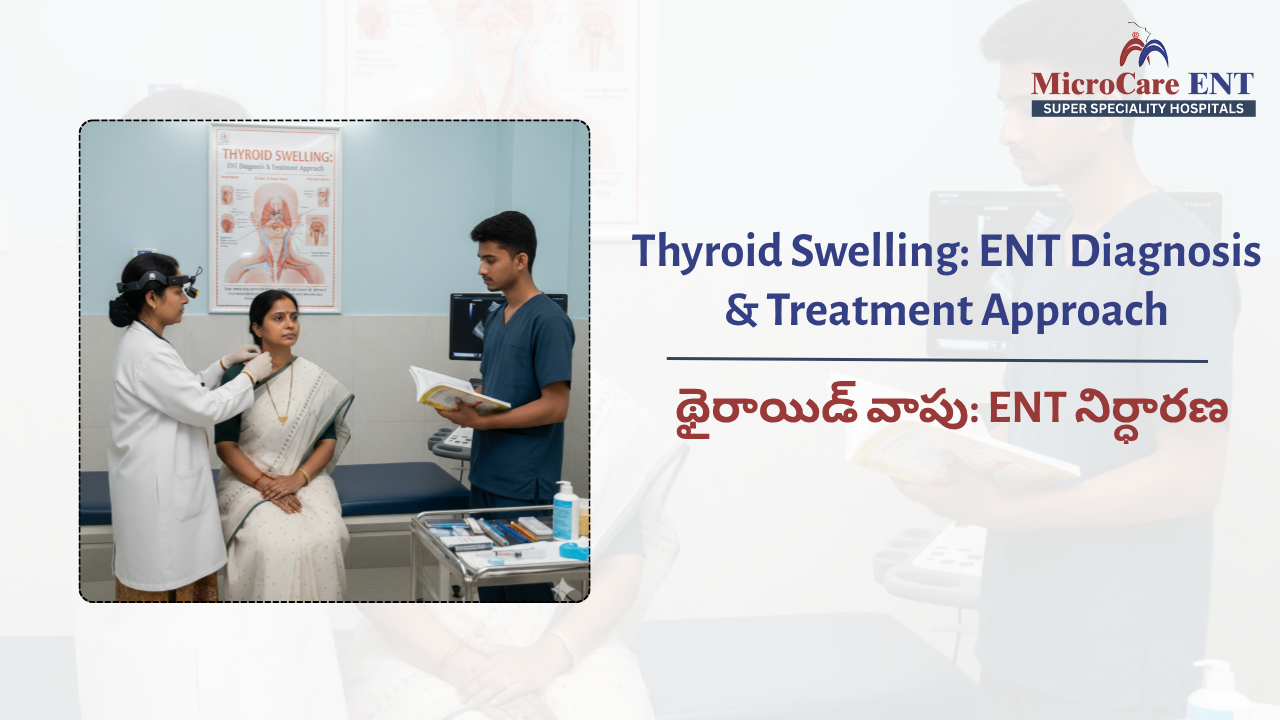
Thyroid Swelling: ENT Diagnosis & Treatment Approach

ENT

Thyroid swelling diagnosis and treatment approach at ENT clinic

What Is Thyroid Swelling?

Thyroid swelling, medically known as goitre, occurs when the thyroid gland enlarges due to hormonal imbalance, inflammation, nodules, or autoimmune reactions. Since the thyroid controls metabolism and hormone regulation, any increase in its size can lead to structural problems, cosmetic concerns, and functional thyroid disorders.

Patients often visit ENT clinics when they notice symptoms such as neck fullness, a lump while swallowing, or changes in voice. At MicroCare ENT Hospital, ENT specialists routinely evaluate and treat thyroid swelling using advanced diagnostic tools and evidence-based treatment methods.

Published By microcareenthospitals.com / Updated: OCT 11, 2025

Common Causes of Thyroid Swelling

Understanding why the thyroid enlarges is essential for proper diagnosis:

1. Iodine Deficiency

Lack of iodine remains one of the primary causes of simple goitre.

2. Thyroid Nodules

Nodules can be solid or cystic. While most are harmless, some require evaluation to rule out malignancy.

3. Autoimmune Thyroid Disorders

Conditions like Graves’ disease and Hashimoto’s thyroiditis can cause inflammation and gland enlargement.

4. Thyroiditis

Viral or bacterial infections may trigger painful swelling.

5. Thyroid Cancer

Although rare, persistent thyroid swelling must be evaluated by an ENT specialist to exclude cancer.

Symptoms That Require ENT Consultation

Thyroid swelling can produce several symptoms, depending on its size and location:

  • Noticeable lump in the neck

  • Voice changes or hoarseness

  • Difficulty swallowing

  • Breathing discomfort

  • Neck tightness

  • Fatigue, mood swings, or unexplained weight changes

  • Rapid enlargement of a neck mass

If you experience any of these symptoms, consult an ENT specialist for further evaluation.

How ENT Specialists Diagnose Thyroid Swelling

At MicroCare ENT Hospital, thyroid swelling is evaluated using a structured approach:

1. Medical History Assessment

Doctors ask about symptoms, family history, medications, and pre-existing thyroid issues.

2. Physical Examination

The ENT specialist gently examines the neck to evaluate the gland’s size, mobility, tenderness, and texture.

3. Thyroid Function Blood Tests (T3, T4, TSH)

These determine whether the thyroid is functioning normally, underactive, or overactive.

4. Neck Ultrasound

Ultrasound helps detect the presence of nodules, cysts, inflammation, and structural abnormalities.

5. FNAC (Fine Needle Aspiration Cytology)

A small needle is used to collect cells from the thyroid to determine if a nodule is benign or malignant.

6. CT/MRI Scans

Recommended if the swelling extends into the chest or compresses nearby structures.

This detailed method ensures accurate diagnosis and helps determine the most appropriate treatment plan.

Treatment Options for Thyroid Swelling

Treatment for thyroid swelling varies based on the underlying cause, severity of symptoms, and the patient’s overall health. ENT specialists evaluate hormonal status, gland size, and nodule characteristics before selecting the most effective treatment plan. Accurate diagnosis ensures targeted therapy and prevents unnecessary complications.

1. Medication

Medications are used when thyroid swelling is linked to hormone imbalance, inflammation, or autoimmune disorders. Doctors may prescribe anti-inflammatory drugs, hormone-regulating medicines, or immunomodulators based on the patient’s condition. Continuous monitoring is essential to track response and adjust dosage accordingly.

2. Iodine Supplementation

If the swelling is caused by iodine deficiency, dietary modifications and iodine supplements are recommended. Patients are encouraged to include iodine-rich foods such as dairy, seafood, and iodized salt. Proper supplementation helps reduce gland enlargement and improves thyroid function.

3. Radioactive Iodine Therapy

Radioactive iodine therapy is used mainly for hyperthyroidism or overactive thyroid nodules. It helps shrink overactive tissue and restore hormonal balance. This treatment is safe, effective, and commonly recommended when medications fail to control symptoms.

4. Minimally Invasive Procedures

Minimally invasive procedures like cyst aspiration or ethanol injection are used for benign cystic nodules. These methods reduce swelling without the need for major surgery. They offer quicker recovery, minimal discomfort, and reliable clinical outcomes.

5. Thyroid Surgery

Surgery becomes necessary when thyroid swelling affects breathing, swallowing, or shows signs of malignancy. It is also recommended for large goitres that compress nearby structures or cause cosmetic concerns. ENT surgeons at MicroCare ENT Hospital specialize in safe, precise thyroid surgery using advanced tools and modern intraoperative monitoring to ensure the best results.

Complications if Thyroid Swelling Is Ignored

Untreated thyroid swelling may lead to:

  • Breathing difficulty due to tracheal compression

  • Swallowing problems

  • Cosmetic concerns

  • Hormonal imbalance

  • Enlargement of nodules

  • Potential progression to malignancy

Early diagnosis helps prevent such complications.

Lifestyle Tips for Thyroid Health

  • Include iodine-rich foods such as seafood, dairy, and iodized salt

  • Reduce stress to stabilize thyroid hormone levels

  • Maintain a balanced diet rich in selenium and zinc

  • Avoid excessive intake of goitrogenic foods

  • Get regular thyroid check-ups, especially if you have a family history

Why Choose ENT Specialists for Thyroid Swelling?

ENT specialists have expertise in neck anatomy, voice structures, and airway management. Their specialized skills help in accurate diagnosis of thyroid issues that affect the voice box, swallowing mechanism, or breathing pathway.

MicroCare ENT Hospital offers:

  • High-resolution ultrasound

  • Advanced FNAC tools

  • Expertise in thyroid surgeries

  • Specialized ENT evaluation for voice and swallowing issues

  • Holistic care from diagnosis to recovery

To learn more about related ENT conditions and treatments, explore our detailed guides on Sinus Treatment Causes & Remedies, Tonsils Treatment in Hyderabad, and our complete range of ENT Services offered at MicroCare ENT Hospital.

From MicroCare ENT Hospital to your inbox

Sign up for free and stay up to date on research advancements, health tips, current health topics, and expertise on managing health.

📞 Book Your Consultation Now

Call us: +91- 94 94 94 0725
appointments@microcareenthospitals.com
www.microcareenthospitals.com

To learn more about ent, visit our page on MicroCare ENT hospital

Watch our Related Videos

Common Throat Infections and Treatments

ENT

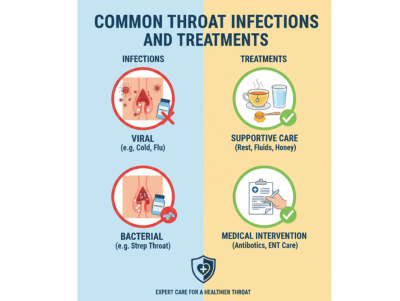
Common Throat Infections and Treatments

Common throat infections and treatments are some of the most frequent concerns in ENT care. From mild soreness to severe pain and swallowing difficulty, throat infections can affect daily comfort and speech. Early diagnosis helps prevent complications like tonsillitis, laryngitis, or chronic throat irritation.

At MicroCare ENT Hospital, ENT specialists use advanced tools to accurately detect and treat common throat infections and treatments. Personalized care, effective medication, and preventive guidance ensure long-term relief and a healthier, more comfortable throat.

Published By microcareenthospitals.com / Updated: OCT 10, 2025

📘 Understanding Throat Infections

Throat infections occur when bacteria, viruses, or irritants inflame the tissues in the pharynx, tonsils, or larynx. They are often seasonal and can spread easily through air, contact, or poor hygiene. ENT specialists focus on identifying whether the infection is bacterial (like strep throat) or viral, as each requires a different treatment approach.

Common Types of Throat Infections

  1. Tonsillitis – Red, swollen tonsils with pain while swallowing.

  2. Pharyngitis – Inflammation of the throat due to viral infection.

  3. Laryngitis – Swelling of the voice box resulting in hoarseness or temporary voice loss.

  4. Strep Throat – Bacterial infection requiring antibiotics for complete recovery.

💡 Causes of Common Throat Infections

  • Exposure to bacteria and viruses through coughing or sneezing.

  • Breathing polluted air or smoking.

  • Weak immune system or nutritional deficiencies.

  • Seasonal changes and cold air.

  • Postnasal drip caused by allergies or sinus infections.

Repeated exposure to these factors without preventive care often leads to chronic throat issues.

⚠️ Symptoms That Shouldn’t Be Ignored

  • Constant sore throat or burning sensation.

  • Difficulty swallowing or speaking.

  • Swollen lymph nodes or neck pain.

  • Hoarseness, cough, or bad breath.

  • Fever, white patches, or pus on tonsils.

If symptoms last beyond three days, consulting an ENT expert is highly recommended.

🔍 How ENT Specialists Diagnose Throat Infections

Diagnosis begins with a physical examination and a patient’s medical history. ENT doctors may use:

  • Endoscopic Examination – To visualize throat inflammation.

  • Throat Swab or Culture Tests – To detect bacterial infections.

  • Blood Tests – To identify infection severity or immune response.

  • Allergy Testing – For patients with chronic throat irritation.

These diagnostic tools help tailor common throat infections and treatments based on the exact cause.

💊 Treatment Options

1. Medications

  • Antibiotics: For bacterial infections like strep throat.

  • Antivirals: For viral infections causing tonsillitis or pharyngitis.

  • Pain Relievers: To reduce discomfort and fever.

  • Cough Syrups or Sprays: For temporary relief and lubrication.

2. Surgical Solutions

When throat infections become recurrent, surgery might be needed:

  • Tonsillectomy: Removes infected tonsils.

  • Adenoidectomy: Removes enlarged adenoids to improve breathing.

3. Supportive Care

  • Stay hydrated and rest your voice.

  • Inhale steam or use a humidifier.

  • Gargle with warm saline water.

  • Avoid spicy or acidic foods.

🌿 Prevention and Long-Term Care

  • Maintain oral hygiene to prevent bacterial buildup.

  • Avoid smoking and secondhand smoke.

  • Eat fruits and vegetables rich in vitamin C and antioxidants.

  • Use a mask in dusty or polluted environments.

  • Visit your ENT doctor for regular check-ups, especially if infections repeat.

By adopting healthy habits and early intervention, you can reduce the frequency and intensity of common throat infections and treatments become far more effective.

🩺 Conclusion

Common throat infections and treatments are part of everyday healthcare, but neglecting them can lead to chronic problems. With accurate diagnosis, expert ENT care, and preventive habits, patients can recover quickly and maintain lasting throat health. Early medical attention ensures comfort, better speech, and long-term wellness.

To learn more about related ENT conditions and treatments, explore our detailed guides on Sinus Treatment Causes & Remedies, Tonsils Treatment in Hyderabad, and our complete range of ENT Services offered at MicroCare ENT Hospital.

From MicroCare ENT Hospital to your inbox

Sign up for free and stay up to date on research advancements, health tips, current health topics, and expertise on managing health.

📞 Book Your Consultation Now

Call us: +91- 94 94 94 0725
appointments@microcareenthospitals.com
www.microcareenthospitals.com

To learn more about ent, visit our page on MicroCare ENT hospital

Watch our Related Videos

Sleep Apnea and Snoring: Why Snoring Shouldn’t Be Ignored

ENT

Sleep apnea and snoring treatment illustration showing airway blockage during sleep

Sleep apnea and Snoring

Sleep apnea and snoring are more than just nighttime disturbances—they can signal deeper health concerns. Snoring happens when airflow through the mouth or nose becomes partially blocked, causing vibrations in the throat. Sleep apnea, on the other hand, occurs when breathing repeatedly stops and starts during sleep, leading to oxygen deprivation and poor rest. If ignored, these conditions can increase the risk of high blood pressure, heart problems, and daytime fatigue.

Getting timely medical help from an experienced ENT specialist ensures accurate diagnosis and personalized treatment to improve your quality of life and overall well-being.


Published By microcareenthospitals.com / Updated: OCT 08, 2025

Understanding the Connection Between Snoring and Sleep Apnea

Snoring and sleep apnea are closely related. While snoring can occur independently, it is often a key symptom of obstructive sleep apnea (OSA). In OSA, the airway becomes temporarily blocked, reducing airflow and forcing the body to wake briefly to resume breathing. This repeated disruption can occur dozens or even hundreds of times per night, preventing deep, restorative sleep.

Common Causes of Sleep Apnea and Snoring

Several factors contribute to these sleep issues, including:

  • Nasal Blockage: Chronic sinusitis or a deviated septum restricts airflow.

  • Throat Anatomy: Enlarged tonsils or adenoids narrow the airway.

  • Obesity: Excess neck tissue can compress the airway.

  • Lifestyle Factors: Alcohol, sedatives, and smoking relax throat muscles.

  • Age and Gender: Middle-aged men are more prone, though women are also affected post-menopause.

An ENT specialist can evaluate these factors using nasal endoscopy, imaging, or sleep studies to identify the root cause.

Warning Signs You Shouldn’t Ignore

Recognizing symptoms early can prevent long-term complications. Common signs of sleep apnea and snoring include:

  • Loud, consistent snoring

  • Gasping, choking, or pauses in breathing during sleep

  • Excessive daytime sleepiness or lack of focus

  • Morning headaches and sore throat

  • Restless sleep or frequent awakenings

  • Mood changes, irritability, or depression

If you or your partner notice these symptoms, schedule a consultation promptly for a detailed evaluation.

Health Risks of Untreated Sleep Apnea

Ignoring sleep apnea and snoring can seriously affect overall health. Over time, repeated oxygen drops during sleep strain the heart and brain, leading to:

  • High blood pressure and cardiovascular disease

  • Stroke or heart attack risk

  • Type 2 diabetes

  • Memory loss and poor cognitive performance

  • Chronic fatigue and reduced productivity

Proper diagnosis and treatment not only improve sleep but also protect long-term health and vitality.

Diagnosis: How ENT Specialists Identify Sleep Apnea

A thorough ENT evaluation is crucial. Diagnosis often includes:

  1. Physical Examination: Checking nasal passages, tonsils, and throat structure.

  2. Sleep Study (Polysomnography): Measures breathing, oxygen levels, and sleep stages.

  3. Imaging Tests: CT or MRI scans to assess nasal or throat blockages.

  4. Endoscopic Evaluation: Detects anatomical abnormalities causing airway obstruction.

These advanced tools help doctors customize treatment based on the underlying cause.

Treatment Options for Sleep Apnea and Snoring

Treatment depends on the severity of symptoms and underlying conditions:

1. Lifestyle Modifications

  • Maintain a healthy weight.

  • Sleep on your side instead of your back.

  • Avoid alcohol and sedatives before bedtime.

  • Quit smoking to reduce airway inflammation.

2. Medical Devices

  • CPAP Therapy: A continuous positive airway pressure device keeps airways open during sleep.

  • Oral Appliances: Custom-made devices reposition the jaw and tongue to improve airflow.

3. Surgical Treatments

When anatomical issues cause obstruction, ENT specialists may recommend:

  • Septoplasty: Corrects a deviated septum for better nasal airflow.

  • Turbinate Reduction: Reduces enlarged nasal tissues.

  • Tonsillectomy or Adenoidectomy: Removes enlarged tonsils/adenoids causing blockage.

  • Palatal Surgery: Tightens soft palate muscles to minimize vibration and snoring.

These procedures offer long-term relief, restoring restful sleep and healthier breathing.

Preventive Measures for Long-Term Relief

Even after treatment, maintaining healthy habits is vital:

  • Follow a regular sleep schedule.

  • Keep your bedroom air clean and humidified.

  • Exercise regularly to strengthen breathing muscles.

  • Manage allergies to reduce nasal congestion.

  • Schedule annual ENT check-ups for early detection.

When to See an ENT Specialist

Consult an ENT expert if snoring becomes frequent, loud, or associated with breathing pauses. Early medical attention helps prevent complications and ensures tailored treatment for sustainable recovery.

Conclusion

Sleep apnea and snoring are warning signs that shouldn’t be ignored. Timely diagnosis and ENT treatment can prevent severe complications and improve sleep quality, focus, and overall health. With modern diagnostic tools and minimally invasive solutions, better sleep and better health are just one consultation away.

To learn more about related ENT conditions and treatments, explore our detailed guides on Sinus Treatment Causes & Remedies, Tonsils Treatment in Hyderabad, and our complete range of ENT Services offered at MicroCare ENT Hospital.

From MicroCare ENT Hospital to your inbox

Sign up for free and stay up to date on research advancements, health tips, current health topics, and expertise on managing health.

📞 Book Your Consultation Now

Call us: +91- 94 94 94 0725
appointments@microcareenthospitals.com
www.microcareenthospitals.com

To learn more about ent, visit our page on MicroCare ENT hospital

Watch our Related Videos

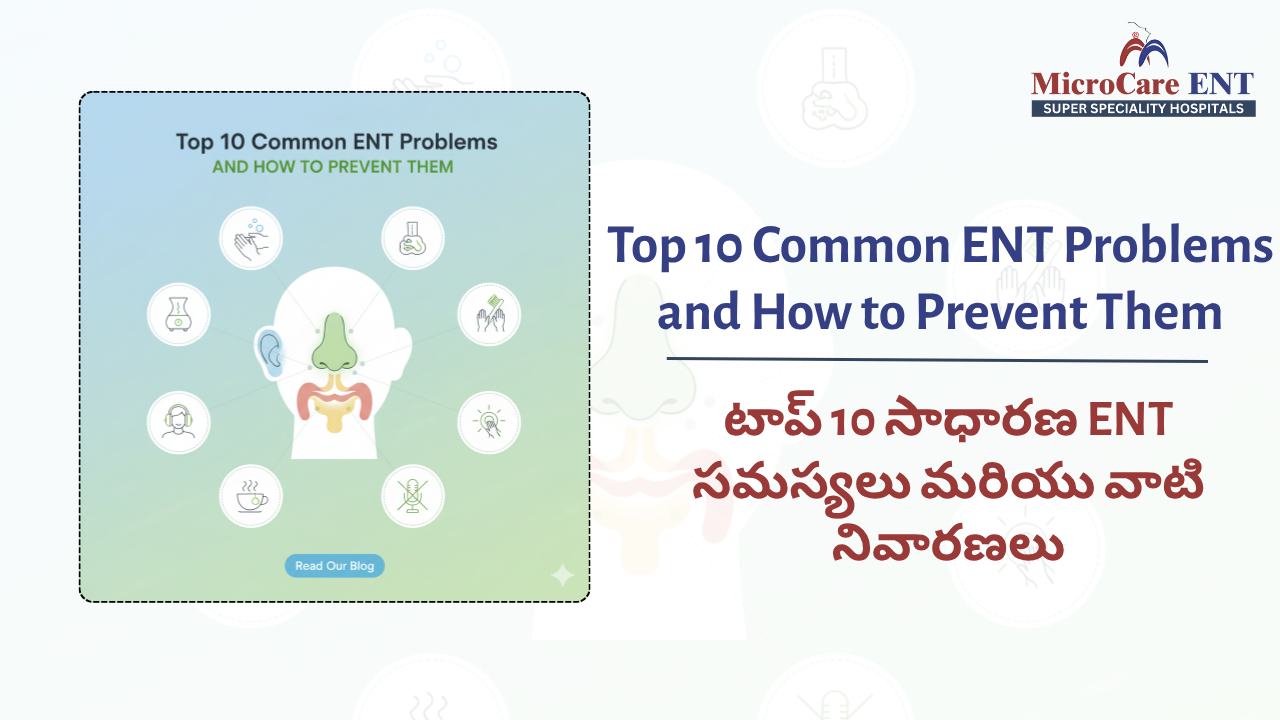
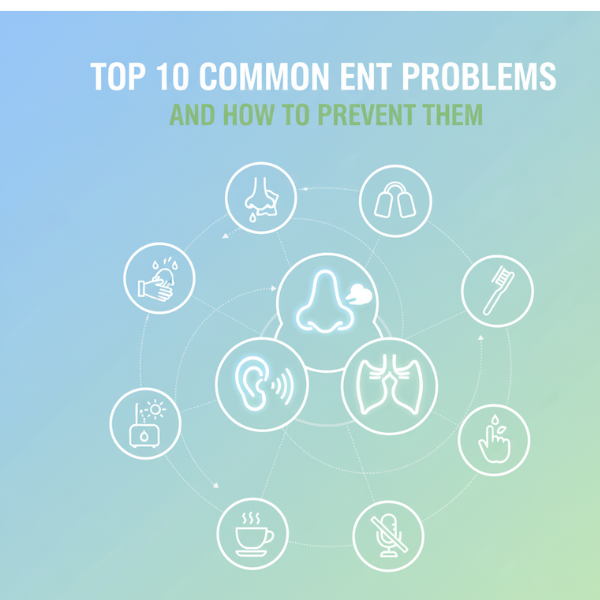
Common ENT Problems and Prevention – Top 10 Issues and How to Avoid Them

ENT

Common ENT Problems and Prevention

Your ears, nose, and throat are all connected — and when one of them develops an issue, it often affects the others. At Microcare ENT Hospital, we see many patients suffering from conditions that can be easily prevented with proper care. Understanding common ENT problems and prevention methods helps protect your hearing, breathing, and voice health in the long run.

From sinus infections to hearing loss and allergies, let’s explore the top ENT conditions, their causes, and how you can keep them under control.

Published By microcareenthospitals.com / Updated: OCT 07, 2025

👂 1️⃣ Ear Infections

Ear infections are one of the most common ENT issues, especially in children. They occur when bacteria or viruses enter the middle ear, causing inflammation and fluid buildup.

Prevention Tips:

  • Keep ears dry after bathing or swimming.

  • Avoid inserting objects like cotton buds.

  • Treat colds promptly to prevent ear blockage.

🤧 2️⃣ Sinusitis (Sinus Infections)

Sinusitis occurs when sinus cavities become inflamed due to infections, allergies, or structural issues like a deviated septum.

Prevention Tips:

  • Stay hydrated and use a humidifier.

  • Manage allergies with medication.

  • Avoid polluted air and cigarette smoke.

👃 3️⃣ Nasal Allergies (Allergic Rhinitis)

Allergies are among the top ENT complaints. Pollen, dust, or pet dander can trigger sneezing, congestion, and a runny nose.

Prevention Tips:

  • Keep windows closed during pollen season.

  • Use an air purifier at home.

  • Consult an ENT specialist for allergy management.

🦻 4️⃣ Hearing Loss

Hearing loss can be caused by aging, noise exposure, infections, or earwax buildup. Many cases are preventable or treatable with early intervention.

Prevention Tips:

  • Avoid loud noises or use ear protection.

  • Clean ears safely with guidance from an ENT doctor.

  • Get hearing checked regularly.

🗣️ 5️⃣ Throat Infections

Sore throats, tonsillitis, and pharyngitis are common ENT problems often caused by bacterial or viral infections.

Prevention Tips:

  • Drink plenty of warm fluids.

  • Avoid sharing utensils.

  • Maintain good oral hygiene.

💤 6️⃣ Snoring and Sleep Apnea

Snoring may seem harmless but can indicate a serious condition called sleep apnea, which affects breathing during sleep.

Prevention Tips:

  • Maintain a healthy weight.

  • Sleep on your side.

  • Avoid alcohol before bedtime.

  • Visit an ENT specialist for snoring evaluation.

💨 7️⃣ Deviated Nasal Septum

A deviated septum causes nasal obstruction and breathing difficulty. It can be congenital or caused by injury.

Prevention Tips:

  • Avoid nasal trauma.

  • Consult an ENT if chronic congestion persists.

  • Consider septoplasty if breathing problems worsen.

🧏 8️⃣ Earwax Buildup

While earwax protects the ear, excessive accumulation can lead to hearing problems and discomfort.

Prevention Tips:

  • Don’t use sharp objects or earbuds.

  • Use mild ear drops if recommended.

  • Visit an ENT doctor for safe cleaning.

🧠 9️⃣ Voice Disorders

Voice strain, hoarseness, or vocal cord nodules can occur due to overuse or infections.

Prevention Tips:

  • Avoid shouting or whispering excessively.

  • Stay hydrated.

  • Rest your voice if strained.

  • Seek professional voice therapy if needed.

🖼️ Image suggestion:

💬 🔟 Head and Neck Cancers

Persistent throat pain, difficulty swallowing, or unexplained voice changes may indicate early stages of cancer.

Prevention Tips:

  • Avoid tobacco and alcohol.

  • Get regular ENT checkups.

  • Treat chronic throat infections promptly.

To learn more about related ENT conditions and treatments, explore our detailed guides on Sinus Treatment Causes & Remedies, Tonsils Treatment in Hyderabad, and our complete range of ENT Services offered at MicroCare ENT Hospital.

From MicroCare ENT Hospital to your inbox

Sign up for free and stay up to date on research advancements, health tips, current health topics, and expertise on managing health.

📞 Book Your Consultation Now

Call us: +91- 94 94 94 0725
appointments@microcareenthospitals.com
www.microcareenthospitals.com

To learn more about ent, visit our page on MicroCare ENT hospital

Watch our Related Videos

Why Regular Ear Cleaning Is Important – Safe Practices You Should Know

ENT

Regular Ear Cleaning and Safe Practices

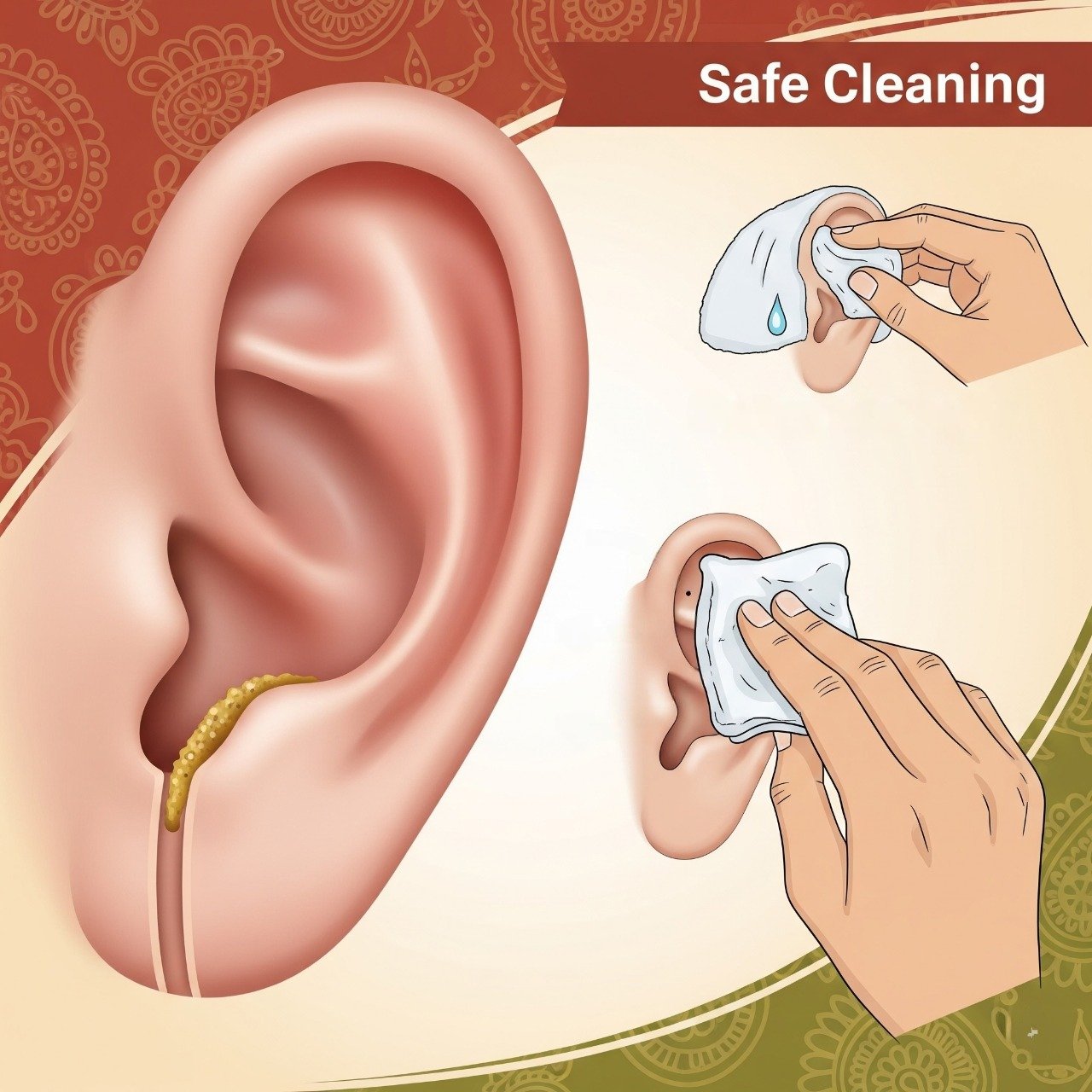
At Microcare ENT Hospital, we emphasize the importance of regular ear cleaning and safe practices to maintain healthy hearing. Earwax (cerumen) is natural and protective, but excessive buildup can lead to discomfort, reduced hearing, and even infections.

Unfortunately, many people use unsafe tools like cotton buds or pins, which can damage the ear canal or eardrum. Understanding the right cleaning techniques and when to seek professional help is essential for long-term ear health.

Published By microcareenthospitals.com / Updated: OCT 06, 2025

👂 Why Ear Cleaning Is Important

Earwax plays a crucial role in protecting the ears by trapping dust, bacteria, and debris. However, too much wax can cause:

  • Blocked ear canals

  • Temporary hearing loss

  • Itching or pain

  • Ringing sounds (tinnitus)

  • Dizziness or imbalance

Proper regular ear cleaning and safe practices help keep the ears clear and healthy, ensuring optimal hearing function and comfort.

⚠️ Dangers of Improper Ear Cleaning

Many people unknowingly harm their ears by inserting objects that push wax deeper or injure the delicate eardrum.
Avoid these common mistakes:

  1. Using Cotton Buds or Pins – They push wax inside rather than removing it.

  2. Inserting Ear Candles – Ineffective and risky, may cause burns.

  3. Frequent Cleaning – Over-cleaning can dry out and irritate the ear canal.

  4. Ignoring Persistent Symptoms – Pain, discharge, or hearing loss needs medical attention.

💧 Safe Methods for Regular Ear Cleaning

The safest approach is to let your ears clean themselves — the ear canal naturally expels wax. But if you notice blockage or discomfort, use these safe practices:

1️⃣ Warm Water Rinse

During a shower, gently allow warm water to run into your ears, then tilt your head to let it drain out naturally.

2️⃣ Over-the-Counter Ear Drops

Use ear drops with hydrogen peroxide or saline solution to soften wax. Always follow instructions and avoid overuse.

3️⃣ Professional Cleaning

Visit an ENT specialist for micro-suction or irrigation. At Microcare ENT Hospital, our experts use safe, sterile techniques to remove wax without harming the eardrum.

4️⃣ Avoid DIY Tools

Never insert foreign objects into your ear. What feels like cleaning often makes matters worse.

🧬 When to Visit an ENT Specialist

Seek professional help if you experience:

  • Ear pain or fullness

  • Persistent hearing loss

  • Fluid discharge or foul odor

  • Buzzing or ringing in ears

  • Dizziness or vertigo

At Microcare ENT Hospital, our ENT experts use advanced diagnostic tools to safely assess and treat all ear-related issues, ensuring long-term comfort and hearing clarity.

🌱 Tips for Maintaining Ear Hygiene

Follow these expert-recommended ear care tips to prevent wax buildup:

  • Clean outer ear gently with a soft towel.

  • Avoid inserting anything into the ear canal.

  • Use earplugs in dusty or noisy environments.

  • Dry ears properly after swimming or bathing.

  • Schedule routine ENT checkups.

🏥 Why Choose Microcare ENT Hospital for Ear Care

At Microcare ENT Hospital, we specialize in ear care and hearing restoration. Our experts perform earwax removal, infection treatment, and hearing assessments using advanced ENT technology.

Why Patients Trust Us:

  • Experienced ENT specialists

  • Safe, non-invasive ear cleaning

  • Accurate hearing tests and diagnosis

  • Modern facilities in Hyderabad

🩺 Conclusion

Your ears are self-cleaning, but sometimes professional care is necessary. Practicing regular ear cleaning and safe practices prevents ear infections, hearing issues, and discomfort.

If you’re experiencing pain, blockage, or hearing loss, visit Microcare ENT Hospital for expert ear cleaning and care.
Healthy ears mean better hearing — and a better quality of life.

To learn more about related ENT conditions and treatments, explore our detailed guides on Sinus Treatment Causes & Remedies, Tonsils Treatment in Hyderabad, and our complete range of ENT Services offered at MicroCare ENT Hospital.

From MicroCare ENT Hospital to your inbox

Sign up for free and stay up to date on research advancements, health tips, current health topics, and expertise on managing health.

📞 Book Your Consultation Now

Call us: +91- 94 94 94 0725
appointments@microcareenthospitals.com
www.microcareenthospitals.com

To learn more about ent, visit our page on MicroCare ENT hospital

Watch our Related Videos

The Importance of Speech and Hearing Therapy for Child Development

ENT

Importance of Speech and Hearing Therapy for Child Development

At Microcare ENT Hospital, we believe that early intervention plays a crucial role in shaping a child’s communication and cognitive skills. Child development through speech and hearing therapy is an essential step for children struggling with delayed speech, unclear pronunciation, or hearing problems.

By addressing these challenges early, children can build stronger communication skills, improve social confidence, and achieve success in learning and relationships.

Published By microcareenthospitals.com / Updated: OCT 05, 2025

👶 Why Speech and Hearing Therapy Matters in Child Development

The ability to listen, understand, and communicate forms the foundation for a child’s growth. Speech and hearing therapy supports child development by improving listening comprehension, sound recognition, pronunciation, and emotional expression.

Without timely intervention, hearing or speech delays can affect a child’s academic performance and social behavior.

The vocal cords (also called vocal folds) are two flexible bands of muscle tissue located in the larynx. When you breathe, they open to allow air passage, and when you speak or sing, they come together and vibrate to create sound.

These vibrations produce your unique voice tone, which is shaped by the mouth, tongue, and lips. Proper vocal cord health and voice care keeps these tissues flexible and well-lubricated, allowing effortless speech and singing.

🗣️ How Hearing Impacts Learning and Communication

Hearing problems in children often go unnoticed during early years. Mild hearing loss can make it hard to distinguish words, follow instructions, or develop correct speech sounds. Over time, this can lead to frustration and learning delays.

That’s why child development through speech and hearing therapy focuses on improving both listening and speaking abilities through expert guidance and interactive exercises.

💬 Signs Your Child Might Need Speech or Hearing Therapy

Parents should watch for these early indicators:

  • Limited vocabulary for age

  • Difficulty forming sentences

  • Mispronouncing words frequently

  • Not responding when called

  • Trouble following directions

  • Speaking too loudly or softly

  • Poor interaction or frustration while communicating

If your child shows these signs, it’s time to consult an ENT specialist or a speech-language pathologist at Microcare ENT Hospital.

🎓 How Speech and Hearing Therapy Helps Children

At Microcare ENT Hospital, our therapy programs combine medical expertise and child-friendly exercises to support overall growth. Here’s how speech and hearing therapy promotes child development:

1️⃣ Improves Pronunciation and Clarity

Therapists use repetition and sound practice to teach children how to form clear words and phrases.

2️⃣ Enhances Listening Skills

Through guided listening activities, children learn to identify and differentiate sounds, boosting auditory processing.

3️⃣ Boosts Academic Confidence

With improved communication, children perform better in school and express themselves confidently.

4️⃣ Encourages Emotional and Social Growth

Therapy improves interaction skills, helping children connect with peers and build positive self-esteem.

5️⃣ Develops Strong Cognitive Skills

Hearing and speech are directly linked to brain development; therapy strengthens memory, attention, and learning.

🎶 Special Voice Therapy and Treatment Options

1️⃣ Voice Therapy

Speech-language pathologists guide you through exercises to strengthen your voice and improve control.

2️⃣ Medical Management

Treatment of underlying causes like acid reflux, allergies, or infections can restore healthy vocal function.

3️⃣ Surgical Options

For nodules or cysts that don’t respond to therapy, minimally invasive voice surgery may be performed at Microcare ENT Hospital.

👩‍⚕️ Speech and Hearing Therapy at Microcare ENT Hospital

At Microcare ENT Hospital, our multidisciplinary approach ensures children receive complete care. Our team includes ENT specialists, audiologists, and certified speech-language pathologists.

Our Services Include:

  • Diagnostic Audiometry for early hearing assessment

  • Speech Evaluation Tests for speech and language clarity

  • Therapy for Stammering and Pronunciation

  • Auditory-Verbal Therapy for children with hearing aids or cochlear implants

  • Parent Training and Home Practice Guidance

🌱 Benefits of Early Intervention

The earlier therapy begins, the greater the progress. Early speech and hearing therapy can:

  • Prevent permanent speech delays

  • Support academic performance

  • Improve emotional balance

  • Build lasting self-confidence

  • Enhance parent-child bonding

👨‍👩‍👧 Parents’ Role in Supporting Speech and Hearing Development

Parents are the first teachers in a child’s journey to clear communication. At home, parents can:

  • Encourage reading and singing

  • Maintain regular conversations

  • Limit screen time

  • Model correct pronunciation

  • Follow therapist-recommended exercises

🏥 Why Choose Microcare ENT Hospital for Child Speech and Hearing Therapy

  • Expert ENT doctors, audiologists, and therapists under one roof

  • Modern diagnostic facilities and therapy tools

  • Personalized treatment plans for every child

  • Child-friendly environment and caring staff

  • Proven results in improving speech, hearing, and learning

💬 Conclusion

Every child deserves the ability to express, learn, and connect. Child development through speech and hearing therapy helps children overcome challenges and unlock their true potential.

At Microcare ENT Hospital, we are dedicated to providing advanced care that nurtures every child’s voice and listening abilities for a brighter, more confident future.

To learn more about related ENT conditions and treatments, explore our detailed guides on Sinus Treatment Causes & Remedies, Tonsils Treatment in Hyderabad, and our complete range of ENT Services offered at MicroCare ENT Hospital.

From MicroCare ENT Hospital to your inbox

Sign up for free and stay up to date on research advancements, health tips, current health topics, and expertise on managing health.

📞 Book Your Consultation Now

Call us: +91- 94 94 94 0725
appointments@microcareenthospitals.com
www.microcareenthospitals.com

To learn more about ent, visit our page on MicroCare ENT hospital

Watch our Related Videos

Voice Health 101: How to Keep Your Vocal Cords Healthy and Strong

ENT

Medical illustration showing vocal cord health and voice care at Microcare ENT Hospital, with a person learning to maintain clear and healthy vocal cords.

Vocal Cord Health and Voice Care

At Microcare ENT Hospital, we understand how vital your voice is — it’s your identity, your confidence, and your connection to the world. Whether you’re a teacher, singer, speaker, or simply someone who uses their voice daily, maintaining proper vocal cord health and voice care is essential.

Your vocal cords are delicate muscles located within your larynx (voice box) that vibrate to produce sound. Overuse, infections, or improper habits can strain these muscles, leading to hoarseness, pain, or even voice loss. Learning how to protect and strengthen your voice can prevent long-term damage and ensure it stays clear and strong.

Published By microcareenthospitals.com / Updated: OCT 04, 2025

🗣️ Understanding Your Vocal Cords

The vocal cords (also called vocal folds) are two flexible bands of muscle tissue located in the larynx. When you breathe, they open to allow air passage, and when you speak or sing, they come together and vibrate to create sound.

These vibrations produce your unique voice tone, which is shaped by the mouth, tongue, and lips. Proper vocal cord health and voice care keeps these tissues flexible and well-lubricated, allowing effortless speech and singing.

⚠️ Common Problems That Affect Vocal Cord Health

Ignoring vocal strain or poor hygiene can lead to serious issues that impact your speech. Some common problems include:

  1. Laryngitis: Inflammation caused by overuse, infections, or acid reflux.

  2. Vocal Nodules or Polyps: Small growths from repetitive strain or shouting.

  3. Hoarseness: A rough, weak, or breathy voice tone caused by irritation.

  4. Voice Fatigue: Loss of vocal strength after prolonged talking or singing.

  5. Vocal Cord Paralysis: Nerve damage that affects vibration and sound quality.

💬 How to Maintain Healthy Vocal Cords

Here are scientifically backed tips from ENT specialists at Microcare ENT Hospital to promote vocal cord health and voice care.

1️⃣ Stay Hydrated

Drink at least 8–10 glasses of water daily. Hydration keeps the mucous membranes moist, preventing friction and irritation during speech.

2️⃣ Warm Up Before Speaking or Singing

Just like athletes stretch before exercise, your vocal cords need warm-up exercises. Simple humming or lip trills can prepare your voice for long speaking sessions.

3️⃣ Avoid Throat Clearing

Constantly clearing your throat can irritate the vocal cords. Instead, sip water or swallow gently.

4️⃣ Limit Caffeine and Alcohol

Both caffeine and alcohol dehydrate your throat and affect mucous production. Opt for water or herbal tea instead.

5️⃣ Avoid Smoking and Pollutants

Tobacco smoke and pollution inflame the vocal cords and can lead to chronic laryngitis or even cancer.

6️⃣ Rest Your Voice

After long speaking or singing sessions, give your voice rest. Avoid whispering — it can strain the cords even more.

7️⃣ Use a Humidifier

A humid environment keeps your throat comfortable, especially in air-conditioned or dry climates.

👩‍⚕️ When to See an ENT Specialist

If you notice persistent hoarseness, throat pain, or changes in your voice lasting more than two weeks, it’s time to consult a professional.
At Microcare ENT Hospital, our experts use advanced diagnostic tools like laryngoscopy and stroboscopy to visualize the vocal cords and determine the root cause of your symptoms.

Early detection ensures that any problem can be treated effectively through medication, therapy, or minor surgical procedures if necessary.

🎶 Special Voice Therapy and Treatment Options

1️⃣ Voice Therapy

Speech-language pathologists guide you through exercises to strengthen your voice and improve control.

2️⃣ Medical Management

Treatment of underlying causes like acid reflux, allergies, or infections can restore healthy vocal function.

3️⃣ Surgical Options

For nodules or cysts that don’t respond to therapy, minimally invasive voice surgery may be performed at Microcare ENT Hospital.

🌱 Daily Habits for Lifelong Voice Health

  • Maintain good posture while speaking.

  • Breathe deeply and use your diaphragm.

  • Avoid shouting or speaking loudly for extended periods.

  • Rest your voice if you’re unwell.

  • Include fruits rich in Vitamin C for throat immunity.

  • Schedule regular ENT check-ups.

🏥 Why Choose Microcare ENT Hospital for Voice and Throat Care

At Microcare ENT Hospital, we specialize in diagnosing and treating voice-related disorders with precision. Our state-of-the-art voice lab and experienced ENT surgeons ensure every patient receives tailored care. Whether you are a professional voice user or dealing with chronic hoarseness, we offer the right blend of medical expertise and compassionate support.

🩺 Conclusion

Your voice is an invaluable asset that deserves proper attention and care. Following simple yet effective steps for vocal cord health and voice care can help you preserve your natural tone and prevent long-term damage.

At Microcare ENT Hospital, we’re committed to protecting your voice through expert diagnosis, personalized therapy, and advanced medical treatments.

Take care of your voice — it’s the sound of your confidence.

To learn more about related ENT conditions and treatments, explore our detailed guides on Sinus Treatment Causes & Remedies, Tonsils Treatment in Hyderabad, and our complete range of ENT Services offered at MicroCare ENT Hospital.

From MicroCare ENT Hospital to your inbox

Sign up for free and stay up to date on research advancements, health tips, current health topics, and expertise on managing health.

📞 Book Your Consultation Now

Call us: +91- 94 94 94 0725
appointments@microcareenthospitals.com
www.microcareenthospitals.com

To learn more about ent, visit our page on MicroCare ENT hospital

Watch our Related Videos

How the Ear Works: Understanding Your Hearing System Step by Step

ENT

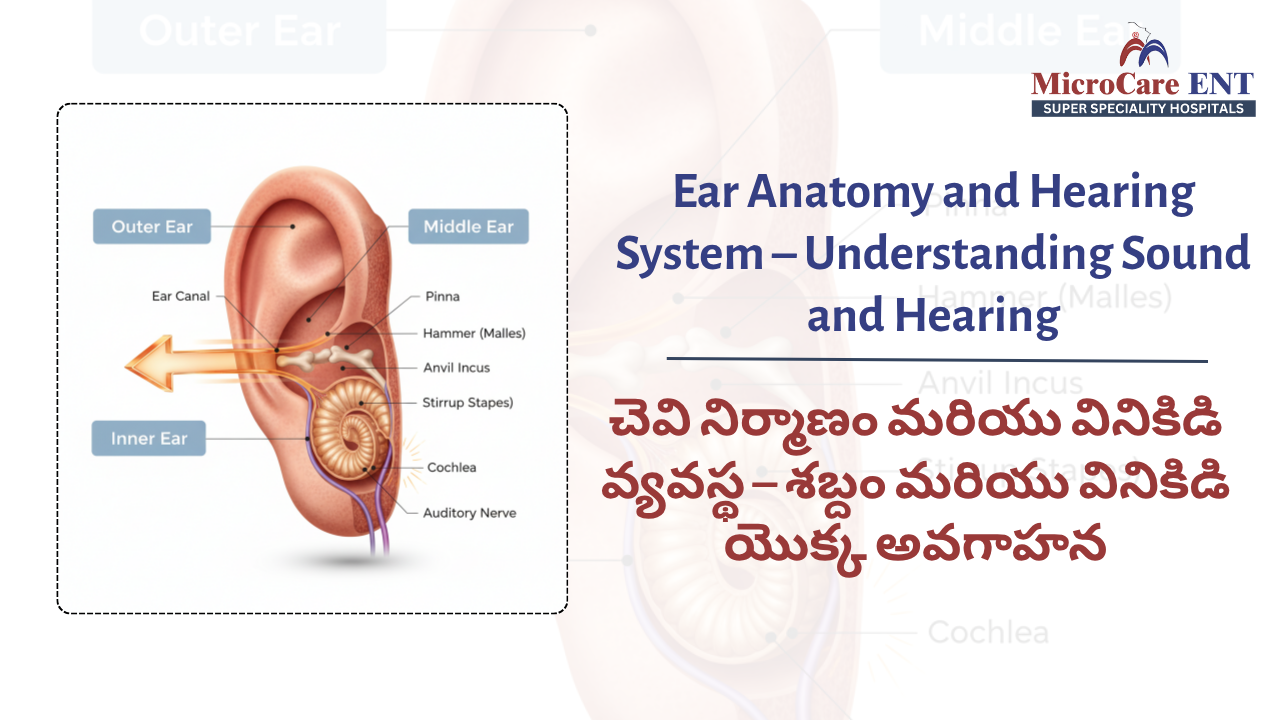
Diagram of the ear anatomy and hearing system showing outer, middle, and inner ear with sound waves traveling to the brain for clear hearing.

Ear Anatomy and Hearing System

At Microcare ENT Hospital, we believe understanding your ear anatomy and hearing system helps protect one of your most vital senses — hearing. The human ear is an extraordinary organ designed to capture sound waves, convert them into electrical signals, and transmit them to the brain. This intricate process allows us to enjoy music, engage in conversation, and stay alert to our surroundings.

By exploring how the ear works, you can better recognize early signs of hearing loss and take proactive steps to maintain lifelong hearing health.

Published By microcareenthospitals.com / Updated: OCT 03, 2025

👂 The Three Main Parts of the Ear

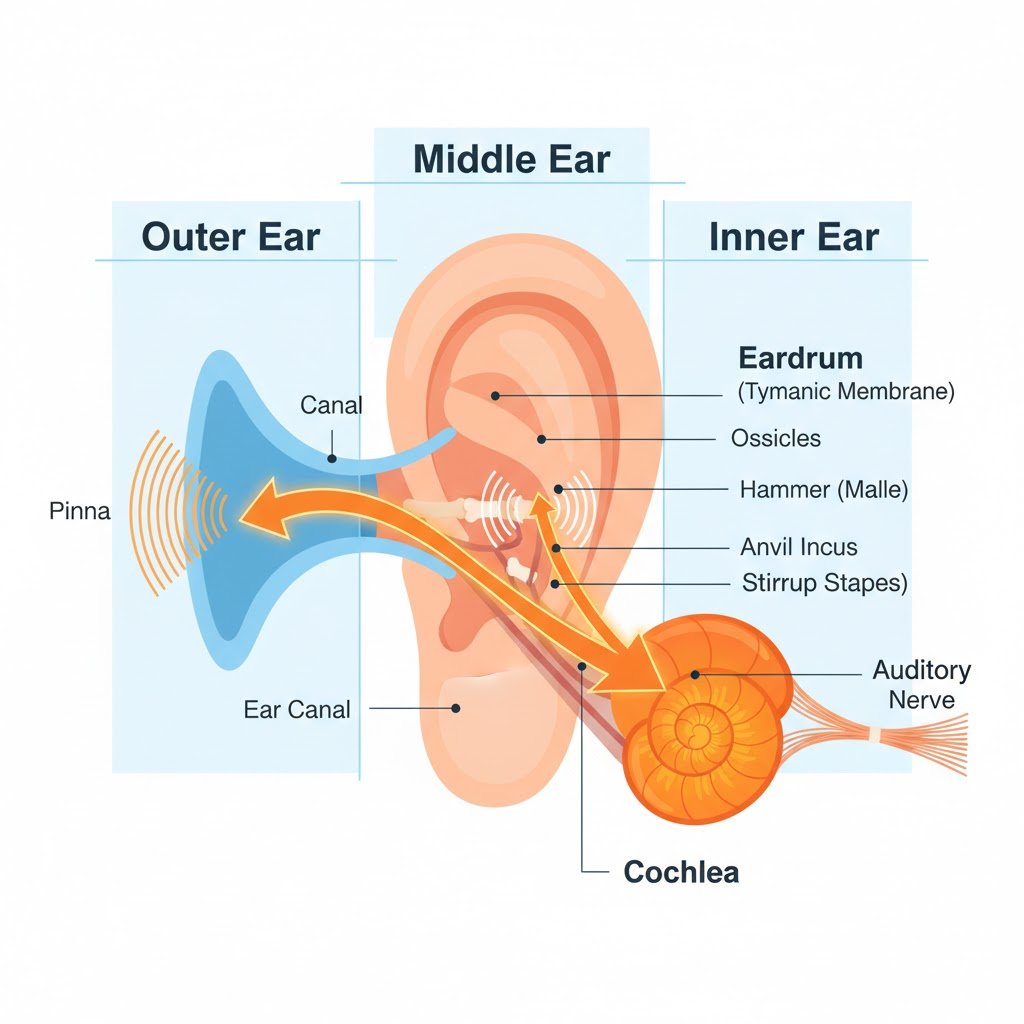
Your ear anatomy and hearing system can be divided into three main parts: the outer ear, middle ear, and inner ear. Each section plays a crucial role in the hearing process.

1️⃣ Outer Ear

The outer ear includes the pinna (auricle) and the ear canal. Its main function is to collect sound waves and channel them inward. The shape of the pinna helps identify the direction of sound

2️⃣ Middle Ear

Sound waves enter the middle ear and strike the eardrum (tympanic membrane), causing it to vibrate. These vibrations move through three tiny bones — the malleus (hammer), incus (anvil), and stapes (stirrup). This chain of bones amplifies the sound and sends it to the inner ear

3️⃣ Inner Ear

The inner ear contains the cochlea, a spiral-shaped organ filled with fluid and sensory hair cells. When sound vibrations reach the cochlea, the fluid moves, triggering nerve impulses that travel through the auditory nerve to the brain.


🔊 Step-by-Step: How Hearing Works

Let’s break down the hearing process in simple terms:

  1. Sound waves are captured by the outer ear.

  2. Vibrations pass through the eardrum and middle ear bones.

  3. The inner ear converts these vibrations into electrical impulses.

  4. The brain interprets these impulses as recognizable sounds.

It’s an elegant, automatic system that works seamlessly — until something disrupts it, such as infection, wax buildup, or nerve damage.


⚠️ Common Ear Problems That Affect Hearing

Even minor issues can interfere with your ear anatomy and hearing system. Common conditions include:

  • Earwax Blockage: Excess wax can prevent sound from reaching the eardrum.

  • Ear Infections: Fluid buildup and infection can cause temporary or chronic hearing loss.

  • Eardrum Perforation: A tear in the eardrum affects vibration transmission.

  • Age-Related Hearing Loss: Gradual inner ear damage due to aging.

  • Noise-Induced Hearing Loss: Prolonged exposure to loud sounds damages hair cells in the cochlea.

🧬 How ENTs Diagnose Hearing Issues

At Microcare ENT Hospital, our specialists use advanced diagnostic tests to evaluate your ear anatomy and hearing system accurately.

Diagnostic Tools Include:

  • Otoscopy: Visual inspection of the ear canal and eardrum.

  • Pure-Tone Audiometry: Measures hearing ability across different frequencies.

  • Tympanometry: Tests middle ear pressure and eardrum movement.

  • Otoacoustic Emissions (OAE): Checks cochlear hair cell function.

These tests help identify hearing problems early and guide effective treatment.

💡 Tips for Protecting Your Hearing System

Maintaining ear health is essential for preserving your hearing abilities. Here are some expert-recommended tips:

  • Avoid loud music or prolonged use of earphones.

  • Clean your ears safely — never insert sharp objects.

  • Use earplugs in noisy environments.

  • Treat ear infections promptly.

  • Get regular hearing check-ups at Microcare ENT Hospital.

🏥 Why Choose Microcare ENT Hospital for Ear Care

At Microcare ENT Hospital, we combine advanced technology with compassionate care. Our ENT specialists are trained in diagnosing and treating all forms of ear and hearing disorders. Whether it’s ear infections, tinnitus, or hearing loss, we provide safe and effective solutions.

Our facility in Hyderabad is equipped with state-of-the-art diagnostic tools, ensuring accuracy and comfort during every hearing test.

🩺 Conclusion

Your ears are intricate instruments that deserve proper attention. By understanding the ear anatomy and hearing system, you can better appreciate how sound connects us to the world.

At Microcare ENT Hospital, our specialists are committed to helping you protect your hearing and treat any ear-related issues with precision and care.

Listen to life again — protect your hearing today.

To learn more about related ENT conditions and treatments, explore our detailed guides on Sinus Treatment Causes & Remedies, Tonsils Treatment in Hyderabad, and our complete range of ENT Services offered at MicroCare ENT Hospital.

From MicroCare ENT Hospital to your inbox

Sign up for free and stay up to date on research advancements, health tips, current health topics, and expertise on managing health.

📞 Book Your Consultation Now

Call us: +91- 94 94 94 0725
appointments@microcareenthospitals.com
www.microcareenthospitals.com

To learn more about ent, visit our page on MicroCare ENT hospital

Watch our Related Videos

Hearing Loss: Early Signs, Causes, and Modern Treatment Options

ENT

Hearing loss treatment in Hyderabad – patient receiving ear examination at Microcare ENT Hospital

Causes, Symptoms, and Solutions

Hearing loss treatment in Hyderabad has advanced remarkably in recent years. With new diagnostic tools and minimally invasive procedures, patients now recover faster and regain clear hearing sooner. Hearing loss is not just a health issue — it can impact communication, confidence, and emotional well-being.
At Microcare ENT Hospital Hyderabad, our expert ENT specialists provide safe, effective, and personalized care to help you hear the world again. Therefore, early diagnosis and treatment are crucial for the best outcomes.

Published By microcareenthospitals.com / Updated: OCT 31, 2025

👂 Understanding Hearing Loss

Hearing loss happens when the ear cannot transmit sound signals properly to the brain. Moreover, it can be mild, moderate, or severe, depending on the extent of damage. This condition affects people of all age groups, but early treatment can often prevent permanent hearing issues.

Types of Hearing Loss

  1. Conductive Hearing Loss: Occurs when sound waves cannot pass through the outer or middle ear.

  2. Sensorineural Hearing Loss: Results from damage to the inner ear or auditory nerve.

  3. Mixed Hearing Loss: Involves a combination of both types.

Consequently, identifying the cause and type of hearing loss helps determine the best treatment approach.

⚠️ Causes of Hearing Loss

There are several reasons people experience hearing loss. These include:

  • Chronic ear infections or untreated middle ear fluid

  • Exposure to loud noises (workplaces, music)

  • Aging and nerve damage

  • Wax buildup or ear blockage

  • Ruptured eardrum due to trauma or infection

  • Genetic or congenital conditions

In addition, certain medications or head injuries can also lead to hearing impairment.

💡 Symptoms of Hearing Loss

Early symptoms are often subtle but progressive. Some common signs include:

  • Difficulty following conversations, especially in crowded places

  • Frequently increasing TV or phone volume

  • Ringing, buzzing, or hissing sounds in the ear (tinnitus)

  • Asking others to repeat themselves

  • Feeling that people are mumbling

As a result, many individuals delay seeking help until communication becomes difficult. However, timely diagnosis ensures quicker recovery and better hearing outcomes.

🩺 Modern Hearing Loss Treatment in Hyderabad

At Microcare ENT Hospital Hyderabad, patients receive a full spectrum of modern treatments tailored to their specific condition. Additionally, our specialists focus on comfort, precision, and long-term effectiveness.

1. Diagnosis and Evaluation

  • Audiometry Tests – Measure hearing ability at different sound frequencies.

  • Tympanometry – Evaluates eardrum movement and middle ear health.

  • Otoacoustic Emissions (OAE) – Detects inner ear response, often used for newborn screening.

2. Medical Treatments

  • Antibiotics or antifungal medications for infections

  • Wax removal and ear cleaning under microscopic guidance

  • Anti-allergy and decongestant therapy for Eustachian tube blockage

3. Surgical Options

  • Tympanoplasty – Repairs damaged or perforated eardrums.

  • Stapedectomy – Replaces the middle ear bone to restore sound transmission.

  • Cochlear Implants – Restores hearing for severe or total hearing loss.

4. Hearing Devices

  • Digital hearing aids with noise-cancellation technology

  • Bone-anchored devices for patients with structural ear issues

Furthermore, each treatment is customized to match the severity and type of hearing loss for optimal recovery.

💬 Post-Treatment Hearing Care

Proper aftercare ensures long-lasting results. To maintain ear health:

  • Avoid loud music and noisy environments.

  • Keep your ears clean and dry.

  • Never insert sharp objects or earbuds into the ear canal.

  • Attend regular ENT follow-up appointments.

  • Use hearing aids as instructed by your doctor.

Meanwhile, adopting a healthy lifestyle and protecting your ears from loud sounds can significantly reduce the risk of future problems.

🌟 Why Choose Microcare ENT Hospital Hyderabad

Unlike general clinics, Microcare ENT Hospital provides specialized, comprehensive ear care. The team includes experienced ENT surgeons and audiologists who use the latest laser and endoscopic technology. Moreover, our hospital’s patient-focused approach ensures accurate diagnosis, painless procedures, and faster recovery times.

🧠 Conclusion

Hearing loss may seem daunting, but modern treatments make it completely manageable. At Microcare ENT Hospital Hyderabad, our ENT experts specialize in restoring hearing through precision surgery, advanced testing, and compassionate care. Therefore, if you experience any early signs of hearing loss, don’t delay — consult our specialists today. With expert hearing loss treatment in Hyderabad, you can enjoy the joy of sound again.

To learn more about related ENT conditions and treatments, explore our detailed guides on Sinus Treatment Causes & Remedies, Tonsils Treatment in Hyderabad, and our complete range of ENT Services offered at MicroCare ENT Hospital.

From MicroCare ENT Hospital to your inbox

Sign up for free and stay up to date on research advancements, health tips, current health topics, and expertise on managing health.

📞 Book Your Consultation Now

Call us: +91- 94 94 94 0725
appointments@microcareenthospitals.com
www.microcareenthospitals.com

To learn more about ent, visit our page on MicroCare ENT hospital

Watch our Related Videos